Sleep Apnea Treatment in Great Neck, NY | Personalized Plans

Sleep experts create personalized sleep plans, including sleep apnea treatment in Great Neck, by first understanding that every patient has unique sleep challenges requiring tailored solutions. The process begins with a comprehensive evaluation where specialists listen to your concerns, review your medical history, and identify the specific factors affecting your sleep quality. Through diagnostic testing and careful analysis, our team develops treatment strategies that address the root causes of your sleep difficulties rather than just masking symptoms.
When you visit a sleep center in Great Neck, NY, the journey toward better sleep starts with understanding your specific situation. Sleep specialists recognize that conditions like obstructive sleep apnea, insomnia, restless legs syndrome, and other disorders manifest differently in each person, which means a one-size-fits-all approach simply does not work. The personalized approach considers your lifestyle, work schedule, underlying health conditions, and personal preferences to create a plan you can sustain long-term.
The Initial Consultation Process
The first step in creating your personalized sleep plan involves an in-depth consultation with a sleep medicine specialist. During this appointment, the provider will ask detailed questions about your sleep patterns, daytime symptoms, and medical history. According to the Mayo Clinic, sleep specialists listen to your concerns and help create a plan to meet your needs, which may include having your bed partner share information about symptoms like snoring or breathing pauses.
Your provider conducts a physical examination and may ask you to keep a sleep diary for several weeks. This diary records information about your daily activities, caffeine and alcohol consumption, medication use, and how you sleep each night. The combination of your reported experiences, medical history, and physical exam findings helps the specialist identify potential causes of your sleep problems.
For residents of Great Neck and the surrounding Long Island area, climate considerations also play a role in sleep planning. The humid summers and cold winters can affect sleep quality, so specialists may discuss environmental adjustments as part of your personalized plan. Understanding local factors helps create more practical recommendations you can implement in your daily life.
Diagnostic Testing and Evaluation
If the initial consultation suggests a sleep disorder, your specialist may recommend diagnostic testing. Polysomnography, commonly known as a sleep study, records brain waves, oxygen levels, heart rate, breathing, and eye and leg movements while you sleep, according to the Cleveland Clinic. This comprehensive test takes place in a sleep center where technicians monitor you throughout the night.
The Cleveland Clinic notes that a sleep study can diagnose conditions including sleep apnea, narcolepsy, periodic limb movement disorder, insomnia, certain types of seizures, night terrors, sleepwalking, and other parasomnias. This wide range of diagnostic capability allows specialists to identify exactly what is disrupting your sleep before recommending treatment.
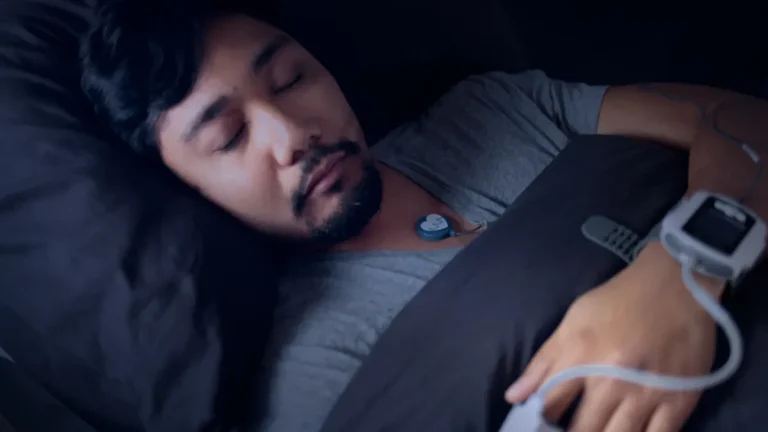
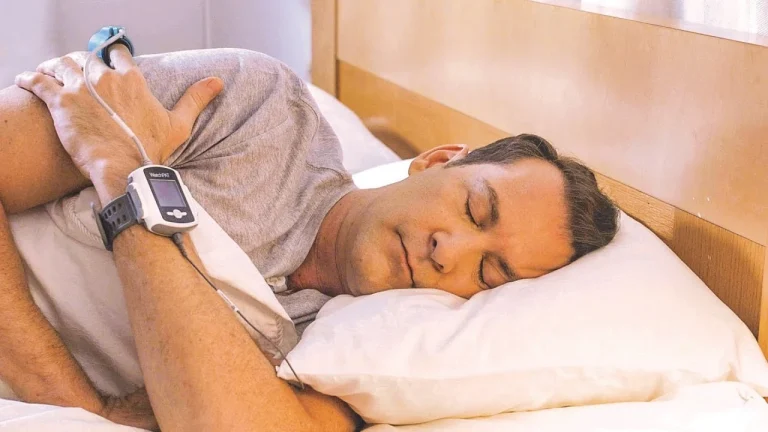
Some patients may qualify for a home sleep apnea test instead of an in-lab study. The American Academy of Sleep Medicine explains that home sleep apnea tests allow you to sleep in your own home while a small monitor collects data. However, a follow-up appointment should always follow the test to discuss results and determine the best treatment path.
Sleep Study Types Comparison
| Study Type | Setting | What It Measures | Best For |
|---|---|---|---|
| In-lab Polysomnography (PSG) | Sleep center or hospital | Brain waves, heart rate, breathing, oxygen levels, eye/leg movements | Complex sleep disorders, suspected narcolepsy, and inconclusive home tests |
| Home Sleep Apnea Test (HSAT) | Your home | Breathing rate, airflow, oxygen levels, heart rate | High probability of sleep apnea, uncomplicated cases |
| Split Night Study | Sleep center | Diagnostic data first, then PAP titration | Moderate to severe sleep apnea diagnosed early in the night |
| Multiple Sleep Latency Test (MSLT) | Sleep center | Daytime sleepiness, time to fall asleep | Suspected narcolepsy, hypersomnia disorders |
| Maintenance of Wakefulness Test (MWT) | Sleep center | Ability to stay awake during the day | Evaluating treatment effectiveness, safety concerns |
Developing Your Treatment Plan
Once diagnostic testing provides clear information about your sleep patterns, your specialist develops a personalized treatment plan. The Mayo Clinic explains that treatment depends on the type of sleep disorder you have and how much your symptoms affect your daily life. Treatment options may include lifestyle changes, cognitive behavioral therapy, medical devices, medication, or combinations of these approaches.
For obstructive sleep apnea, continuous positive airway pressure (CPAP) therapy remains the standard treatment. A CPAP machine provides airflow through a mask worn over your face or nose, holding your airway open during sleep. Some patients who cannot tolerate standard CPAP may benefit from bilevel positive airway pressure (BPAP) or oral appliances that reposition the jaw to keep airways open, with CPAP follow-up appointments helping guide ongoing adjustments.
Cognitive behavioral therapy for insomnia (CBT-I) helps patients identify and change thoughts and behaviors that interfere with sleep. This approach includes creating consistent sleep schedules, developing relaxation techniques, and addressing anxiety about sleep. Research published through the PMC shows that personalized sleep medicine leverages individual characteristics and advanced technologies for improved diagnosis and treatment outcomes.
Things to Consider Before Making a Decision
Before committing to any sleep treatment plan, consider the following factors that will influence your success:
Your daily schedule and commitments matter significantly. CPAP therapy requires consistent nightly use, which means evaluating whether you travel frequently, work irregular hours, or have lifestyle factors that might interfere with treatment adherence. Some patients find that oral appliances or positional therapy offer more flexibility for their specific circumstances.
The severity and type of your sleep disorder determine which treatments will be most effective. Not all patients with sleep apnea qualify for oral appliances, and some may need combination therapy. Understanding your diagnosis thoroughly helps you make informed decisions about treatment options.
Insurance coverage and out-of-pocket costs vary depending on your plan and the recommended treatment. CPAP equipment, follow-up visits, and potential surgical interventions all carry different financial implications. Ask your provider about coverage details and any available financial assistance programs.
Your willingness and ability to make lifestyle changes affect treatment success. Weight loss, reducing alcohol consumption, improving sleep hygiene, and regular exercise can significantly impact sleep disorder outcomes. Consider whether you are prepared to make these changes alongside any medical treatment.
Common Treatment Approaches in Detail
Lifestyle modifications form the foundation of many personalized sleep plans. These changes include losing weight if needed, following consistent sleep schedules, getting regular physical activity, cutting back on caffeine and alcohol near bedtime, and avoiding recreational drugs, according to the Mayo Clinic. These adjustments often complement medical treatments and can improve overall sleep quality.
For patients with sleep apnea, treatment decisions may involve evaluating whether surgery or nerve stimulation therapy could help. The Mayo Clinic notes that upper airway nerve stimulation therapy represents a newer surgical option for obstructive sleep apnea. The Inspire system uses a small device placed under the skin on the upper chest, which sends pulses to the nerve under the tongue to keep the airway open during sleep.
Medication management plays a role in certain sleep disorders. Your specialist may recommend prescription medications for conditions like narcolepsy, restless legs syndrome, or chronic insomnia. However, medication typically works best as part of a comprehensive plan that includes behavioral strategies and lifestyle modifications.
Regional Considerations for Great Neck Residents
Great Neck residents face unique sleep challenges influenced by the local environment and lifestyle patterns. The proximity to New York City often means irregular work schedules, commuting stress, and demanding careers that can disrupt natural sleep patterns. Sleep specialists in the area understand these pressures and factor them into treatment recommendations.
Seasonal variations in Long Island affect sleep quality for many residents. The hot, humid summers can interfere with comfortable sleep, making environmental modifications an important part of treatment plans. Similarly, the cold winter months may lead to reduced physical activity and increased depression symptoms that impact sleep. Your specialist may recommend specific strategies for managing these seasonal challenges.
The availability of specialized sleep centers in the Great Neck area allows patients to access comprehensive diagnostic testing without traveling far. This convenience encourages follow-up visits and ongoing monitoring, which are essential for treatment success. Many local facilities also offer telemedicine options for follow-up consultations, making it easier to maintain contact with your sleep team.
Follow-up and Treatment Adjustments
Creating your personalized sleep plan is not a one-time event but an ongoing process. Your specialist schedules follow-up appointments to evaluate how well the treatment is working and make necessary adjustments. Some patients need pressure adjustments on their CPAP machine, while others may need to try different medication doses or explore alternative therapies.
The Cleveland Clinic notes that treatment effectiveness monitoring often involves additional testing, such as actigraphy. This small device, usually worn on the wrist for several days to weeks, measures arm and leg movement during sleep and provides information about sleep-wake cycles over time. This data helps your provider determine whether your treatment is achieving the desired results.
Long-term success with sleep treatment requires patience and commitment. Many patients experience initial challenges adjusting to CPAP machines or behavioral changes recommended by their specialists. Regular communication with your sleep team helps address these obstacles before they lead to treatment abandonment.
Bonus Tips Based on Practical Experience
Keep your sleep environment consistent regardless of travel or schedule changes. Bringing your own pillow and maintaining similar bedroom conditions helps your body recognize sleep cues even when away from home.
Track your symptoms and treatment response using a simple journal or phone app. Recording energy levels, mood changes, and any problems with your treatment provides valuable information for your follow-up appointments.
Build a support system by connecting with others who have similar sleep conditions. Online communities and local support groups offer practical advice and emotional encouragement that can make treatment feel less isolating.
Taking the Next Steps Toward Better Sleep
Understanding how sleep experts create personalized sleep plans helps you approach your own sleep health with confidence. The process involves careful evaluation, precise diagnostic testing, and collaborative treatment planning that considers your unique circumstances. Whether you struggle with sleep apnea, insomnia, or another sleep disorder, personalized care addresses your specific needs rather than applying generic solutions.
The key to successful treatment lies in active participation and open communication with your sleep team. Share concerns promptly, report changes in symptoms, and ask questions whenever something remains unclear. Your engagement directly influences the effectiveness of your personalized sleep plan.
Making the decision to pursue a sleep evaluation represents a significant step toward improving your overall health and quality of life. Untreated sleep disorders can lead to serious complications, including cardiovascular problems, diabetes, depression, and impaired cognitive function. Addressing these issues early helps prevent long-term health consequences.
Connect With Sleep Specialists
If you are experiencing sleep problems and live in the Great Neck area, reaching out to a qualified sleep center is your next step. Vector Sleep Diagnostic Center offers comprehensive sleep evaluation and personalized treatment planning for various sleep disorders. Contact vectorsleep@gmail.com or call +1 718-830-2800 to schedule a consultation with our experienced sleep specialists. Our team works with each patient to develop individualized plans that fit their lifestyle, address their specific condition, and support long-term sleep health.
Frequently Asked Questions
How long does it take to see results from a personalized sleep plan?
Most patients notice improvements within a few weeks of starting treatment, though full adjustment to therapies like CPAP may take several months. Your specialist will schedule regular check-ins to monitor your progress and address any concerns.
Will my insurance cover sleep study and treatment costs?
Many insurance plans cover diagnostic sleep studies and common treatments like CPAP therapy. Coverage varies by plan, so contact your insurance provider to understand your specific benefits before scheduling tests.
Can I have a sleep study if I work night shifts?
Yes, sleep centers can schedule studies during your normal sleeping hours, whether that means nighttime or daytime. Discuss your work schedule with your specialist so they can arrange testing at the appropriate time.
What happens if my sleep study shows no disorder?
If testing reveals no sleep disorder, your specialist may investigate other potential causes of your symptoms, such as medication side effects, anxiety, or other medical conditions. The diagnostic process still provides valuable information for guiding next steps.
How often do I need follow-up appointments after starting treatment?
Initial follow-up typically occurs within a few weeks of starting treatment, then every few months during the first year. Once your condition stabilizes, annual check-ups may be sufficient, though you should contact your provider if symptoms change.
Sources
- Mayo Clinic – Sleep Disorders Diagnosis and Treatment – Comprehensive overview of diagnostic methods and treatment options for sleep disorders from a leading medical institution
- Sleep Education – Screening Algorithm – Detailed information on sleep study types, screening procedures, and OSA symptoms from the American Academy of Sleep Medicine
- Cleveland Clinic – Sleep Study (Polysomnography) – Detailed explanation of sleep study procedures, preparation, and what patients can expect during testing