
Dr. Dmitriy V. Kolesnik, MD | Sleep Specialist NYC
Explore the sleep medicine expertise of Dr. Dmitriy Kolesnik MD, a leading specialist in the field. Learn more about Dr. Kolesnik’s credentials and services.
Explore the sleep medicine expertise of Dr. Dmitriy Kolesnik MD, a leading specialist in the field. Learn more about Dr. Kolesnik’s credentials and services.

A hospital sleep lab and an independent sleep diagnostic center record the same overnight test. Here is how scheduling, comfort, results and follow-up differ, and what to ask before you book.

How to tell if a sleep center is accredited: what AASM accreditation means, why it is granted service by service, and how to check any center for free.
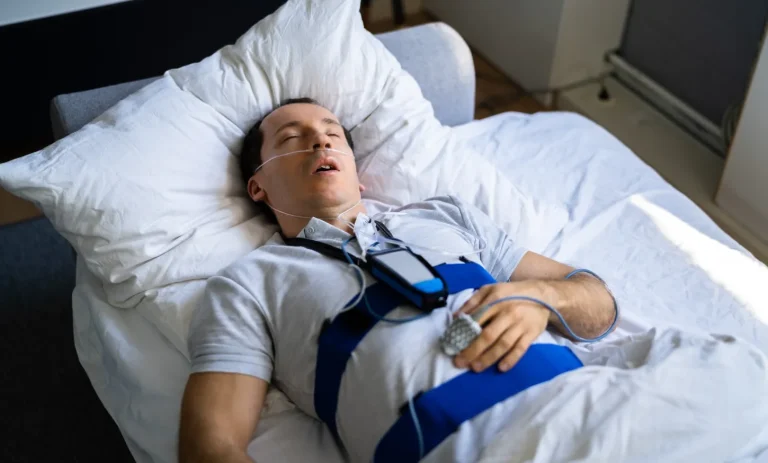
What a home sleep apnea test costs without insurance, why prices vary, when an in-lab study is the better test, and what to ask before you pay, from Vector Sleep Diagnostic Center in Rego Park, Queens.

Questions to ask before your first sleep specialist consultation: symptoms, sleep testing, results, insurance, and timing, from Vector Sleep Diagnostic Center in Rego Park, Queens.

When is the best time of year to schedule a sleep study? How seasons, daylight, holidays, travel and your own symptoms affect timing, from Vector Sleep Diagnostic Center in Rego Park, Queens.

If you have been told you might have sleep apnea or another sleep disorder, you have probably noticed there is more than one sleep clinic to choose from in Queens. That is a good problem to have, but it can also be confusing. Not every clinic works the same way, and the choice you make…
If you have been tossing and turning, waking up gasping, or dragging through your days on no real rest, a sleep study is often the next step your doctor recommends. But before you book anything, you are probably asking the practical question: will insurance actually pay for this? It is a fair question, and the…

Narcolepsy is a chronic neurological sleep disorder that affects how the brain regulates the sleep-wake cycle. People living with narcolepsy often experience overwhelming daytime sleepiness, sudden episodes of muscle weakness, and disrupted nighttime sleep, even after a full night in bed. For New Yorkers juggling long commutes, demanding jobs, and a fast-paced city, undiagnosed narcolepsy…
Finding the right sleep specialist in New York City can feel overwhelming. Vector Sleep Diagnostic Center in Rego Park, Queens offers in-person sleep testing, direct results review, and coordinated follow-up care under one roof.

Sleep Study New York: What to Expect and How Vector Sleep Clinic Can Help Getting a good night’s sleep sounds simple, but for millions of people across New York City, it is anything but. You lie down, close your eyes, and hours later you wake up exhausted, or your partner tells you that you stopped…