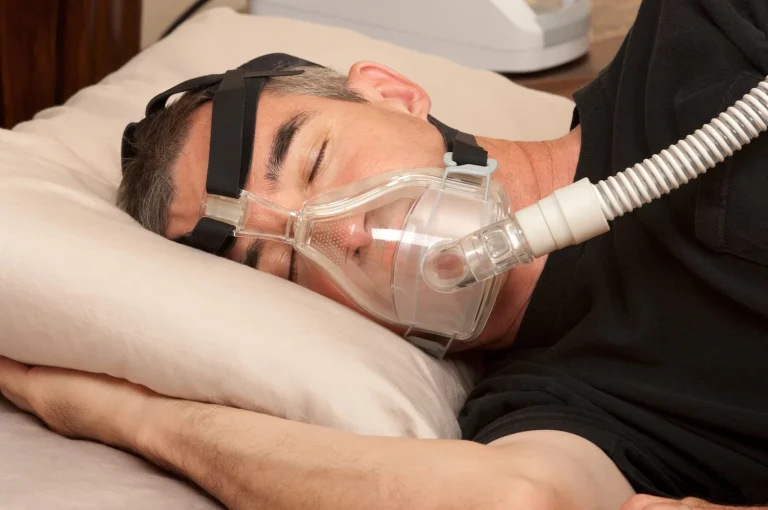
Your CPAP Follow-Up Appointment: What We Check at 30, 60, and 90 Days
Your CPAP Follow-Up Appointment: What We Check at 30, 60, and 90 Days
Starting CPAP therapy is the first step; staying on it well is the goal. Sleep apnea care at Vector Sleep uses structured follow-up visits at 30, 60, and 90 days to confirm that therapy is working, that the patient is comfortable, and that insurance compliance is documented. This article describes what the sleep physician reviews at each visit and what the patient should bring.
For patients still working through diagnosis, see our overview of sleep studies and the CPAP titration process.
This content was reviewed by Dmitriy Kolesnik, MD, Sleep Medicine Specialist at Vector Sleep Diagnostic Center in Queens, NY.
Why CPAP Follow-Up Exists
Positive airway pressure therapy is effective when it is used. The first 90 days are critical because the patterns of use established during this period predict long-term adherence. Insurance plans, including Medicare, require objective documentation of CPAP use during this window to continue coverage of the device. Follow-up visits are the structured opportunity to identify and fix problems before they cause patients to abandon therapy.
The 30-Day Visit: Initial Compliance and Comfort
The first follow-up is usually scheduled within the first month of therapy. The sleep physician reviews:
- Compliance report downloaded from the device or cloud platform: hours per night, percentage of nights with at least four hours of use, and total days of use.
- Mask fit and skin condition. Pressure marks, red lines on the bridge of the nose, and dry mouth are common at this stage and have specific solutions.
- Comfort settings. Ramp time, exhalation pressure relief, and humidifier level are adjusted to the patient’s response.
- Patient-reported symptoms. Snoring resolution, morning headaches, daytime sleepiness, partner satisfaction, and sleep quality are recorded.
The 30-day visit is mostly about troubleshooting. Patients who hit problems early and have them addressed are more likely to stay on therapy.
The 60-Day Visit: Titration Adjustment
By the 60-day visit, most patients have a stable wear pattern. The sleep physician focuses on:
- Residual AHI reported by the machine, ideally under 5 events per hour.
- Pressure adequacy. If residual AHI remains elevated despite consistent use, the auto-CPAP pressure range may need to be narrowed or shifted, or a switch to BiPAP may be considered.
- Mask leak rate. Elevated leak reduces effective therapy and is usually due to mask choice, fit, or worn cushions.
- Side effects. Dry mouth, nasal congestion, aerophagia, and claustrophobia are addressed with humidification, decongestant strategy, mask type change, or behavioral techniques.
The 90-Day Visit: Documentation for Insurance Compliance
The 90-day visit is the point at which most insurance plans require documented adherence. Medicare’s CPAP coverage rules require use of the device for at least 4 hours per night on 70 percent of nights during a consecutive 30-day period within the first 90 days, plus a clinical re-evaluation by the prescribing physician documenting benefit [Source: CMS Local Coverage Determinations for PAP devices, accessed 2026-05-13]. Many private insurers follow similar rules. Patients who do not meet compliance often have to return the device or pay out of pocket; that outcome is preventable when the 30 and 60 day visits address obstacles early.
At the 90-day visit, the physician confirms:
- Adherence threshold met
- Symptomatic benefit documented
- Residual AHI within acceptable range
- Plan for long-term follow-up (annual or as needed)
What to Bring to a CPAP Follow-Up
| Bring | Why |
|---|---|
| The CPAP device or its SD card | Direct download of compliance data |
| Mask and headgear | Inspect for wear, fit, leak source |
| List of side effects you have noticed | Targets the visit conversation |
| Sleep partner observations | Snoring resolution and overnight sounds |
| Insurance card | Compliance documentation submission |
What Patients Should Not Do Between Visits
Avoid changing pressure settings on your own. Auto-CPAP machines adjust within a prescribed range, but the underlying range is set by the prescribing physician for safety reasons. If you suspect the pressure is wrong, the right next step is a call to the clinic, not a self-adjustment.
Lifestyle and CPAP Work Together
CPAP treats the breathing obstruction; it does not address the upstream contributors. Weight reduction, alcohol moderation, sleeping on the side rather than the back for positional patients, and treating nasal congestion all improve outcomes alongside CPAP. The follow-up visits are the place to track these adjustments together with the device data, because a 20-pound weight loss can change the prescribed pressure and a new allergy can change leak patterns.
Patients who use a chinstrap, oral appliance, or BiPAP setup in combination with CPAP should bring all components to the follow-up visits. Treatment decisions consider the full setup, not the pressure number in isolation.
Frequently Asked Questions
How often should I see my sleep doctor after starting CPAP?
Most practices schedule follow-up at 30, 60, and 90 days during the initial period, then annually once therapy is stable, or sooner for new symptoms.
What is a good residual AHI on CPAP?
A residual AHI under 5 events per hour is generally considered well-treated. Higher values suggest pressure adjustment or evaluation for complex sleep apnea.
What is the Medicare CPAP compliance rule?
Medicare requires at least four hours of use on 70 percent of nights over a 30-day period within the first 90 days, plus documented clinical benefit, to continue coverage of the device.
Can I switch masks during the trial period?
Yes. Most durable medical equipment suppliers allow a mask exchange in the first 30 days. Discuss leak and comfort issues early so the exchange is timely.
What if I cannot tolerate CPAP at all?
Alternatives include BiPAP, oral appliance therapy, positional therapy for positional sleep apnea, and surgical referral for selected patients. The sleep physician can map out the next option at the follow-up visit.
Ready for answers? Schedule a sleep evaluation at Vector Sleep Diagnostic Center in Queens, NY.