Sleep Specialist vs General Doctor: What’s the Difference?

A general doctor, often called a primary care physician or PCP, handles a wide range of everyday health concerns and can give basic sleep advice. A sleep specialist is a physician with extra training focused entirely on diagnosing and treating sleep disorders. For occasional sleeplessness, start with your PCP. For sleep problems that last more than about three months, or that come with loud snoring, gasping at night, or heavy daytime tiredness, a sleep specialist is the better fit.
This guide was reviewed by Dmitriy Kolesnik, MD, a sleep medicine specialist at Vector Sleep Diagnostic Center in Rego Park, Queens. Vector has served patients since 2005 and runs 900 to 1000 overnight sleep studies a year.
We see patients every week who spent months, sometimes years, trying to solve a sleep problem through general practice visits alone. In many cases the underlying condition was treatable all along and needed the right test and the right physician to read it. This article covers how each type of provider works, how their training differs, and when to choose each.
Sleep Specialist vs General Doctor: Quick Comparison
| Factor | General Doctor (PCP) | Sleep Specialist |
|---|---|---|
| Medical school | Yes (4 years) | Yes (4 years) |
| Residency | 3 years in family medicine, internal medicine, or similar | 3 years in neurology, pulmonology, psychiatry, or similar |
| Sleep medicine fellowship | No | Yes (1 additional year) |
| Sleep medicine certification | No | Yes (American Board of Sleep Medicine or an ABMS member board) |
| Orders sleep studies | Sometimes, often by referral | Yes, directly |
| Interprets sleep study data | Limited | Yes, personally |
| Narcolepsy and parasomnias | Usually refers out | Diagnoses and treats |
| Best for | Occasional sleep trouble and general health management | Persistent, complex, or unexplained sleep problems |
How General Doctors Approach Sleep Problems
Your primary care doctor is usually the first person you call when something feels off, and that includes sleep. Most general doctors are comfortable with short term insomnia caused by stress, travel, or a temporary life change. They may ask about your sleep habits, suggest limiting caffeine or screen time before bed, or prescribe a short course of sleep medication.
General doctors also act as gatekeepers. According to Cleveland Clinic, a physician may refer you to a sleep specialist when symptoms affect the quality and quantity of your sleep in ways basic steps cannot fix.
The limit is scope. Sleep disorders overlap in their symptoms, and a doctor without specific sleep training can have trouble telling insomnia caused by anxiety from insomnia caused by undiagnosed sleep apnea. That distinction matters because the treatments are completely different.
Before a Visit With Your General Doctor
Keep a simple sleep log for one to two weeks. Write down what time you go to bed, how long it takes to fall asleep, how often you wake, and how you feel in the morning. A log gives your doctor real data to work with, and it helps if you are later referred. A printable sleep diary template is a good starting point.
What a Sleep Specialist Does
A sleep specialist is a physician who finished medical school, a residency in a related field such as neurology, pulmonology, psychiatry, or internal medicine, and then a one year fellowship in sleep medicine. Cleveland Clinic notes that it takes at least 12 years of education and training to practice sleep medicine.
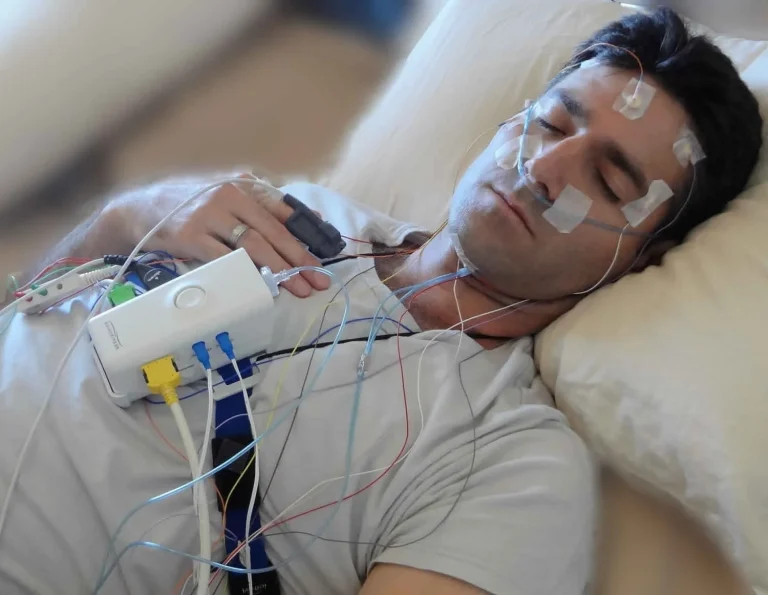
During a visit, the specialist takes a detailed sleep history, examines your airway and neurological function, and orders tests when needed. Those tests include an overnight sleep study (polysomnography, which records brain activity, breathing, heart rate, and muscle movement) or a home sleep apnea test. The specialist reads the results personally and builds a treatment plan around your diagnosis. Choosing when to schedule your study and where to have it done are worth discussing at that first visit.
Sleep specialists treat conditions that general doctors often cannot manage alone:
- Obstructive sleep apnea: pauses in breathing during sleep that can happen dozens of times an hour
- Narcolepsy: a neurological disorder causing overwhelming daytime sleepiness and sudden sleep attacks
- Restless legs syndrome: uncomfortable leg sensations that disrupt sleep
- Chronic insomnia: trouble falling or staying asleep that lasts three months or longer, often treated with cognitive behavioral therapy for insomnia
- Circadian rhythm disorders: a body clock that does not match your daily schedule

When to See Each Provider
Start with your general doctor for new or mild sleep complaints. A few bad weeks caused by a stressful project or a recent move may respond to basic changes, and your PCP can also check whether a medication you take interferes with sleep.
Consider a sleep specialist if:
- Your sleep problems have lasted more than three months
- You snore loudly, or a partner has seen you stop breathing during sleep
- You feel exhausted during the day after what should be a full night
- You fall asleep suddenly during the day
- You walk, thrash, or act out dreams in your sleep
- A general doctor’s treatment plan has not helped
According to Duke Health, you should see a sleep specialist when sleep problems persist for more than about three months and affect your daily life. If you are weighing the benefits, our guide to seeing a sleep specialist early covers what early evaluation changes.
If you do book a specialist, bring your bed partner when possible. They can describe snoring patterns, limb movements, and breathing pauses that you are not aware of. That account is often more useful than anything the patient can report.
How Common Are Sleep Disorders
The National Heart, Lung, and Blood Institute reports that about 50 to 70 million Americans have sleep disorders, and 1 in 3 adults do not regularly get the uninterrupted sleep they need to protect their health. Many never seek help, and those who do often begin with a general doctor who may not have the tools to name the specific disorder.
City living adds its own pressure. Street noise, shift work, and long commutes can worsen a sleep disorder or hide its symptoms, and a specialist who sees New York patients every day can weigh those factors in a diagnosis.
Things to Consider Before Choosing
- How long it has lasted: a few bad nights or weeks often settle with your PCP’s guidance, while three months or more points toward specialist care
- Impact on daily life: if sleepiness affects your work, your driving, or your relationships, do not wait
- Insurance: some plans ask for a PCP referral before covering a specialist visit, so check yours first. Vector accepts all major insurance plans, including Medicare and Medicaid, and our insurance guide for sleep studies explains coverage
- Type of symptoms: snoring, observed breathing pauses, and daytime sleepiness suggest a physical disorder like apnea, while trouble quieting your mind at bedtime may be handled by your PCP or a sleep psychologist
- Earlier attempts: if you already tried your doctor’s advice and nothing changed, it is time for a specialist
- Cost: if a home test is on the table, see what a home sleep test costs without insurance
Making the Right Choice for Your Sleep Health
The difference between a general doctor and a sleep specialist comes down to depth of training and focus. Your PCP is a strong first step for mild or short term trouble. When sleep problems persist, involve unusual symptoms, or resist standard treatment, a specialist offers diagnostic precision and targeted care that general practice cannot match. Looking for a program with accreditation and board certified physicians? Read how to judge sleep center accreditation and why a proper diagnosis is the first step. Already noticing apnea symptoms? See five signs to ask for a sleep apnea evaluation.
Frequently Asked Questions About Sleep Specialists and General Doctors
Can my general doctor diagnose sleep apnea?
Some general doctors recognize the signs of sleep apnea and may order a home sleep test. Reading the results and building a long term treatment plan usually falls to a sleep specialist. Severity varies widely, and the right treatment, whether a CPAP machine, an oral appliance, or surgery, depends on a detailed review of the study.
Do I need a referral to see a sleep specialist?
It depends on your insurance plan. Some plans, such as HMO plans, ask for a referral from your primary care doctor, and others let you book directly. Call your insurer before you schedule so a missing referral does not become a surprise bill.
What happens during a sleep study?
An overnight sleep study, called polysomnography, records brain waves, eye movements, heart rate, breathing, oxygen levels, and muscle activity while you sleep at a sleep center. A sleep physician reviews the data and looks for abnormalities. A home sleep test measures fewer things but can be done in your own bed for some conditions.
How long does it take to get a diagnosis?
The timeline depends on the condition and on scheduling. A typical path is an initial consultation, a sleep study at home or in a lab, and a follow up visit to go over the results. Complex or rare disorders can take longer.
Will my sleep specialist work with my regular doctor?
Yes. According to Healthline, sleep specialists routinely coordinate with primary care doctors. Your primary care doctor manages your overall health while the specialist focuses on the sleep disorder, and they share information so treatments do not conflict.
Which symptoms mean I should skip the general doctor and go straight to a sleep specialist?
Loud snoring with gasping or observed breathing pauses, sudden episodes of falling asleep during the day, acting out dreams, and daytime exhaustion despite a full night in bed all point to a physical sleep disorder. These are worth a specialist visit without waiting for several months of trial and error.
Ready to Get Better Sleep
If you have been living with poor sleep and want to know what is really going on, the team at Vector Sleep Diagnostic Center in Rego Park, Queens, can help. Email vectorsleep@gmail.com or call (718) 830-2800 to schedule a consultation.
Sources
- Cleveland Clinic: Sleep Specialist (Somnologist), on training steps and the conditions sleep specialists treat
- National Heart, Lung, and Blood Institute: Sleep Health, on how many Americans have sleep disorders
- Healthline: How to Choose a Sleep Specialist, on how specialists coordinate with primary care
- Duke Health: Do I Need a Sleep Specialist?, on when to seek specialized sleep care