How Accurate Are Sleep Studies in Diagnosing Disorders?
Sleep study accuracy in diagnosing sleep disorders depends on which test you take and on who is being tested. The American Academy of Sleep Medicine (AASM) clinical practice guideline for diagnosing obstructive sleep apnea supports in-lab polysomnography for adults, and a technically adequate home sleep apnea test only for uncomplicated adults at high risk of moderate to severe disease. This guide explains where each test is strong, where a home test can understate the result, and what happens when a result comes back negative. For the night itself, see our page on sleep studies at Vector.
This article was reviewed by Dmitriy Kolesnik, MD, a neurologist board certified in Sleep Medicine and Medical Director of Vector Sleep Diagnostic Center in Rego Park, Queens.
Vector has served patients since 2005 and runs 900 to 1000 overnight sleep studies a year. Our medical director, Dr. Dmitriy Kolesnik, is board certified in neurology and sleep medicine.
What Sleep Study Accuracy Means for Diagnosing Sleep Disorders
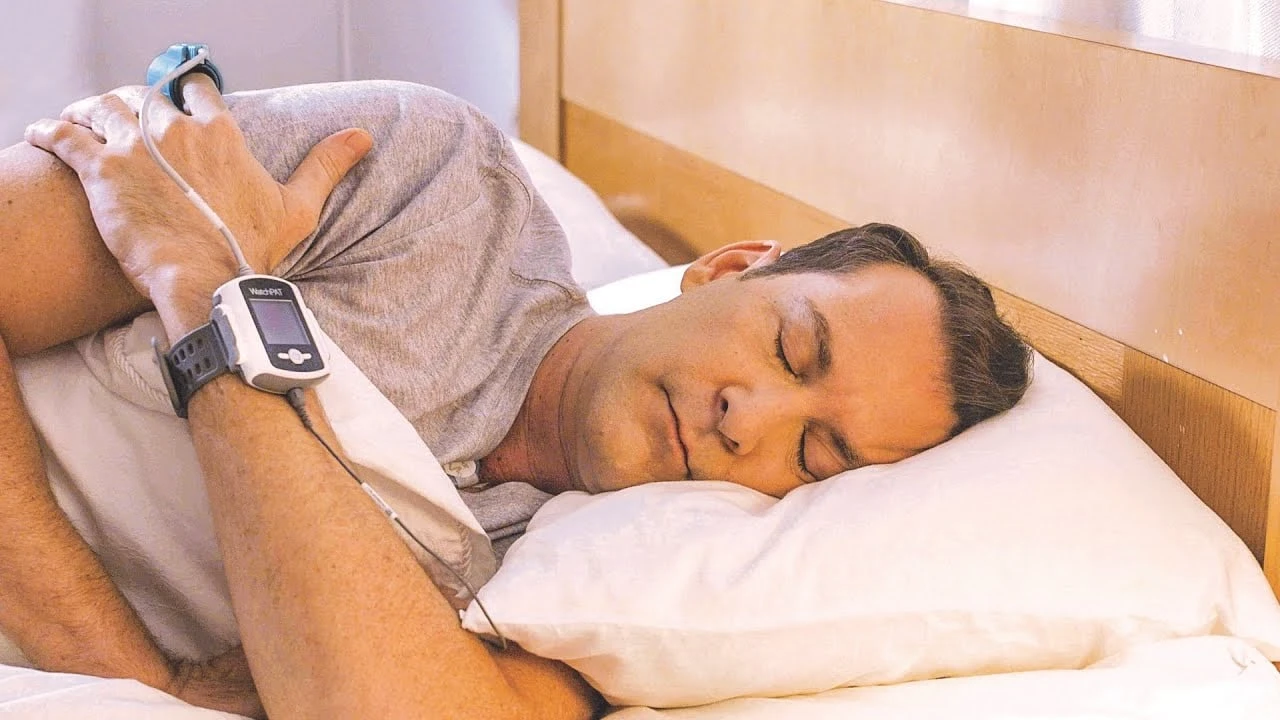
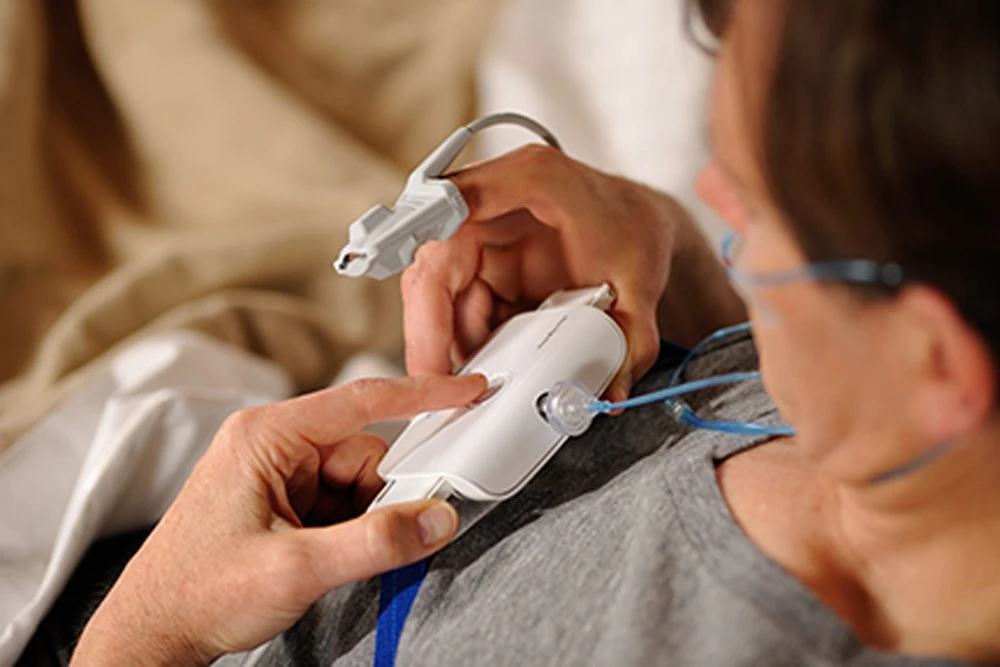
NHLBI describes the most common type of sleep study, also called polysomnography, as a painless test that records brain waves and monitors heart rate, breathing and the oxygen level in your blood during a full night of sleep. A home sleep apnea test is simpler. The AASM patient page on obstructive sleep apnea says it lets you sleep at home while a small monitor collects data, and that its equipment is less complicated than what an in-lab study uses.
Accuracy here means how often a test reaches the same answer as the full in-lab recording. The AASM guideline judges tests at apnea-hypopnea index (AHI) cutoffs of 5, 15 and 30 events per hour, so a test can perform differently for mild, moderate and severe disease.
In-Lab Polysomnography Versus a Home Sleep Apnea Test
| Feature | In-lab polysomnography | Home sleep apnea test |
|---|---|---|
| What it records | Brain waves, heart rate, breathing and blood oxygen through the night (NHLBI) | A small monitor that collects breathing data at home (AASM) |
| Sleep time | Sleep staging channels such as EEG are recorded | Usually no sleep staging, so recording time stands in for sleep time (AASM guideline) |
| Hypopneas tied only to arousals | Counted under the AASM Scoring Manual rule | Conventional sensors cannot detect them (AASM guideline) |
| Best fit | Any adult, including patients with other medical conditions | Uncomplicated adults at high risk of moderate to severe sleep apnea |
The AASM patient page adds that an overnight sleep study gives your doctor the most complete information about your sleep. Our comparison of at-home and in-lab sleep studies covers the practical side, and hospital sleep labs and independent centers explains where the study is done.
Why a Home Test Can Understate Your Result
The AASM guideline names three sources of measurement error in home testing, and says all of them can lead to underestimating the true AHI:
- Recording time instead of sleep time. Because brain wave channels are usually not monitored, the home result divides events by recording time, not by the hours you actually slept.
- Missed hypopneas. Devices with conventional sensors cannot detect hypopneas tied only to arousals from sleep, which the AASM Scoring Manual includes in its recommended scoring rule.
- Sensor dislodgement and poor signal. A sensor that slips off during the night leaves a gap, and the guideline notes this may mean repeated studies are needed because the data is inadequate.
When In-Lab Testing Is the Recommended Choice
The guideline gives a strong recommendation for polysomnography rather than a home test for patients with any of these:
- serious heart or lung disease (cardiorespiratory disease)
- possible respiratory muscle weakness from a neuromuscular condition
- awake hypoventilation, or suspected sleep related hypoventilation
- chronic opioid medication use
- a history of stroke
- severe insomnia
The guideline bases this on limited data about home test validity in these groups. If any of these describe you, ask for an in-lab study. Our sleep apnea care page explains what comes after a diagnosis.
What Happens When a Sleep Study Is Negative or Inconclusive
The AASM guideline is specific about next steps, and the two cases differ:
- Home test negative, inconclusive or technically inadequate: the guideline strongly recommends an in-lab polysomnogram for the diagnosis.
- In-lab test negative but suspicion remains: the guideline suggests, as a weaker recommendation, that a second polysomnogram be considered, balanced against the chance of a false positive, the inconvenience and the added cost.
If your result does not match how you feel, say so at your follow-up. Our guide to what happens after your sleep study walks through that visit.
Diagnosing Other Sleep Disorders: What One Overnight Study Cannot Settle Alone
Diagnosing some sleep disorders needs a different test, and accuracy for those conditions depends on using the right one. NHLBI describes the Multiple Sleep Latency Test, which measures how quickly you fall asleep during a series of daytime naps, as a way to help diagnose conditions that cause extreme daytime tiredness such as narcolepsy. Consumer apps and wearables are a separate matter: the AASM says their sleep apnea results can be unreliable and should be discussed with your medical provider.
Questions to Ask Before You Book a Sleep Study
- Do my symptoms and medical history make a home test appropriate, or should I have an in-lab study?
- If my first result is negative, what is the next test?
- Who reads and scores the recording, and who explains the result to me?
- How should I prepare? Start with our night before sleep study checklist.
Questions about which test fits you? Email vectorsleep@gmail.com or call (718) 830-2800. Our team in Rego Park, Queens reviews your symptoms and helps you choose the right study.
Frequently Asked Questions About Sleep Study Accuracy
Can a sleep study miss sleep apnea?
Yes. The American Academy of Sleep Medicine (AASM) guideline says home sleep apnea testing can underestimate the true apnea-hypopnea index, and that a negative home test calls for an in-lab polysomnogram. It also suggests that when an in-lab polysomnogram is negative but suspicion remains, a second polysomnogram can be considered.
Is an in-lab sleep study more accurate than a home sleep test?
The AASM guideline recommends in-lab polysomnography over home testing for patients with serious heart or lung disease, possible respiratory muscle weakness, awake hypoventilation, long-term opioid use, a history of stroke or severe insomnia. For an uncomplicated adult with a high chance of moderate to severe sleep apnea, it supports either polysomnography or a technically adequate home test.
Can a sleep study diagnose narcolepsy?
A standard overnight study alone does not settle it. NHLBI describes a separate daytime test, the Multiple Sleep Latency Test, which measures how quickly you fall asleep during a series of naps and helps diagnose conditions that cause extreme daytime tiredness, such as narcolepsy.
Are phone apps and sleep trackers as accurate as a sleep study?
No. The AASM says other apps and sleep tracking devices may claim to detect sleep apnea, but their results can be unreliable, and recommends discussing these devices with your medical provider.
Why can two sleep studies give different results?
The AASM guideline points to night to night variability and to inconsistent definitions of respiratory events such as hypopneas between home tests and in-lab studies. Your doctor reads the result together with your symptoms and history.
Who can order a sleep study?
The AASM says your medical provider can diagnose obstructive sleep apnea using an in-lab sleep study or a home sleep apnea test, and that more complex cases may need an appointment with a sleep doctor. Call us to talk through which path fits your symptoms.
Sources
- NHLBI, Sleep Studies, what a sleep study records and the Multiple Sleep Latency Test
- American Academy of Sleep Medicine, Sleep Education: Obstructive Sleep Apnea, in-lab versus home testing, app reliability
- Clinical practice guideline for diagnostic testing for adult obstructive sleep apnea (AASM, Journal of Clinical Sleep Medicine, 2017), recommendations, home test limitations, negative results