How Can Specialized Sleep Evaluations Identify Hidden Sleep Disorders in Inwood, NY?
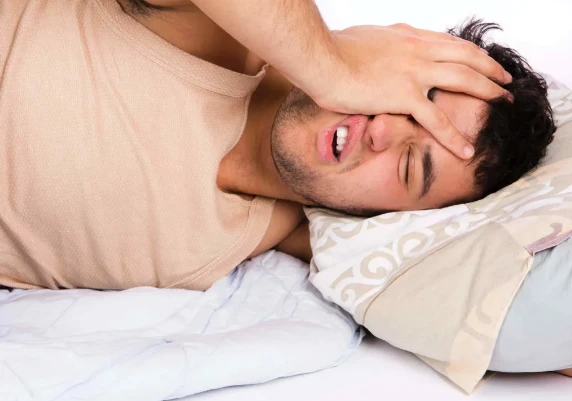
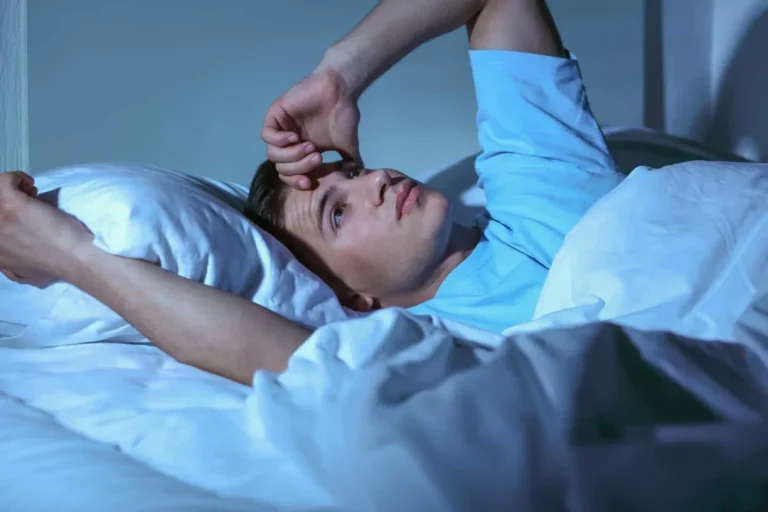
Many people in Inwood struggle with sleep problems without realizing they have a diagnosable sleep disorder. Specialized sleep evaluations can detect conditions that other medical visits often miss. These comprehensive assessments measure brain activity, breathing patterns, heart rate, and body movements during sleep to identify disorders that hide behind vague symptoms like fatigue and irritability.
Sleep disorders affect approximately 30% of the general population at any given time, yet most remain underdiagnosed for years, according to research published by the National Institutes of Health. Our diagnostic center uses advanced monitoring technology to capture the subtle physiological changes that occur during sleep, revealing disorders that daytime appointments simply cannot detect.
What Happens During a Specialized Sleep Evaluation
A sleep evaluation typically involves an overnight stay at a sleep center where technicians monitor multiple bodily functions simultaneously. During the assessment, sensors track brain waves to identify sleep stages, electrodes measure muscle activity to detect movement disorders, and breathing sensors capture any interruptions in airflow. Oxygen levels in your blood are monitored continuously throughout the night.
Polysomnography, the most comprehensive sleep study, records brain activity, eye movements, heart rhythm, and muscle tension simultaneously. This test can identify obstructive sleep apnea, narcolepsy, periodic limb movement disorder, and parasomnias like sleepwalking and REM sleep behavior disorder. The detailed data allows specialists to pinpoint exactly when and why your sleep gets disrupted each night.
Bonus Tip: Bring comfortable clothing and your own pillow if possible. Being comfortable helps you sleep more naturally during the study, which produces more accurate results about your typical sleep patterns.
Common Hidden Sleep Disorders That Evaluations Reveal
Sleep apnea ranks among the most commonly missed diagnoses. Research from the University of Minnesota shows that approximately 30 million Americans suffer from obstructive sleep apnea, yet only 6 million receive official diagnoses. This condition causes repeated breathing interruptions throughout the night, often without the person remembering them. Morning headaches, daytime sleepiness, and difficulty concentrating often get dismissed as stress or aging rather than recognized as apnea symptoms.
Restless leg syndrome frequently goes undiagnosed because people assume their uncomfortable sensations are normal. This neurological condition causes overwhelming urges to move legs, particularly when lying down, which prevents falling asleep and disrupts sleep quality. A sleep study can confirm the periodic limb movements that accompany this condition and measure how significantly they fragment your sleep.
Parasomnias represent another category of hidden disorders. These include sleep terrors, sleepwalking, and REM sleep behavior disorder, where people physically act out their dreams. Many individuals have no memory of these events but wake up exhausted. Specialized testing captures the physical manifestations and brain activity during these episodes, providing concrete evidence of the disorder.
Types of Sleep Studies and What They Detect
| Study Type | Monitoring Parameters | Best For Diagnosing | Duration |
|---|---|---|---|
| Polysomnography (Level 1) | Brain waves, eye movements, heart rate, breathing, oxygen, and muscle activity | Sleep apnea, narcolepsy, parasomnias, movement disorders | Full overnight |
| Home Sleep Apnea Test (Level 3) | Breathing, oxygen levels, heart rate | Moderate to severe obstructive sleep apnea | Night at home |
| Multiple Sleep Latency Test | Brain waves, eye movements | Narcolepsy, excessive daytime sleepiness | Daytime naps |
| Maintenance of Wakefulness Test | Brain waves, eye movements | Ability to stay awake | Daytime hours |
Level 1 polysomnography provides the most comprehensive data and can diagnose the widest range of disorders. Home sleep apnea tests offer convenience but only detect breathing-related conditions. Our specialists recommend the appropriate test based on your specific symptoms and medical history.
Bonus Tip: If you suspect you have a sleep disorder but feel nervous about testing, ask your provider about a home sleep study first. For many conditions, this less intensive option provides sufficient diagnostic information.
Signs That You May Have a Hidden Sleep Disorder
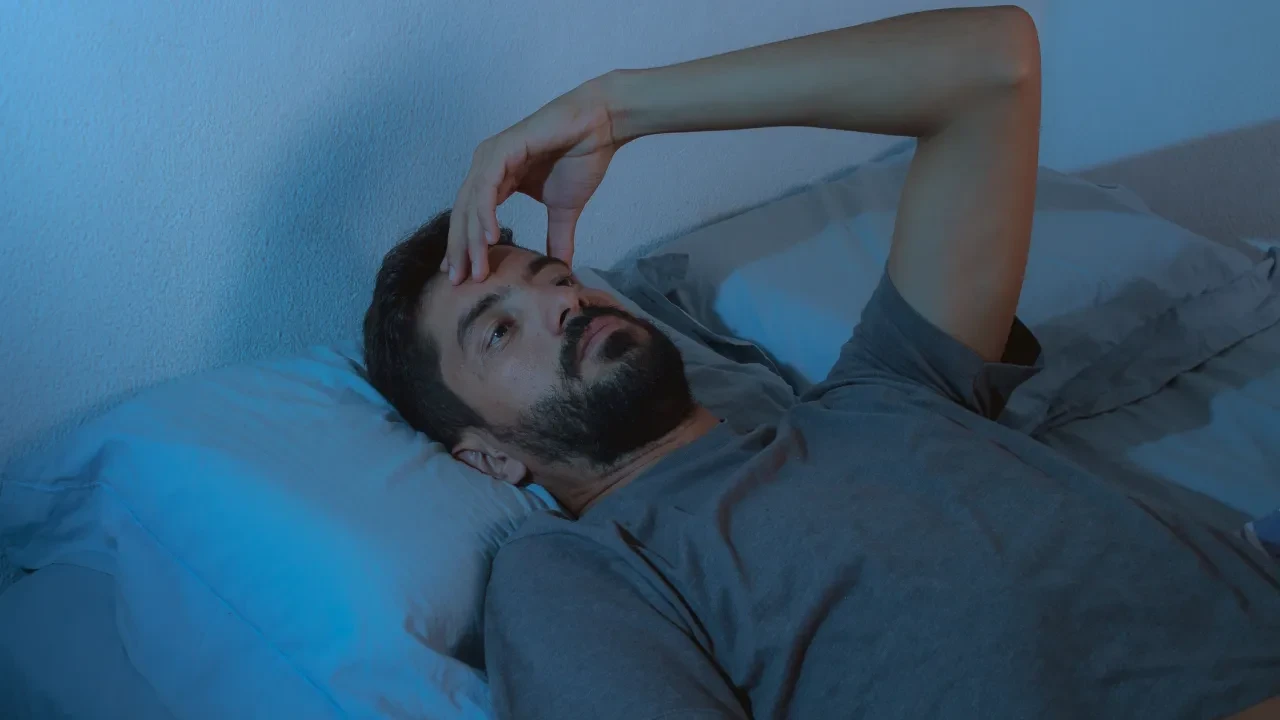
Recognizing the warning signs helps you decide whether seeking an evaluation makes sense. Excessive daytime sleepiness that persists despite getting enough hours in bed often signals an underlying sleep disorder. Waking up unrefreshed, even after full nights of sleep, indicates your sleep quality suffers from something other than insufficient duration.
Morning headaches and difficulty concentrating during the day frequently point to sleep apnea. Your brain responds to oxygen drops during apnea events with inflammation that manifests as head pain upon waking. Cognitive difficulties emerge because fragmented sleep prevents the brain from consolidating memories and processing information effectively.
Snoring, gasping sounds, or observed breathing pauses during sleep warrant professional evaluation. These sounds indicate airway obstruction that deprives your body of oxygen throughout the night. Partners often notice these symptoms before the person experiencing them realizes anything unusual is happening.
Things to Consider Before Making a Decision
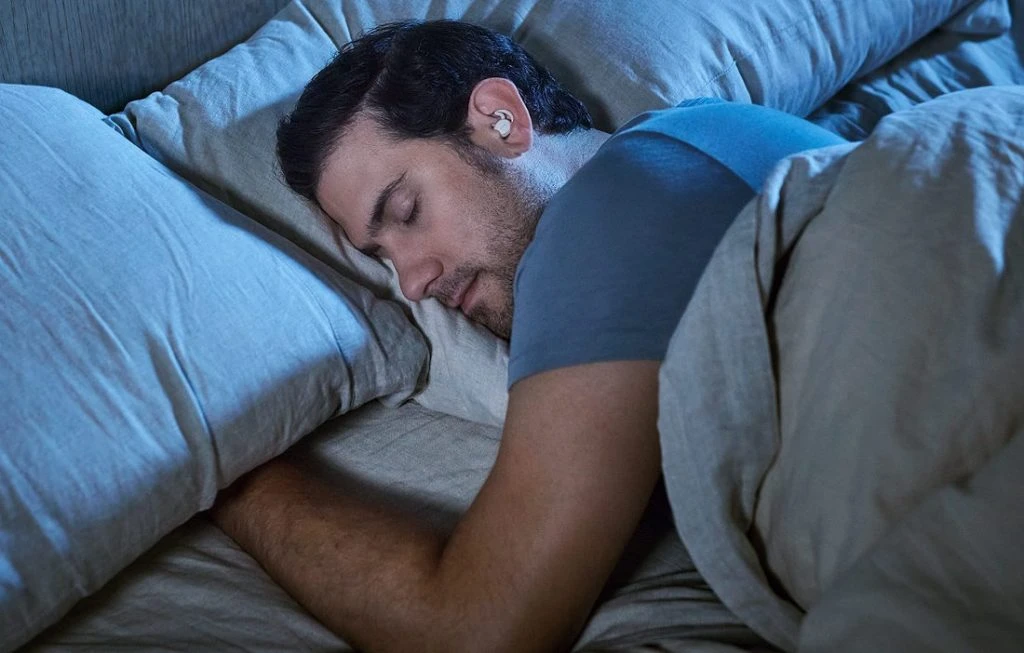
Before scheduling a sleep evaluation, consider what you hope to learn from the results. Understanding whether a diagnosis would change your treatment options helps determine if testing makes sense for your situation. Some people prefer to rule out sleep disorders before investigating other potential causes of their symptoms.
Your medical history influences which tests prove most appropriate. Previous heart conditions, lung diseases, or neurological symptoms may require more comprehensive monitoring. Certain medications affect sleep patterns and might need adjustment before accurate testing occurs. Discuss these factors with your primary care physician before scheduling an evaluation.
Insurance coverage varies significantly for sleep studies. Some plans require referrals or pre-authorization for diagnostic testing. Contact your insurance provider to understand your coverage, including any out-of-pocket costs for copays, deductibles, or facility fees. Financial considerations should not prevent you from seeking a diagnosis, as many sleep centers offer payment plans or sliding scale fees.
How Evaluation Results Guide Treatment
Once testing is complete, specialists analyze the data to identify specific abnormalities. The results include metrics like your apnea-hypopnea index, which measures how many breathing interruptions occur per hour, and your oxygen saturation levels throughout the night. These numbers determine whether you have mild, moderate, or severe sleep apnea and guide treatment recommendations.
Treatment options vary based on diagnosis. Sleep apnea often responds well to CPAP therapy, oral appliances, or positional devices. Narcolepsy typically requires stimulant medications combined with strategic scheduling of naps. Movement disorders may improve with medication, iron supplementation, or lifestyle changes. The evaluation results help your provider tailor treatment to your specific physiology.
Follow-up consultations typically occur within weeks of testing to review results and establish treatment plans. Many sleep centers provide ongoing support to adjust treatments as needed and ensure you’re achieving restful sleep. This continuous care approach helps patients maintain improvements over time.
Why Early Detection Matters
Undiagnosed sleep disorders affect more than just nighttime rest. Research from the CDC shows 14.5% of adults experience trouble falling asleep most days, and these sleep difficulties correlate with higher rates of chronic health conditions. Sleep apnea alone increases risks for heart disease, stroke, and diabetes when left untreated.
Timely diagnosis allows for earlier intervention, which often produces better outcomes. When sleep disorders remain hidden, people typically accept chronic fatigue as normal rather than seeking solutions. Treatment can transform daily energy levels, cognitive function, and overall health within weeks or months.
Early identification also prevents complications from worsening. Sleep apnea that gets treated promptly reduces strain on the cardiovascular system before permanent damage occurs. Addressing narcolepsy early helps prevent accidents and injuries from sudden sleep attacks. Movement disorders treated early show slow progression and improve long-term quality of life.
Take the First Step Toward Better Sleep
If you recognize symptoms of hidden sleep disorders in yourself or a family member, professional evaluation offers answers and solutions. Our team at Vector Sleep Diagnostic Center understands how disruptive undiagnosed sleep conditions can be to daily life, relationships, and long-term health. We provide thorough assessments using modern diagnostic technology in a comfortable environment.
Understanding whether a sleep disorder explains your symptoms empowers you to pursue effective treatment. You do not have to accept chronic exhaustion as inevitable or normal. A professional evaluation can reveal conditions that have affected your sleep for years without your knowledge.
Contact us at vectorsleep@gmail.com or call +1 718-830-2800 to discuss whether a specialized sleep evaluation fits your situation. Our staff can answer questions about testing procedures, insurance coverage, and what to expect during your assessment.
Common Questions
What if I cannot sleep during the sleep study?
Most people actually sleep better than expected. Technicians monitor your ability to fall asleep and can often make adjustments if anxiety prevents rest. Getting even a few hours of data typically provides enough information for diagnosis.
Do I need a referral from my primary doctor?
Requirements vary by insurance. Some plans allow direct scheduling while others require physician referrals. Contact our office, and we can verify whether a referral is necessary for your specific coverage.
How long does it take to receive results?
Most results become available within one to two weeks. The data requires careful analysis by sleep specialists who review patterns across the entire night rather than focusing on isolated moments.
Are home sleep studies as accurate as in-lab testing?
Home studies effectively detect moderate to severe obstructive sleep apnea but cannot diagnose other conditions like narcolepsy or parasomnias. In-lab testing provides more comprehensive data for complex presentations.
Sources
- MedlinePlus Sleep Study Information – Comprehensive overview of sleep study procedures and purposes
- Mayo Clinic Polysomnography Details – Medical-grade information on sleep study processes
- Sleep Foundation Statistics – Current sleep health data and prevalence information