
How Insomnia Treatment Helps Restore Healthy Sleep Patterns
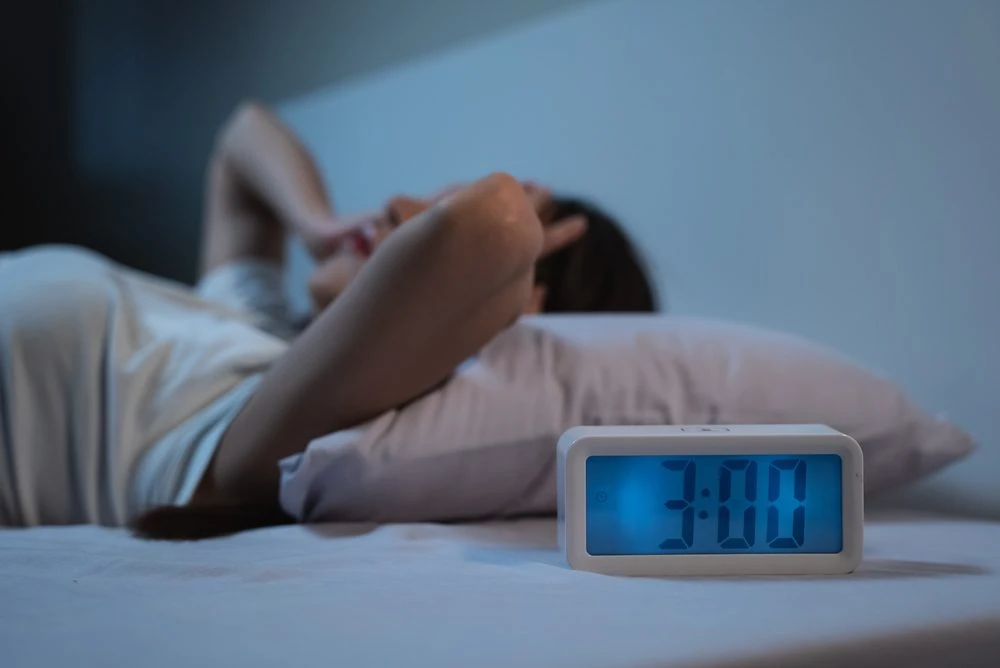
Insomnia treatment works best when it targets what is keeping you awake instead of only masking the symptom. For chronic insomnia, the first treatment option is usually cognitive behavioral therapy for insomnia, known as CBT-I, which retrains the habits and thoughts that stand between you and sleep. This guide explains what insomnia is, how CBT-I works, where medicines fit, and when to see a sleep specialist. It also shows how our insomnia care at Vector Sleep Diagnostic Center in Rego Park, Queens fits in.
This article was reviewed by Dmitriy Kolesnik, MD, a neurologist board certified in Sleep Medicine and Medical Director of Vector Sleep Diagnostic Center in Rego Park, Queens.
Vector has served patients since 2005 and runs 900 to 1000 overnight sleep studies a year. Our medical director, Dr. Dmitriy Kolesnik, is board certified in neurology and sleep medicine.
What Counts as Insomnia?
Everyone has an occasional bad night, and the American Academy of Sleep Medicine (AASM) says that does not mean you have insomnia. It reports that as many as 35 percent of adults complain of insomnia, and it separates two types based on how long and how often the problem occurs.
- Short-term insomnia: lasts up to three months, and the AASM says it occurs in 15 to 20 percent of people at any given time.
- Chronic insomnia: happens at least three times per week and lasts at least three months. The AASM says about 10 percent of people have it, and a sleep doctor makes the diagnosis.
Symptoms go beyond the night itself. The AASM lists fatigue, trouble with attention, concentration or memory, moodiness or irritability, daytime sleepiness and poor performance at school or work. If this sounds familiar, our sleep diary guide shows how to track your nights before an appointment: see the sleep diary template for insomnia.
Why Insomnia Keeps Going
The AASM says insomnia is most often associated with another problem that drives it. Finding that problem is the first job of any treatment plan, because the right approach depends on the cause.
- Stress: work, relationships, loss and big life changes all disrupt sleep.
- Other sleep disorders: restless legs syndrome, for example, can make it hard to fall asleep. See what to bring to an RLS consultation.
- Medical and mental health conditions: pain, limited mobility, depression and anxiety are all linked to poor sleep.
- Medicines and substances: the AASM names cold and allergy medicines with pseudoephedrine, some antidepressants, and medicines for ADHD, high blood pressure and Parkinson’s disease, plus caffeine and alcohol.
- Environment and habits: noise, light, temperature, a snoring bed partner, an irregular schedule or a very late bedtime.
CBT-I: The First Treatment Option for Long-Term Insomnia
The National Heart, Lung, and Blood Institute (NHLBI) describes CBT-I as a six to eight week treatment plan that helps you fall asleep faster and stay asleep longer, and says it is usually recommended as the first treatment option for long-term insomnia. The AASM likewise recommends it for chronic insomnia disorder in adults. Sleep Foundation calls it a first-line treatment that does not rely on medication. A doctor, nurse or therapist can deliver it in person, by telephone or online.
The table lists the parts of CBT-I as the NHLBI describes them.
| CBT-I part | What it does |
|---|---|
| Cognitive therapy | Helps you feel less nervous about not being able to sleep |
| Relaxation or meditation | Teaches you how to relax and fall asleep faster |
| Sleep education | Builds good sleep habits |
| Sleep restriction | Sets a specific amount of time in bed, even if you cannot sleep during all of it, and increases it as sleep improves |
| Stimulus control | Links bed with sleep: go to bed only when sleepy, get out of bed if you cannot sleep, and use the bed only for sleep and sexual activity |
Vector offers CBT-I at our Rego Park center: our CBT-I page explains the program, and our insomnia treatment solutions guide covers why insomnia persists and what makes it worse. We also run a sleep study when another disorder, such as sleep apnea, may be keeping you awake.

Medicines, Melatonin and Other Options
The NHLBI says some prescription medicines for insomnia are meant for short-term use while others are meant for longer-term use, and it advises talking with your doctor about the benefits and side effects. It notes that benzodiazepines may be prescribed if other treatments have not worked, can be habit-forming and should be taken for only a few weeks. Some prescription medicines used for other conditions can also raise the risk of insomnia, so review everything you take with your provider.
Over-the-counter products need the same care. The NHLBI warns that antihistamine sleep aids can be unsafe for some people and that research has not proven melatonin to be an effective treatment for insomnia. It also says light therapy, in which you sit in front of a light box at a planned time each day, may be recommended to set and maintain your sleep-wake cycle.
Habits That Support Treatment
Habits alone rarely resolve chronic insomnia, but they can undermine even a good treatment plan. The NHLBI suggests learning new ways to manage stress and following a routine that helps you wind down before bed, such as reading a book, listening to soothing music or taking a hot bath. The AASM points to caffeine, alcohol close to bedtime, noise, light, temperature and a very late or irregular bedtime as common sleep disruptors.
- Keep a consistent schedule: wide swings in bedtime are listed by the AASM among the habits that can cause insomnia.
- Watch stimulants and alcohol: both can interfere with falling and staying asleep.
- Check your room: noise, light and temperature affect sleep, and a snoring partner can wake you. If your partner snores or gasps, ask about a sleep study.
When to See a Sleep Specialist
- Duration: trouble sleeping at least three nights per week for three months or longer meets the AASM definition of chronic insomnia, which a sleep doctor should diagnose.
- Daytime impact: ongoing fatigue, poor concentration, irritability or sleepiness that affects work, school or driving.
- Other symptoms: snoring, gasping, restless legs or unusual movements in sleep can point to another sleep disorder, such as sleep apnea.
- Self-help has not worked: a specialized sleep evaluation looks for the cause so treatment can target it.
Treatment starts with a clear picture of your sleep. The team at Vector Sleep Diagnostic Center in Rego Park, Queens, can evaluate your sleep and explain your options. Email vectorsleep@gmail.com or call (718) 830-2800.
Frequently Asked Questions
How do I know if I have chronic insomnia?
The American Academy of Sleep Medicine describes chronic insomnia as trouble sleeping that happens at least three times per week and lasts at least three months. It also says a sleep doctor diagnoses chronic insomnia and checks that nothing else in your sleep is behind it. A few bad nights during a stressful week is not the same thing.
How long does CBT-I take?
The National Heart, Lung, and Blood Institute describes CBT-I as a six to eight week treatment plan. Sleep Foundation says treatment often takes from six to eight sessions. Your own plan depends on your history, so your clinician sets the pace.
Is CBT-I better than sleeping pills?
The NHLBI says CBT-I is usually recommended as the first treatment option for long-term insomnia, and the AASM recommends it for chronic insomnia disorder in adults. Medicines still have a place for some people, and some are meant for short-term use only. Your physician decides what fits your situation, so do not stop or start a prescription on your own.
Does melatonin treat insomnia?
The NHLBI states that research has not proven melatonin to be an effective treatment for insomnia, and lists possible side effects such as daytime sleepiness, headaches, upset stomach and worsening depression. Talk with your healthcare provider before taking it or any other supplement.
Can another sleep problem cause my insomnia?
Yes. The AASM says insomnia is most often associated with another problem that drives it, including stress, medical conditions, mental health conditions, medications, and other sleep disorders such as restless legs syndrome. A sleep evaluation helps find out whether something else is keeping you awake.
Do caffeine and alcohol matter during treatment?
They can. The AASM notes that caffeine and other stimulants can prevent you from falling or staying asleep, and that drinking alcohol close to bedtime can make it harder to fall asleep or cause you to wake during the night. Your clinician can help you decide what to change.
Sources
- American Academy of Sleep Medicine, Sleep Education: Insomnia, prevalence, types, causes and CBT-I recommendation
- National Heart, Lung, and Blood Institute: Insomnia Treatment, CBT-I parts, medicines, melatonin and light therapy
- Sleep Foundation: Cognitive Behavioral Therapy for Insomnia, first-line treatment and session length