Daytime Fatigue: When It’s Time to See a Sleep Specialist
Daytime fatigue warrants professional sleep intervention when persistent exhaustion interferes with daily functioning despite adequate sleep opportunity, lasts longer than three months, or occurs with warning signs like snoring, gasping at night, or falling asleep during dangerous activities such as driving. Vector Sleep Diagnostic Center recommends seeking specialist care when self-help strategies fail to restore energy levels or when sleepiness impacts work performance, relationships, or overall quality of life.
This guide provides practical knowledge to help readers identify serious sleep concerns, understand when professional evaluation becomes necessary, and prepare effectively for a specialist consultation. Drawing from extensive clinical experience in sleep medicine, the information below offers concrete criteria for decision-making without unnecessary medical jargon.
Understanding Daytime Fatigue
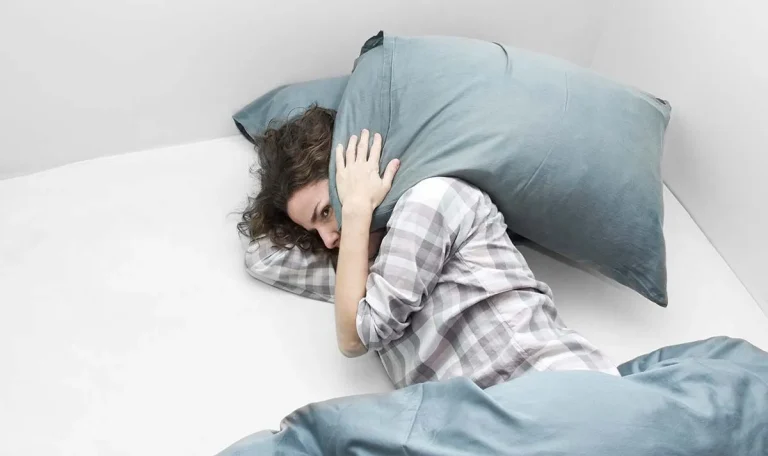
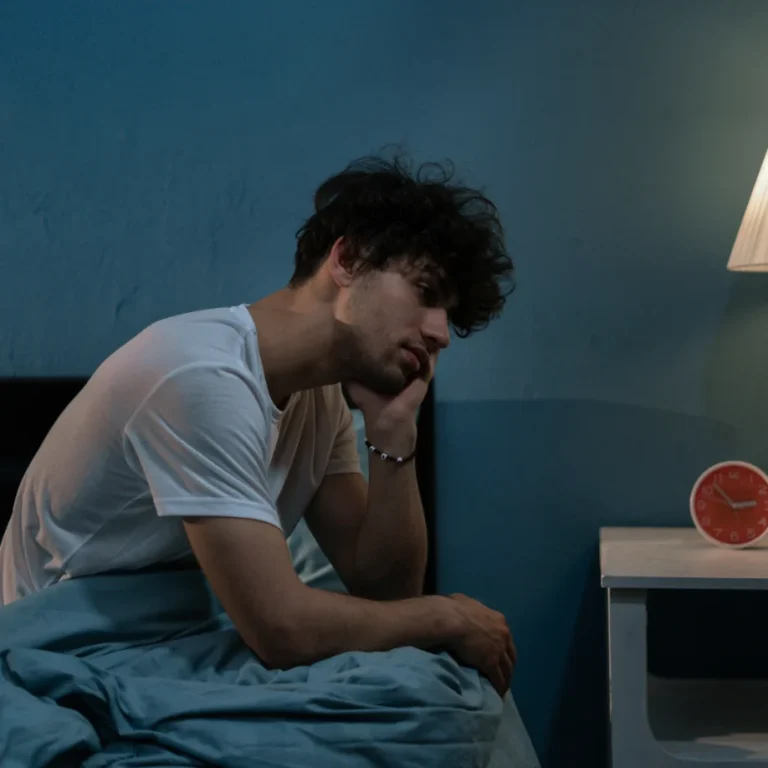
Daytime fatigue differs significantly from occasional tiredness. While feeling tired after a poor night’s sleep happens to everyone, chronic daytime fatigue represents a persistent state of exhaustion that sleep cannot resolve. This condition often stems from underlying sleep disorders, medical conditions, or lifestyle factors that disrupt restorative sleep cycles.
The most common culprits include sleep apnea, insomnia, restless leg syndrome, and circadian rhythm disorders. According to the American Sleep Apnea Association, approximately 22 million Americans suffer from sleep apnea, yet many cases remain undiagnosed. This condition causes breathing interruptions during sleep, preventing deep, restorative rest and leading to excessive daytime sleepiness.
Symptoms and Severity Thresholds
Not all fatigue requires medical intervention, but certain patterns indicate the need for professional assessment. The table below outlines common symptoms and when they typically necessitate specialist evaluation.
| Symptom | Manageable at Home | Requires Specialist Evaluation |
|---|---|---|
| Occasional tiredness | ✓ | |
| Needing coffee to function | ✓ | |
| Falling asleep while reading or watching TV | ✓ | |
| Daytime sleepiness 3+ days/week for 3+ months | ✓ | |
| Loud, chronic snoring | ✓ | |
| Gasping or choking during sleep | ✓ | |
| Falling asleep while driving or operating machinery | ✓ | |
| Morning headaches or dry throat | ✓ | |
| Difficulty concentrating or memory problems | ✓ | |
| Irritability, mood changes, or depression symptoms | ✓ |
Regional and Environmental Factors
Geographic location and seasonal changes influence sleep patterns significantly. People living in northern latitudes experience shorter daylight hours in winter, which can disrupt circadian rhythms and worsen daytime fatigue. The National Institute of Mental Health notes that seasonal affective disorder affects millions of Americans, particularly those in regions with harsh winters.
Hot and humid climates also impact sleep quality. Poor ventilation or inadequate air conditioning during the summer months can cause fragmented sleep, contributing to next-day exhaustion. Vector Sleep Diagnostic Center observes seasonal spikes in patient consultations during late winter and late summer, suggesting environmental factors play a substantial role in sleep disturbances.
Things to Consider Before Making a Decision
Before scheduling a sleep specialist consultation, several factors merit careful consideration to ensure appropriate care and preparation.
Documentation Preparation
Sleep specialists rely heavily on detailed information about sleep patterns. Keeping a two-week sleep diary before the appointment proves invaluable. Record bedtime, wake time, nighttime awakenings, perceived sleep quality, caffeine and alcohol intake, exercise habits, and daytime napping. This data helps specialists identify patterns that might not be apparent during a standard consultation.
Medical History Review
Certain medical conditions directly impact sleep quality. Thyroid disorders, anemia, diabetes, depression, and chronic pain conditions all contribute to fatigue. Reviewing family history also matters, as many sleep disorders have genetic components. Sleep apnea, for instance, runs in families, and knowing relatives’ sleep struggles provides important diagnostic clues.
Current Medication Assessment
Many medications interfere with sleep architecture. Antihistamines, antidepressants, blood pressure medications, and decongestants can cause drowsiness or insomnia. Bringing a complete medication list, including over-the-counter supplements, helps specialists identify potential pharmacological causes of fatigue.
Lifestyle Factor Evaluation
Work schedules significantly affect circadian rhythms. Shift workers, healthcare professionals, and first responders face elevated risks for circadian rhythm disorders. Understanding whether fatigue correlates with work schedule changes provides crucial diagnostic information.
Bonus Tip: Track Energy Peaks and Dips
Noting specific times when energy crashes occur helps specialists identify underlying patterns. Morning fatigue often points to different causes than afternoon energy slumps, and this temporal information refines diagnostic approaches.
When to Act Immediately
Certain symptoms require immediate medical attention. Falling asleep while driving poses immediate safety risks. According to the National Highway Traffic Safety Administration, drowsy driving accounts for approximately 91,000 police-reported crashes annually, resulting in roughly 50,000 injuries and 800 deaths.
Gasping, choking, or stopping breathing during sleep indicates possible sleep apnea, a serious condition linked to cardiovascular disease, stroke, and metabolic disorders. These symptoms should prompt urgent specialist consultation rather than waiting for routine appointments.
Bonus Tip: Bed Partner Observations
Bed partners often notice sleep symptoms before patients do. Asking about snoring volume, breathing pauses, or limb movements during sleep provides critical diagnostic information. If a partner mentions concerning observations, taking these reports seriously and seeking evaluation often leads to earlier diagnosis and treatment.
Conclusion
Recognizing when daytime fatigue crosses the threshold from manageable inconvenience to medical concern empowers individuals to seek appropriate care. Persistent sleepiness, snoring with breathing pauses, unrefreshing sleep despite adequate time in bed, and daytime performance impacts all warrant professional evaluation. Sleep medicine offers effective treatments for most disorders, and improved sleep quality dramatically enhances overall health, productivity, and quality of life.
Readers experiencing symptoms described in the table above or noting warning signs mentioned throughout this article should consider scheduling a consultation with a qualified sleep specialist. Proper diagnosis leads to targeted treatment, and most patients experience significant improvement with appropriate intervention.
Next Steps
Vector Sleep Diagnostic Center provides comprehensive sleep disorder evaluation and treatment services. Contact our center at vectorsleep@gmail.com or call +1 718-830-2800 to schedule a consultation. Our clinical team helps patients understand their sleep concerns and develop personalized treatment plans. Most insurance plans cover sleep studies when medically necessary, and the staff assists with pre-authorization processes to minimize out-of-pocket expenses.
Frequently Asked Questions
How do I know if my fatigue is from poor sleep or something else?
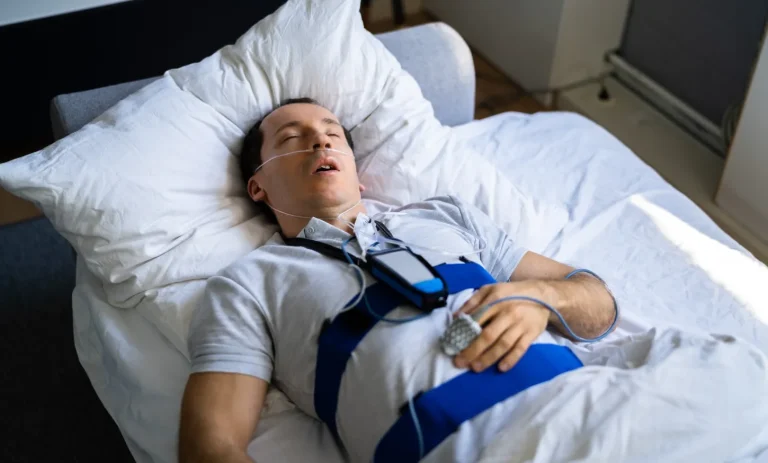
Specialists use several diagnostic tools to differentiate sleep-related fatigue from other medical causes. Blood work can identify anemia, thyroid problems, or vitamin deficiencies that cause exhaustion. Sleep studies specifically measure sleep architecture and breathing patterns. When multiple factors contribute, comprehensive testing identifies the primary drivers of fatigue.
What age groups benefit most from seeing sleep specialists?
While sleep disorders affect all age groups, adults aged 30-60 represent the largest population seeking sleep care. However, children experiencing bedwetting, behavioral issues, or academic problems may also benefit from evaluation. Older adults experiencing sleep pattern changes should consult specialists to distinguish normal aging changes from treatable disorders.
How long does it typically take to get a sleep study appointment?
Wait times vary significantly by location and provider urgency. Urgent cases, such as those involving severe sleep apnea with cardiovascular complications, often receive priority scheduling. Routine consultations typically require 2-4 weeks for initial appointments, with sleep studies scheduled shortly thereafter, depending on provider capacity.
Will treating sleep apnea require using a CPAP machine forever?
While CPAP therapy serves as the primary treatment for obstructive sleep apnea, alternatives exist for mild cases. Oral appliances, positional therapy, and weight loss can reduce or eliminate apnea events for some patients. Surgical options may be appropriate for specific anatomical issues. Treatment plans always consider individual preferences and medical requirements rather than applying one-size-fits-all solutions.
Can improving sleep hygiene resolve daytime fatigue without specialist intervention?
Many mild sleep issues respond well to improved sleep hygiene. Consistent sleep schedules, dark and cool bedrooms, limiting evening screen time, and avoiding caffeine close to bedtime often produce significant improvements. However, when these measures fail after 4-6 weeks of consistent implementation, underlying sleep disorders likely exist, requiring specialist evaluation.
Sources
- American Sleep Apnea Association – Provides comprehensive information about sleep apnea prevalence, symptoms, and treatment options, serving as a leading patient resource for sleep disorder education.
- National Institute of Mental Health – Offers authoritative information about seasonal affective disorder and its relationship to circadian rhythms and geographic factors affecting sleep patterns.
- National Highway Traffic Safety Administration – Provides official government statistics on drowsy driving incidents, demonstrating the serious safety implications of untreated sleep disorders and excessive daytime sleepiness.