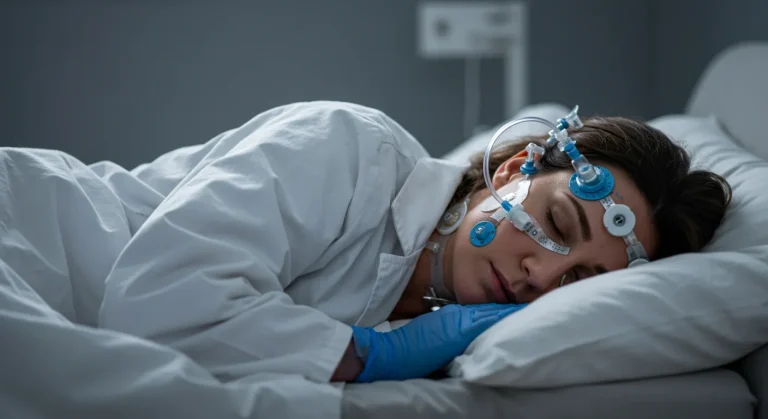
Mistakes To Avoid When Booking Your First Sleep Study
Booking a sleep study for the first time can feel confusing. You may have a referral in hand, a list of symptoms, and a general sense that something about your sleep is not right. Whether it is loud snoring, waking up gasping, or daytime fatigue that will not go away, getting the booking and preparation right matters. A poorly planned first sleep study can mean a rescheduled night, a harder time falling asleep in the lab, or questions left unanswered afterward. Below are the most common mistakes people make when booking their first sleep study, and how to avoid each one.
Waiting Too Long Before Scheduling
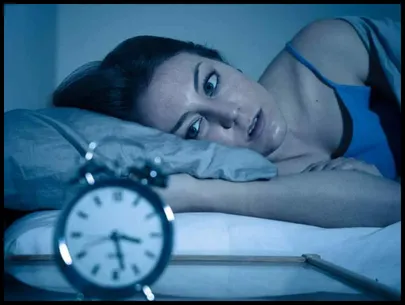
The biggest mistake is putting the appointment off. Many people convince themselves that snoring or restless nights are normal, or that they will get around to it eventually. Sleep problems that go undiagnosed rarely resolve on their own, and they can affect daytime energy, mood, and safety. If you are dealing with daytime fatigue that signals it is time to see a sleep specialist, that is worth acting on. At Vector there is no fixed waiting list: appointments are booked first come, first served, based on availability, so the sooner you call, the sooner you can get a night on the calendar.
Not Understanding the Type of Study You Need
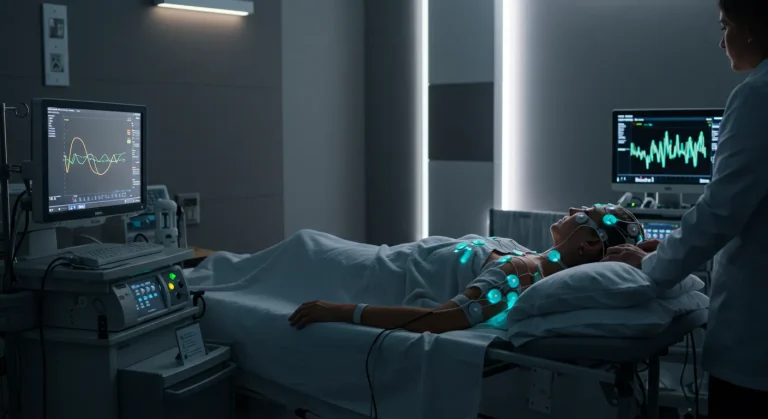
Not all sleep studies are the same. Some patients can be tested at home with a portable device, while others need an in-lab study, called polysomnography, for a fuller picture. The American Academy of Sleep Medicine describes an in-lab study as one that records your brain waves, heart rate, and breathing as you sleep, and also tracks eye, leg, and arm movements and your oxygen level (AASM Sleep Education, Sleep study). Your doctor decides which test fits your symptoms. Before you book, read our comparison of an at-home sleep study and an in-lab sleep study so you know what to ask.
Skipping the Conversation About Symptoms
Some people book a study without explaining what is actually going on. A clear description of your symptoms helps guide what the team watches for. If you cannot stay asleep, wake up repeatedly, or feel unrested after a full night in bed, say so directly, and bring notes from a bed partner about snoring or pauses in breathing. Understanding how a sleep study can identify the cause behind frequent waking helps you know which details to mention when you arrive.
Not Knowing What to Bring
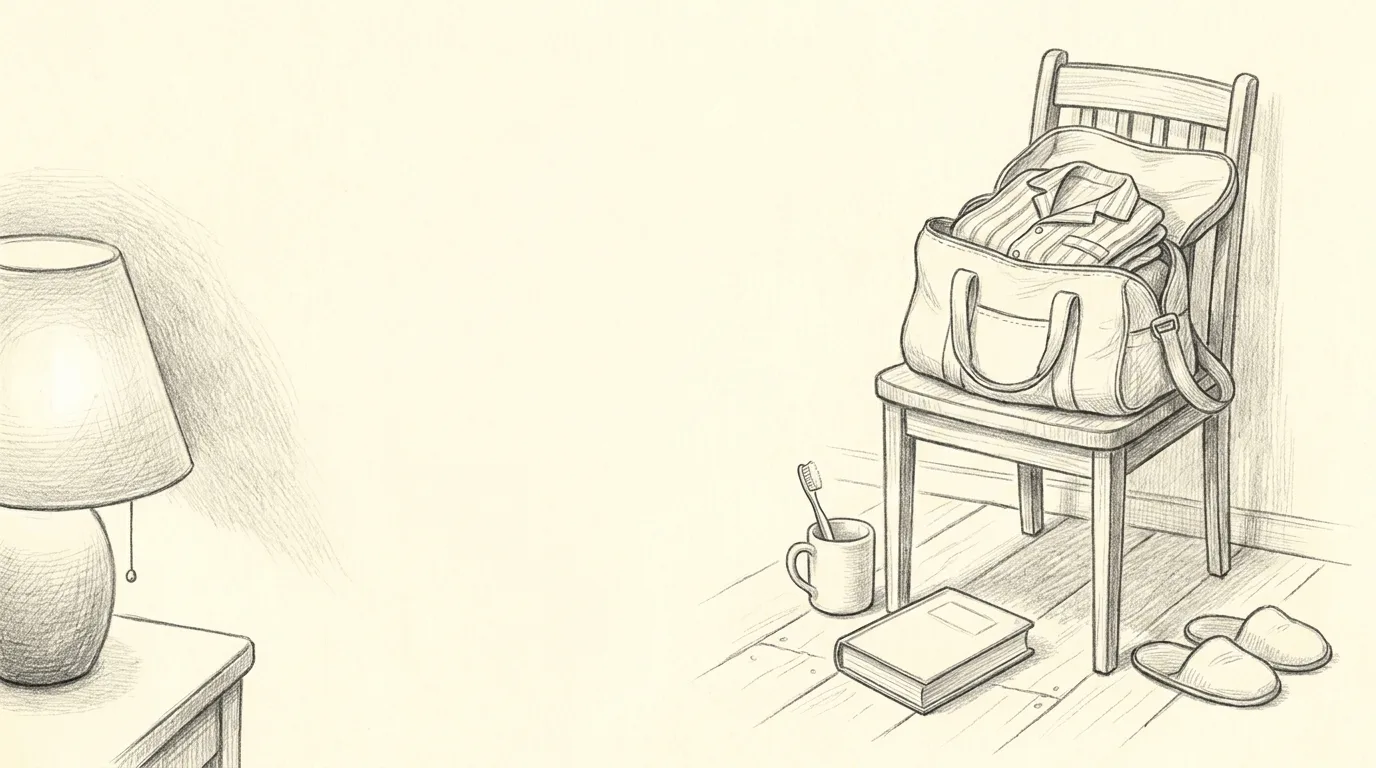
A sleep study means falling asleep somewhere new, which is hard enough without scrambling for something you forgot. The AASM suggests preparing as if you are staying at a hotel for a night: comfortable pajamas or clothes to sleep in, a toothbrush, toothpaste and floss, makeup remover, reading material, and clean clothes for the morning. Add your medication list and any insurance card or referral paperwork. Our guide on what to bring to your first sleep study appointment walks through a full checklist.
Ignoring the Day-Of Instructions
What you do on the day of the study affects how well it reflects your normal sleep. On the day of your study, the AASM advises that you follow your regular routine as much as possible, avoid napping, avoid caffeine after lunch, skip hair sprays or gels that can interfere with the recording, and avoid alcohol or other sedatives unless your doctor prescribed them. Your doctor may also ask you to pause certain medications, so ask before you stop anything on your own. Our article on how to prepare the night before your sleep study covers the rest.
Worrying That You Will Not Sleep at All
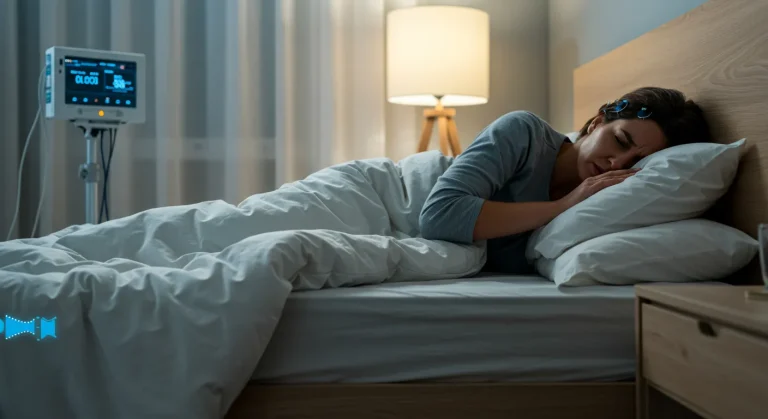
Many first-time patients put off booking because they are sure they will not sleep with sensors attached. The AASM notes that many patients do not sleep as well as they would at home, that this typically does not affect the results, that nearly everyone falls asleep during a sleep study, and that in most cases you do not need a full eight hours of sleep for the doctor to make a diagnosis. Keeping your usual routine in the days before helps too, and our list of bad sleep habits to avoid is a good place to start.
Confusing a Sleep Study With an EEG
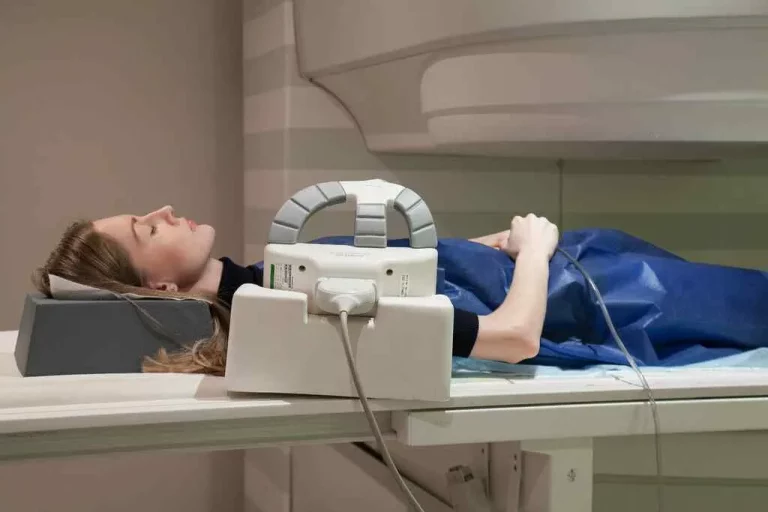
A sleep study and an EEG are not interchangeable. An EEG focuses on the brain’s electrical activity and is often used to evaluate seizures and other neurological concerns. A sleep study records a broader set of signals through the night, including breathing and oxygen level, to identify sleep disorders such as sleep apnea. Vector offers both: in-lab sleep studies and EEG studies, including prolonged EEG of 7 to 14 days. If your doctor ordered one, check which, and read how an EEG differs from a sleep study before you book.
Assuming All Testing Locations Are the Same
Where you have your study matters. Ask any center how long it has been testing, when overnight studies run, whether it takes your insurance, and who reads your study and explains the results. If you are comparing a home sleep test with a lab study, see how a home sleep test compares to an in-lab sleep study, and if you are weighing local options, our guide on how to choose a sleep clinic in Queens lists what to check.
Not Checking Insurance Before the Night
A surprise bill is an avoidable mistake. Call your insurance plan and the center before the study to confirm coverage and whether you need a referral or prior authorization. Vector accepts all major insurance plans, including Medicare and Medicaid. Our article on whether insurance covers a sleep study in New York explains what to ask.
Not Asking What Happens After the Study
The study is the start of the process, not the end. Before you book, ask how results are shared, who explains them, and what the next steps look like if the study finds sleep apnea or another sleep disorder. When a sleep study shows sleep apnea, treatment often starts with CPAP, and a clear plan for that follow-up conversation saves weeks of uncertainty.
Booking Your First Sleep Study at Vector
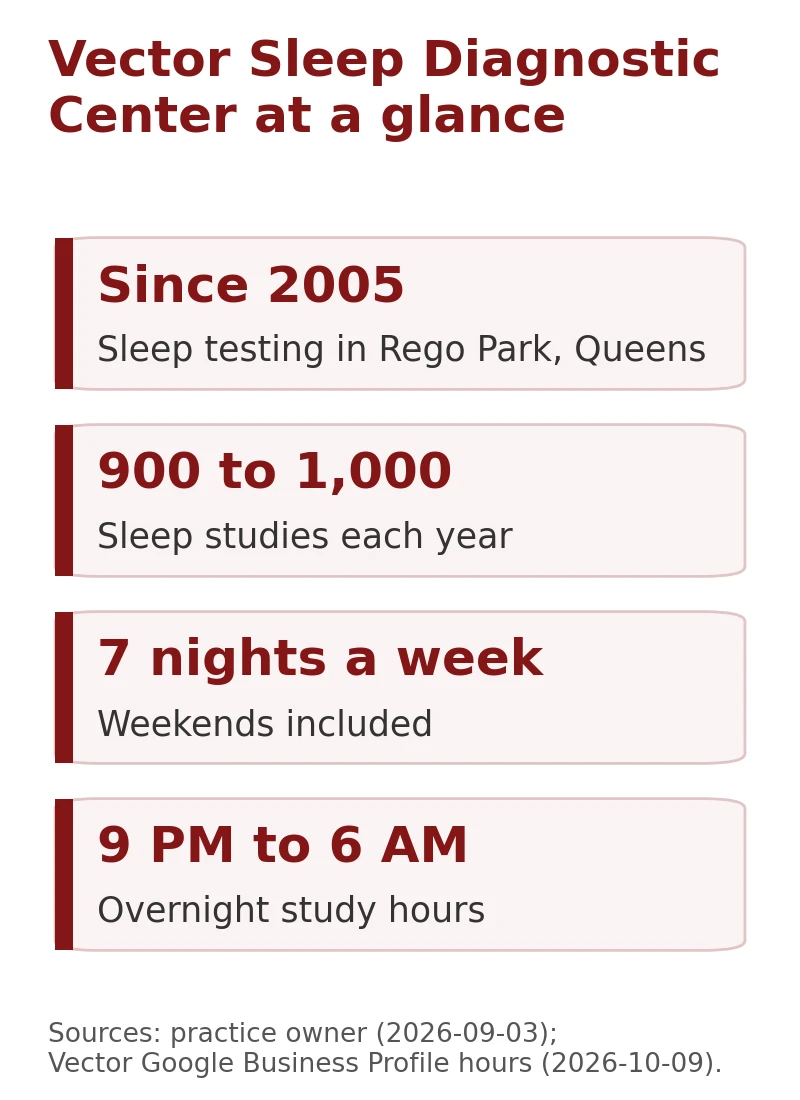
Vector Sleep Diagnostic Center is at 62-60 99th Street in Rego Park, Queens. In-lab sleep studies are our main service. We have run sleep testing since 2005, perform 900 to 1,000 sleep studies a year, and run overnight studies every night, including Saturday and Sunday, from 9 PM to 6 AM. Our medical director, Dr. Dmitriy Kolesnik, MD, is board certified in Neurology and Sleep Medicine. Street parking is available near the building.
Ready to book your first sleep study? Call Vector Sleep Diagnostic Center and our Rego Park team will walk you through the steps.
Ask About a Sleep Study at Vector
Send your details and our Rego Park team will contact you about testing and insurance.
Frequently Asked Questions
How do I know if I need a sleep study?
Common signs include loud snoring, gasping or choking during sleep, waking up often through the night, and daytime fatigue despite a full night in bed. If these sound familiar, ask your doctor whether a sleep study makes sense.
What should I avoid on the day of my sleep study?
The American Academy of Sleep Medicine advises avoiding naps, caffeine after lunch, hair sprays or gels, and alcohol or other sedatives unless prescribed. Follow your regular routine as closely as you can.
What if I cannot sleep during the study?
According to the AASM, many patients do not sleep as well as at home, this typically does not affect the results, and in most cases you do not need a full eight hours of sleep for a diagnosis.
How soon can I get a sleep study at Vector?
There is no fixed waiting list. Appointments are first come, first served, based on availability. Call (718) 830-2800 to find the next open night.
Does Vector accept insurance?
Yes. Vector accepts all major insurance plans, including Medicare and Medicaid. Call before your study to confirm coverage for your plan.
Your first sleep study goes more smoothly when you book it well. Call Vector Sleep Diagnostic Center in Rego Park at (718) 830-2800 or request an appointment online.