Sleep Disorders and Aging: The Neurobiological Mechanisms Behind Age-Related Sleep Changes

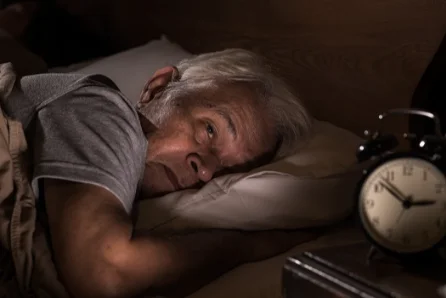
Most older adults accept disrupted sleep as an unavoidable consequence of getting older. What the research shows is more precise: aging produces specific, measurable changes in sleep architecture and circadian biology that systematically increase the risk of clinically significant sleep disorders. In New York City, where environmental stressors compound these physiological changes, the cumulative effect is pronounced. Understanding the neurobiological mechanisms — rather than attributing disrupted sleep to age itself — is the first step toward effective evaluation and treatment.
Key Entities
- Insomnia — Q178084 — 30–48% prevalence in adults 65+
- Obstructive Sleep Apnea — Q202387 — AHI ≥5 in 40–60% of adults 65+
- Restless Leg Syndrome — Q192520 — 10–35% prevalence in adults 65+
- Suprachiasmatic Nucleus — master circadian clock; neuronal loss and reduced oscillation amplitude with age
- Advanced Sleep-Wake Phase Disorder — ICSD-3 — circadian phase advance ≥2 hrs; increases in prevalence with age
Key Resources
- National Institute on Aging — Sleep and Older Adults
- American Academy of Sleep Medicine — Clinical Practice Guidelines
- Sleep Foundation — Sleep and Aging Research
- Journal of Clinical Sleep Medicine — Age-Related Sleep Studies
Aging produces specific neurobiological changes in sleep architecture, circadian regulation, and melatonin production that systematically increase the risk of insomnia, OSA, RLS, and circadian disorders. In NYC, environmental stressors including artificial light at night, noise pollution, and polypharmacy amplify these age-related vulnerabilities. This article covers the physiological mechanisms, prevalence data by condition, and evidence-based treatment approaches for sleep disorders in adults 65 and older.
How Aging Alters Sleep Architecture
Sleep architecture describes the cycling pattern of sleep stages across the night. In healthy young adults, sleep consists of roughly 20–25% slow-wave sleep (SWS, also called N3 or deep sleep), 20–25% REM sleep, and the remainder in lighter NREM stages. With age, this balance shifts in clinically significant ways.
Slow-wave sleep declines progressively beginning in the fourth decade of life. By the time adults reach their seventies, SWS frequently falls below 10% of total sleep time — sometimes approaching zero in older men. This matters clinically beyond simple sleep depth: SWS is the primary window for glymphatic system activity, the brain’s overnight clearance mechanism for metabolic waste including beta-amyloid and tau protein. The connection between reduced SWS in aging and increased Alzheimer’s disease risk is supported by a growing body of literature documenting bidirectional disruption between amyloid accumulation and sleep fragmentation.
Sleep efficiency — the ratio of actual sleep time to time spent in bed — also declines with age. Older adults experience more frequent awakenings and higher WASO (wake after sleep onset), spending more time in lighter sleep stages rather than consolidating in deeper ones. Sleep latency increases. Total sleep time decreases even as time in bed stays constant or increases. The net clinical picture is fragmented, less restorative sleep that does not constitute pathology in isolation but creates biological vulnerability to formal sleep disorders.
Circadian Biology Changes With Age
The master circadian clock resides in the suprachiasmatic nucleus (SCN) of the hypothalamus. With aging, the SCN undergoes neuronal loss, reduced amplitude of circadian firing patterns, and diminished responsiveness to light entrainment cues. The practical consequence is weaker circadian rhythms — lower amplitude peaks, higher troughs — which destabilizes the sleep-wake cycle and reduces the strength of the biological signal that promotes consolidated nighttime sleep.
The most clinically recognizable circadian change with aging is phase advancement: the tendency for older adults to become sleepy earlier in the evening and to wake earlier in the morning. When this advancement exceeds two hours from socially conventional timing, it meets criteria for Advanced Sleep-Wake Phase Disorder (ASWPD). In New York City, where household schedules, caregiving demands, and social rhythms often run late, this phase mismatch creates specific difficulty for older residents managing evening obligations.
Melatonin production declines with age due to progressive calcification of the pineal gland. The dim-light melatonin onset (DLMO) advances in parallel with the circadian phase, but the amplitude — the peak concentration achieved — falls substantially. This reduced melatonin signal weakens the circadian entrainment cue that promotes nighttime sleep consolidation. The effect is compounded in older adults prescribed beta-blockers for cardiovascular conditions: lipophilic beta-blockers such as propranolol and metoprolol cross the blood-brain barrier and suppress melatonin synthesis through pineal beta-1 receptor blockade, amplifying the age-related melatonin deficit.
The Most Prevalent Sleep Disorders in Adults Over 65
Against this backdrop of altered sleep biology, several sleep disorders increase substantially in prevalence with age.
Insomnia affects approximately 10–15% of working-age adults but rises to 30–48% in adults aged 65 and older. Age-related insomnia is predominantly of the maintenance subtype — the difficulty lies not in falling asleep but in staying asleep. Nocturia (awakening to urinate) is the most commonly reported trigger for sleep maintenance insomnia in older adults. Chronic pain, neuropathy, and medication side effects are additional drivers, creating a clinical picture that requires systematic evaluation rather than attribution to aging.
Obstructive sleep apnea (OSA) shows a steep age-related prevalence curve. Studies using an apnea-hypopnea index (AHI) threshold of ≥5 events per hour find OSA in 40–60% of adults over 65, compared to roughly 25% in adults aged 30–50. The mechanisms are multiple: pharyngeal muscle tone declines with age, increasing upper airway collapsibility; fat distribution deposits more parapharyngeal tissue; ventilatory control becomes less responsive to hypoxic arousal. Older adults also tolerate higher AHI values before exhibiting the daytime consequences that drive younger patients to evaluation, which delays diagnosis.
Restless leg syndrome (RLS) affects 10–35% of adults aged 65 and older. The idiopathic form tends to worsen with age, and iron deficiency — common in older adults due to decreased dietary absorption and gastrointestinal conditions — frequently amplifies RLS severity. Ferritin levels below 75 ng/mL are associated with worse RLS symptoms regardless of hemoglobin status and represent a modifiable treatment target before dopaminergic pharmacotherapy.
Periodic limb movement disorder (PLMD) also increases with age and is frequently comorbid with RLS. PLMD-related arousals contribute to sleep fragmentation without the patient being aware of the cause, producing complaints of non-restorative sleep that are difficult to attribute without polysomnography.
New York City Environmental Stressors as Compounding Factors
The urban environment of New York City introduces specific stressors that amplify age-related sleep vulnerability beyond what physiological aging alone would produce.
Artificial light at night (ALAN) is the most significant environmental circadian disruptor. New York City produces among the highest levels of ALAN of any U.S. metropolitan area — blue-spectrum light from street lighting, commercial signage, and building illumination suppresses melatonin and delays circadian phase. For older adults whose melatonin amplitude is already reduced and whose SCN entrainment is weakened, this additional suppression is clinically meaningful. Residents in apartments with eastern or southern exposures, or those near commercial corridors, are particularly vulnerable to circadian misalignment from ALAN exposure.
Noise pollution disrupts sleep through arousal mechanisms that are more pronounced in older sleepers. Older adults have a lower arousal threshold for environmental noise — traffic, subway vibration, construction, and nightlife sounds that younger adults may habituate to cause arousals and brief awakenings in older sleepers. Each arousal, even without conscious waking, shifts sleep into a lighter stage and reduces SWS and REM time across the night.
Social isolation is underrecognized as a sleep risk factor in older NYC residents. Older adults living alone — a substantial proportion in Manhattan and Brooklyn — show higher rates of insomnia and depression compared to those with regular social contact. The insomnia-depression relationship in older adults is bidirectional and reinforcing: insomnia predicts onset of major depressive disorder, and depression degrades sleep continuity and architecture.
Polypharmacy is prevalent in older adults managing multiple chronic conditions, and many commonly prescribed medications directly worsen sleep. Beta-blockers, corticosteroids, dopamine antagonists, antihistamines, and opioids each carry specific mechanisms of sleep disruption. Understanding which medications worsen sleep and the pharmacological mechanisms involved is essential for clinicians evaluating older patients where age-related sleep changes and drug-induced sleep disruption may be occurring simultaneously.
Cognitive and Cardiovascular Implications of Untreated Sleep Disorders in Aging
The stakes of untreated sleep disorders in older adults extend substantially beyond daytime fatigue. Accumulating evidence links disrupted sleep — specifically, reduced slow-wave sleep — to accelerated beta-amyloid accumulation. The glymphatic system, which clears amyloid and tau via cerebrospinal fluid flow through perivascular channels, is most active during N3 sleep. Chronic SWS reduction, whether from OSA, insomnia, or age-related sleep fragmentation, reduces the efficiency of this overnight clearance mechanism.
OSA in older adults carries additional cardiovascular risk beyond what is observed in younger cohorts: nocturnal hypoxemia contributes to atrial fibrillation, hypertension, and right heart strain. Effective CPAP treatment reduces atrial fibrillation recurrence rates and improves blood pressure control in older treated patients, supporting the framing of sleep disorder evaluation in older adults as a direct cardiovascular and cognitive health intervention rather than a quality-of-life consideration alone.
Diagnostic Considerations in the Older Adult Population
Evaluation of sleep disorders in older adults requires modification of standard clinical assumptions. Older adults frequently underreport sleep complaints, attributing disrupted sleep to aging and not raising it with their physician. When complaints are raised, standard questionnaires — the Epworth Sleepiness Scale, Pittsburgh Sleep Quality Index — may underperform because older adults adapt their behavior to sleep loss through napping and activity withdrawal rather than reporting sleepiness in the way that drives high questionnaire scores in younger patients.
Polysomnography remains the gold standard for evaluating OSA, PLMD, and parasomnias in older adults. Age-specific AHI interpretation matters: an AHI of 15+ events per hour in an adult over 65 is clinically significant even if daytime symptoms are absent or understated. For patients presenting with both cognitive symptoms and sleep complaints, neuropsychological screening and actigraphy-based circadian assessment add diagnostic value beyond the overnight study. The broader pattern of urban risk factors that elevate sleep disorder risk across all age groups is amplified in older adults through the neurobiological vulnerabilities described above, making the NYC context particularly relevant for clinical evaluation.
Treatment Approaches for Age-Related Sleep Disorders
Effective treatment of sleep disorders in older adults requires age-adjusted protocols across all major conditions.
For insomnia, CBT-I (cognitive behavioral therapy for insomnia) is the recommended first-line intervention for adults of all ages, with evidence in adults 60+ demonstrating comparable or superior durability to pharmacological approaches. Sedative-hypnotics require particular caution in older adults: benzodiazepines increase fall risk and worsen OSA; diphenhydramine-containing OTC sleep aids — marketed as sleep aids in products like Benadryl, ZzzQuil, and Unisom — worsen RLS and carry anticholinergic risks including cognitive impairment. Short-acting non-BZD receptor agonists may be appropriate in select cases with specialist oversight.
For OSA, CPAP adherence in older adults benefits from careful initial titration, appropriate mask fitting, and short-term follow-up — older patients often require an adjustment period before integrating CPAP into their routine. Positional therapy and mandibular advancement devices are options when CPAP adherence cannot be achieved.
For RLS, iron optimization targeting ferritin ≥75 ng/mL is first-line before dopaminergic medications, which carry augmentation risk with long-term use. Medication reconciliation — identifying dopamine-antagonist medications (including antipsychotics, metoclopramide, promethazine) and adjusting timing or substituting alternatives — can substantially reduce RLS severity without adding new pharmacotherapy.
For ASWPD, evening bright light therapy (10,000 lux, 7–9 PM, 30 minutes) delays circadian phase. Low-dose melatonin (0.5–1 mg) taken in the morning can further delay phase in ASWPD, though timing and dosage require specialist guidance. Beta-blocker patients benefit from consideration of hydrophilic alternatives — atenolol, for example, does not cross the blood-brain barrier and therefore does not suppress pineal melatonin synthesis, addressing one modifiable pharmacological driver of sleep disruption in older adults.
Frequently Asked Questions: Sleep Disorders and Aging
How does sleep change naturally as you age?
Aging produces measurable changes in sleep architecture: slow-wave sleep (N3) declines from approximately 20% in young adults to below 10% in adults over 70, REM sleep decreases, sleep efficiency falls, and wake after sleep onset increases. Circadian timing advances, with older adults tending toward earlier sleep and wake times. These changes create vulnerability to clinical sleep disorders but are not disorders in themselves — they become pathological when they produce clinically significant symptoms or impair daytime function.
What sleep disorders are most common in older adults?
Insomnia is the most prevalent, affecting 30–48% of adults aged 65 and older versus 10–15% of working-age adults. Obstructive sleep apnea is found in 40–60% of adults over 65 using AHI ≥5 criteria. Restless leg syndrome affects 10–35% of older adults. Periodic limb movement disorder increases with age and is frequently comorbid with RLS. Advanced Sleep-Wake Phase Disorder becomes more common as circadian amplitude declines.
Is poor sleep in older adults a normal part of aging or a sign of a disorder?
Some sleep architecture changes are a normal feature of aging — reduced slow-wave sleep, lighter sleep, earlier waking. However, clinically significant symptoms — difficulty falling or staying asleep most nights, significant daytime fatigue, witnessed breathing pauses during sleep, uncomfortable leg sensations at rest — are not normal aging and respond to treatment. The most common error in older adult sleep care is attributing treatable conditions to age, which delays evaluation and allows underlying disorders to progress.
Can treating sleep disorders help prevent cognitive decline in older adults?
Evidence is accumulating that addressing sleep disorders — particularly OSA and severe insomnia with reduced slow-wave sleep — may support cognitive health in older adults. The glymphatic system, which clears beta-amyloid and tau from the brain, is most active during N3 sleep. Improving sleep architecture in patients with OSA or insomnia may support overnight amyloid clearance, though causality in prospective human studies has not been definitively established. Treating sleep disorders is warranted regardless of the cognitive benefit given the cardiovascular, metabolic, and quality-of-life evidence.
What sleep evaluation options are available for older adults at Vector Sleep Diagnostic Center?
Vector Sleep Diagnostic Center offers in-lab polysomnography (the gold standard for diagnosing OSA, PLMD, REM sleep behavior disorder, and complex presentations), home sleep apnea testing for appropriate candidates, specialist consultation for insomnia and circadian disorders including ASWPD, and CPAP titration. Older adult patients presenting with cognitive symptoms alongside sleep complaints can receive evaluation that addresses both components. Contact (718) 830-2800 to discuss which evaluation is appropriate for your clinical presentation.
About the Author
This article was reviewed by Dr. Dmitriy Kolesnik, MD, Medical Director of Vector Sleep Diagnostic Center since 2009, board-certified in Sleep Medicine and Neurology. Dr. Kolesnik has served as Clinical Instructor in Neurology at Weill Medical College of Cornell University since 2012. Vector Sleep Diagnostic Center serves patients from across the New York metro area with in-lab polysomnography, home sleep apnea testing, and specialist consultations for insomnia, OSA, RLS, and circadian disorders. If you or a family member is experiencing sleep difficulties associated with aging, formal evaluation is the first step toward identifying whether a treatable condition is present — contact us to arrange a sleep study evaluation.
Schedule a sleep evaluation at Vector Sleep Diagnostic Center or call (718) 830-2800 to speak with Dr. Kolesnik’s team.