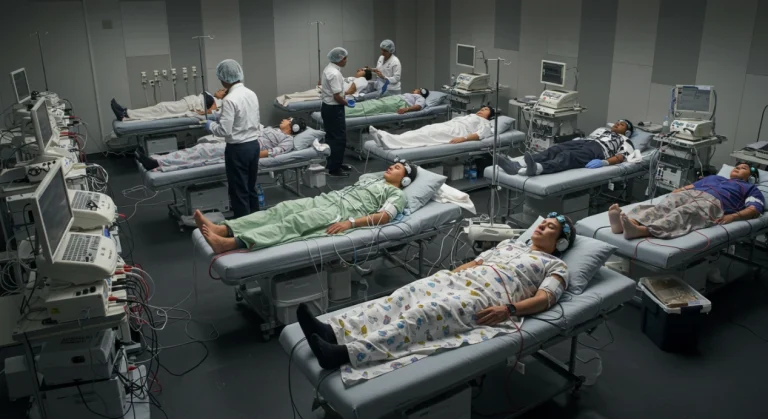
Best Time of Year to Schedule Your Sleep Study
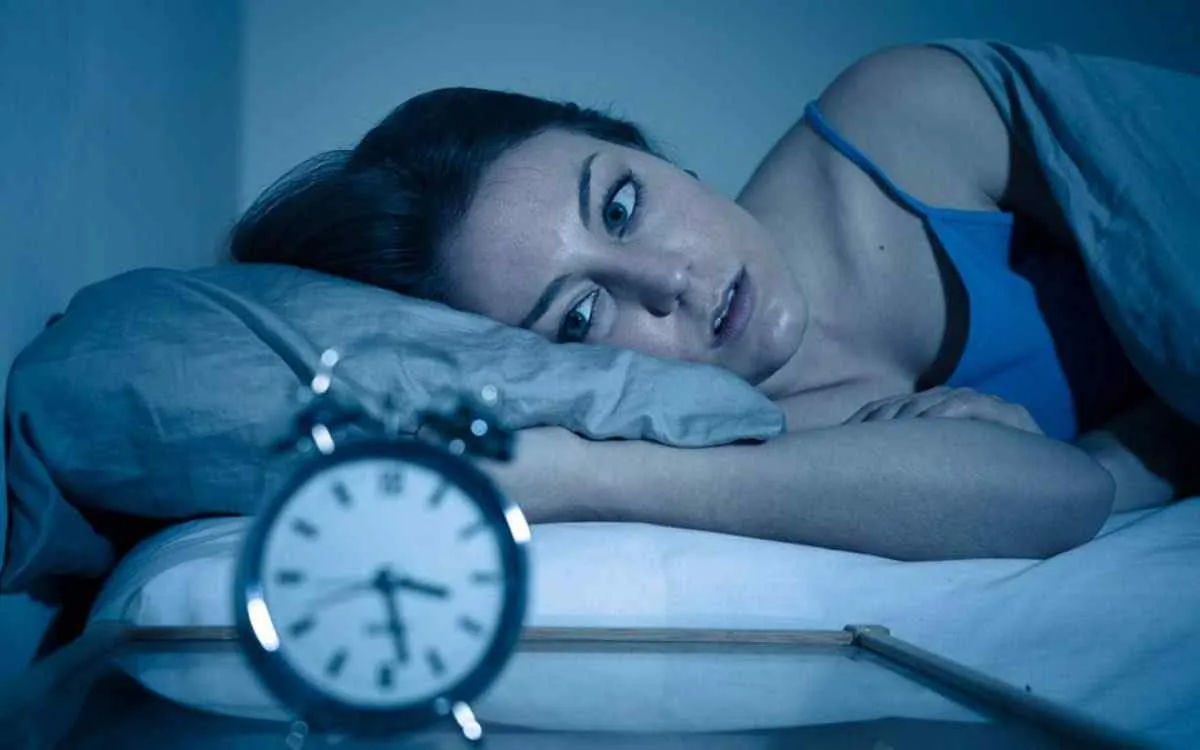
If a doctor has told you that you might have sleep apnea or another sleep disorder, you may be wondering when the best time is to schedule the sleep study itself. The honest answer is that a sleep study is worth booking whenever your symptoms are affecting your health, but there are practical reasons some times of year work better than others. At Vector Sleep Diagnostic Center in Rego Park, Queens, which has run sleep testing since 2005, we help patients from across New York City fit their appointment around work, school calendars, travel, and the seasonal patterns that quietly affect sleep itself.
This guide walks through how the calendar, your daily routine, and your symptoms all play into timing your sleep study, so you can choose a window that fits your life instead of adding one more source of stress.
Why Timing Matters More Than People Think
A sleep study is meant to capture a realistic night of sleep, or as close to one as possible, so your results reflect what is actually happening in your body. If you book during an unusually chaotic stretch, such as the week before a move, a period of heavy travel, or a run of late nights before a work deadline, your study night may not look like your usual sleep. You do not need a perfect night to get useful results. Picking a window where your sleep is at least somewhat typical for you simply gives your doctor a clearer picture.
That is one reason a consistent sleep schedule in the days before your study is worth the effort.
Fall and Winter: When Sleep Problems Often Feel Worse
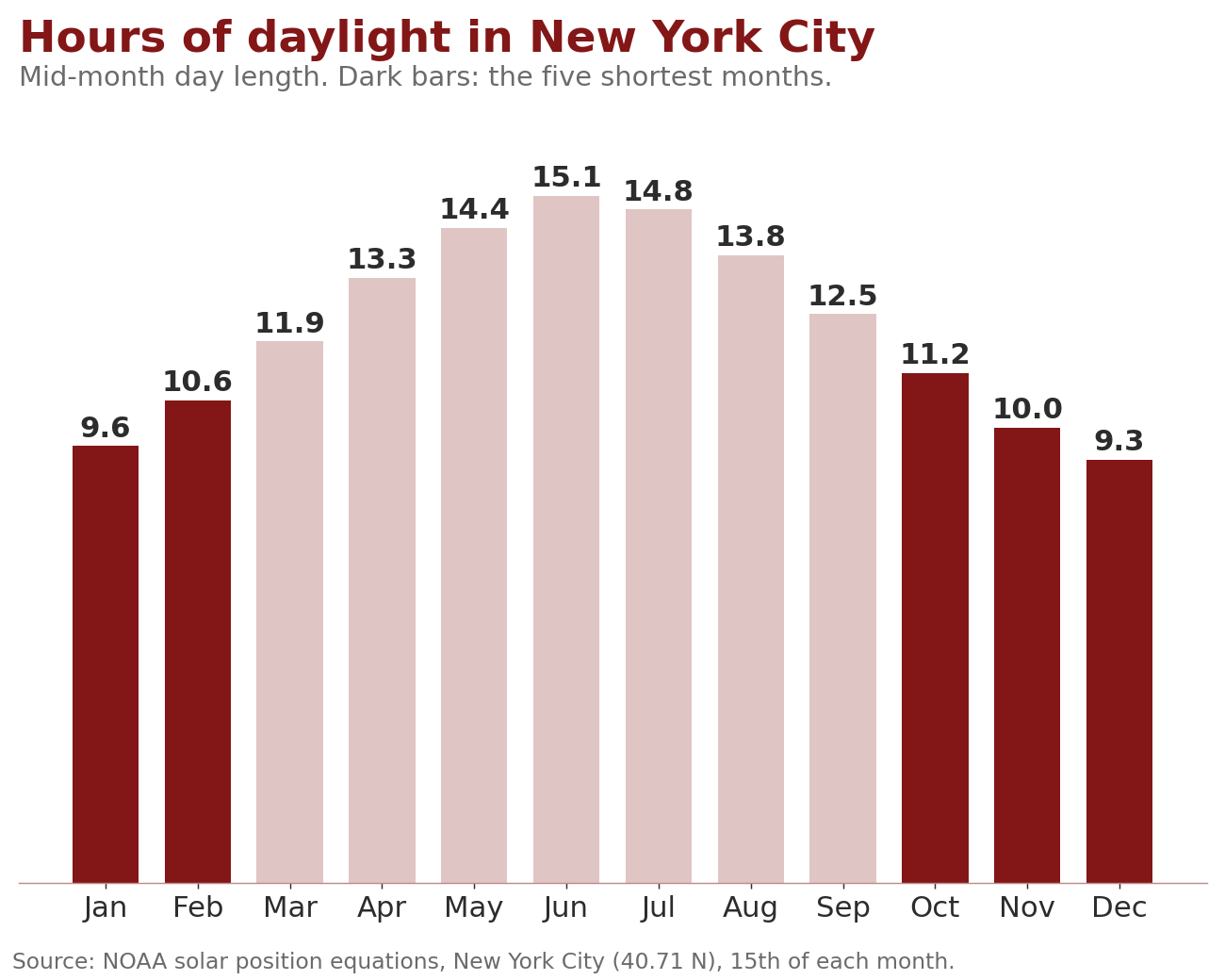
Many people notice their sleep feels worse once the weather turns colder and the days get shorter. New York City gets about 15 hours of daylight in mid-June but only about 9 hours in mid-December, and less daylight can shift your body clock and sleep pattern. Add more time indoors, holiday stress, and heavier holiday meals, and snoring, waking up gasping, or feeling unrested can become harder to ignore. For many people, fall and winter are when they finally decide to get checked.
Getting answers before the new year
Booking in the fall also means you are not waiting through the whole holiday season feeling exhausted. If treatment such as a CPAP machine ends up being recommended, getting the study done earlier gives you a head start.
Spring and Summer: Fewer Distractions, More Flexibility
Spring and summer often bring more flexible schedules, especially for families with school-age children, teachers, and anyone whose work slows down in the warmer months. If your symptoms are milder or you have been managing them for a while, the quieter months can be a good time to finally get the study done without holidays, school schedules, or cold and flu season getting in the way.
Longer, steadier daylight can also make it easier to keep a stable bedtime and wake time in the days before your appointment.
Around Holidays, Travel, and Time Changes: What to Avoid
In any season, some windows are harder for testing and for your own convenience. Booking right before or after a major holiday, during a week of heavy travel, or in the first days after the switch to or from daylight saving time can all throw off your normal sleep pattern. If you have a trip with jet lag or another schedule disruption coming up, it usually makes sense to book your study a week or two before or after it.
The days right before your appointment matter too. Our guide to the night before your sleep study covers what to avoid eating and drinking and how to show up ready.
Matching the Season to Your Symptoms
Sleep problems do not show up the same way for everyone across the year. For some patients, symptoms such as loud snoring, gasping awake, or a bed partner noticing pauses in breathing are fairly constant. Others notice symptoms that rise and fall with allergy season, weight changes, or shifts in routine. If your symptoms tend to peak at a certain time of year, that can be a sensible window to schedule, since the study may capture your sleep when your symptoms are most noticeable. Talk it over with your doctor.
If you are not sure whether what you are dealing with needs a sleep study at all, read our guide to the signs your sleep issues need medical attention.
Work and School Calendars: Planning Around Real Life
For a lot of New Yorkers, the biggest scheduling factor is not the weather at all, it is work and school. Parents often find it easier to book during school breaks when childcare is simpler. People with demanding jobs may prefer a slower work week so they are not heading straight from the study into a high-pressure day.
In-lab or at home
Vector offers in-lab sleep studies at our Rego Park location, and home testing can be an option for some patients with suspected sleep apnea. An in-lab study means planning around your commute and the next morning, while a home test is done in your own bed. Our comparison of at-home versus in-lab sleep studies can help you see which fits your situation, and your doctor will advise which test is appropriate.
Why Waiting Too Long Has Its Own Cost
There is no perfect month, and waiting indefinitely for the ideal time has a cost of its own. Sleep apnea symptoms affect your days, not just your nights. The National Heart, Lung, and Blood Institute lists “daytime sleepiness and tiredness, which can lead to problems with learning, focusing, and reacting” among the symptoms (NHLBI: sleep apnea symptoms). If you have trouble falling asleep, staying asleep, or waking up rested no matter the season, that is a reason to act rather than schedule around it.
If your main issue is waking up again and again through the night, our article on how a sleep study can find the cause of interrupted sleep explains what the testing looks for.
A Simple Way to Pick Your Study Date
If you are still unsure, these four steps narrow it down quickly:
- Look at the next two months and cross out any week with travel, a holiday, a move, or a daylight saving time change.
- Pick a night when you do not have an early or high-pressure start the next morning.
- Plan about a week of regular bedtimes and wake times leading up to that night.
- If your symptoms are getting worse, choose the earliest open date rather than waiting for a quieter season.
Bring your calendar when you call so the scheduling conversation takes a few minutes, not several calls.
How Vector Helps You Pick the Right Time
Vector Sleep Diagnostic Center has been testing patients in Queens since 2005 and runs 900 to 1,000 sleep studies a year. In-lab sleep studies are the core of what we do, and we also run EEG studies, including prolonged EEG monitoring over 7 to 14 days. We accept all major insurance plans, including Medicare and Medicaid. When you call, our team in Rego Park can talk through your work schedule, school calendar, and travel plans to find a study date that fits. You can also read more about sleep studies in New York or our Rego Park location.
Ready to pick a date? Call Vector Sleep Diagnostic Center and we will help you find a study night that fits your schedule.
Request a Sleep Study Appointment
Prefer to write instead of call? Send your details and the dates that work for you, and our Rego Park team will contact you to schedule.
Frequently Asked Questions
Is there one best month to schedule a sleep study?
Not exactly. The right timing depends more on your symptoms, your schedule, and avoiding travel or major disruptions than on a specific month. Many people notice symptoms more in the darker months, while spring and summer often offer more flexible schedules.
Should I wait until after the holidays to get tested?
If your symptoms are affecting your daily life, it is generally better not to wait. If they are milder, scheduling once your routine settles after the holidays can make it easier to keep a steady sleep schedule beforehand.
Does travel or jet lag affect sleep study results?
It can. Travel across time zones shifts your body clock for a few days, so your sleep on the study night may not look like a typical night. It is usually better to book for a stretch when your routine is back to normal.
What about the switch to or from daylight saving time?
The clock change moves your schedule by an hour overnight. Leaving a few days after a time change before your study gives your routine time to settle.
What should I do in the days before my appointment, in any season?
Keep a regular bedtime and wake time, avoid unusual amounts of alcohol or caffeine, and follow the preparation instructions you receive before your visit. Our night-before guide covers the details.
If you have been putting off a sleep study while waiting for the right time, the most useful step is simply getting started. Call Vector Sleep Diagnostic Center in Rego Park at (718) 830-2800 or request an appointment online, and our team will help you find a time that works.