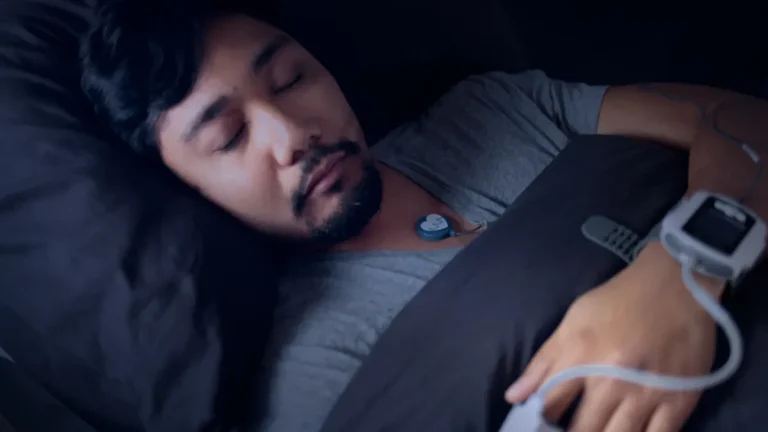
How Accurate Are Sleep Studies in Diagnosing Disorders?
Sleep studies are highly accurate diagnostic tools, but their precision varies significantly depending on the type of test performed and the specific disorder being evaluated. In-lab polysomnography (PSG), considered the gold standard for sleep disorder diagnosis, achieves sensitivity rates between 92-96% and specificity rates between 85-91% for detecting obstructive sleep apnea. Portable home sleep tests, while more accessible, typically show sensitivity rates of 79-95% but have lower specificity, sometimes missing mild cases or other sleep disorders that fall outside their detection parameters.
At our sleep diagnostic center, we frequently encounter patients who wonder whether a sleep study will truly identify their problem. The short answer is yes, these tests work well, but understanding which test fits your situation matters enormously. The diagnostic accuracy you can expect depends on three key factors: the type of sleep study you undergo, the disorder your healthcare provider suspects, and whether you have other medical conditions that might complicate the results.
Understanding the Four Levels of Sleep Testing
Sleep studies fall into four distinct categories, each offering different levels of diagnostic capability. Knowing these differences helps you understand why one test might be recommended over another for your specific situation.
Level 1 polysomnography represents the most comprehensive evaluation available. During this in-laboratory test, technicians monitor brain waves, eye movements, heart rhythm, breathing patterns, blood oxygen levels, and muscle activity throughout the night. This full-spectrum approach allows specialists to identify not just sleep apnea, but also narcolepsy, periodic limb movement disorder, parasomnias, and other conditions that limited home tests cannot detect.
Level 2 testing uses identical sensors to Level 1 but occurs in your home without technician supervision. Research published by the Agency for Drugs and Technologies in Health found that Level 2 PSG achieved 80% sensitivity and 83% specificity compared to in-clinic testing. This means out of every 100 people with obstructive sleep apnea, Level 2 testing correctly identifies approximately 80, while missing about 20 cases.
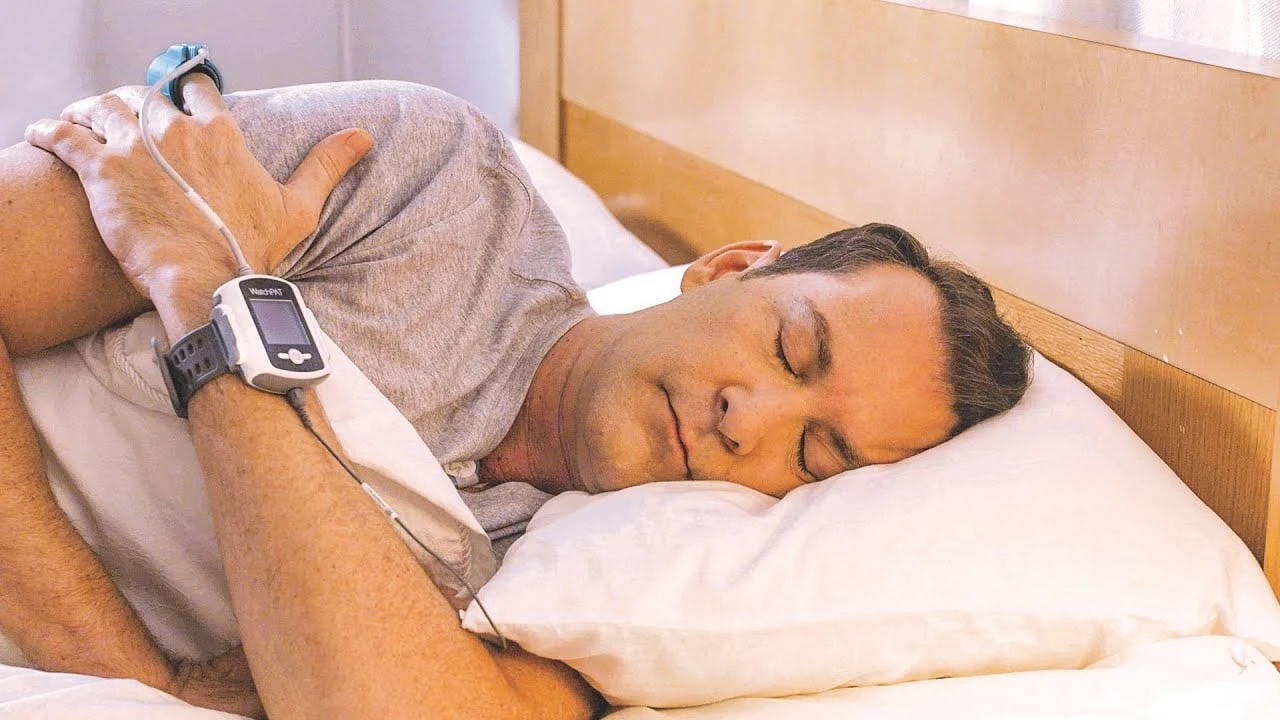
Level 3 portable monitors represent the most commonly used home sleep apnea test. These devices track breathing patterns, oxygen saturation, and chest movement, but they cannot measure sleep stages, brain activity, or detect conditions unrelated to breathing. A comprehensive systematic review published in the Canadian Medical Association Journal found that Level 3 devices achieved summary sensitivity between 79-97% and specificity between 60-93%, with accuracy improving significantly when disease severity increased.
Level 4 single or dual-channel monitors provide the most basic assessment, typically measuring only oxygen levels or one additional parameter. These tests work well as screening tools but lack the sophistication needed for definitive diagnosis in most cases.
How Disease Severity Affects Test Accuracy
The accuracy of sleep studies does not remain constant across all patients. Instead, these tests perform better when identifying more severe conditions, which creates important implications for patient evaluation.
When using an apnea-hypopnea index cutoff of 30 events per hour (severe obstructive sleep apnea), in-laboratory polysomnography achieved 97% sensitivity and 93% specificity in clinical studies. However, when evaluating milder disease at an index cutoff of 5 events per hour, sensitivity dropped to 96% while specificity fell to 76%. This pattern means that patients with mild sleep apnea face a higher likelihood of receiving a false negative result compared to those with moderate or severe presentations.
This variation explains why healthcare providers often recommend in-laboratory testing for patients with subtle symptoms or those whose initial home testing came back negative despite clear clinical signs of a sleep disorder. The more comprehensive monitoring captures lower-frequency events that portable devices might overlook.
Conditions Sleep Studies Can and Cannot Detect
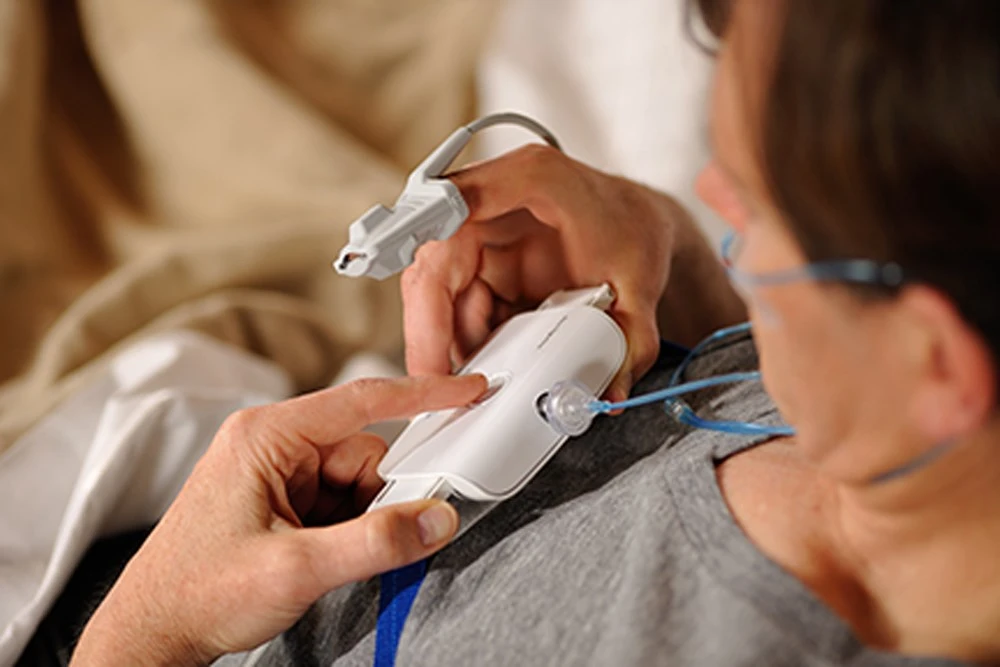
Polysomnography excels at identifying respiratory sleep disorders, particularly obstructive sleep apnea and central sleep apnea. The technology catches breathing interruptions, oxygen desaturation events, and associated sleep fragmentation with remarkable reliability.
However, these tests face limitations when evaluating other conditions. Narcolepsy diagnosis, for instance, requires additional testing beyond standard polysomnography, specifically the Multiple Sleep Latency Test conducted during the following day. This separate examination measures how quickly you fall asleep and whether you enter rapid eye movement sleep during scheduled nap periods.
Similarly, certain types of insomnia present diagnostic challenges because the conditions stem from neurological or psychological factors rather than measurable physiological disruptions during sleep. In these cases, sleep studies confirm that physical sleep architecture appears normal despite subjective complaints of poor sleep.
Sleep-related movement disorders like restless legs syndrome may also escape detection if the characteristic leg movements occur infrequently during the recorded portion of the night. Technicians typically need patients to experience multiple movement episodes to establish a definitive pattern.
Things to Consider Before Making a Decision
Before undergoing any sleep study, evaluate several factors that influence which test will serve you best.
Symptom presentation matters significantly. Loud snoring combined with witnessed breathing pauses and excessive daytime sleepiness strongly suggests obstructive sleep apnea, making home testing a reasonable first step. However, complex symptoms involving multiple sleep complaints, unusual nighttime behaviors, or daytime fatigue without clear breathing issues typically warrant comprehensive in-laboratory evaluation.
Your medical history shapes testing recommendations. Patients with heart failure, chronic obstructive pulmonary disease, or neuromuscular conditions often require more thorough monitoring because they face a higher risk of central sleep apnea or complex breathing patterns that home devices cannot adequately assess.
Consider your schedule and logistics. In-laboratory studies require spending a night away from home with sensors attached to your body. Some patients experience anxiety that affects their ability to sleep normally in that environment, potentially skewing results. Home testing offers comfort but sacrifices the immediate technical support and verification that laboratory settings provide.
Think about what happens after the test. If your results prove inconclusive or borderline, you may need repeat testing with a more comprehensive method. Starting with the appropriate test for your suspected condition avoids wasted time and potential frustration.
Verify insurance coverage and provider expertise. Some insurance plans cover home testing more readily than laboratory studies, while others require failure of home testing before authorizing in-laboratory polysomnography. Understanding your plan’s requirements prevents unexpected expenses.
When False Results Occur
No diagnostic test achieves perfect accuracy, and understanding where errors happen helps you interpret your results appropriately.
False negatives surface most frequently when patients fail to sleep long enough during testing. Most protocols require a minimum of two hours of recorded sleep for valid results, though longer sleep periods produce more reliable data. Patients who struggle to fall asleep in laboratory settings or who remove home testing equipment prematurely may receive falsely reassuring results despite having a significant sleep disorder.
False positives occur less commonly but can result from equipment malfunction, sensor displacement, or misinterpretation of movement artifacts as breathing events. Home tests prove particularly vulnerable to this issue when patients share their bed with pets or partners whose movements trigger false respiratory event recordings.
Environmental factors also influence accuracy. High altitude locations produce different oxygen saturation patterns that standard diagnostic algorithms may interpret incorrectly. Similarly, patients with significant nasal congestion or upper respiratory infections may exhibit respiratory patterns that mimic obstructive events.
Achieving Accurate Diagnosis
Sleep studies provide reliable diagnostic information for most patients, with in-laboratory polysomnography offering the highest accuracy across the broadest range of sleep disorders. Home testing serves as an effective initial assessment for uncomplicated suspected obstructive sleep apnea while reducing wait times and increasing accessibility.
The most important step you can take involves discussing your symptoms thoroughly with your healthcare provider. Clear communication about your sleep complaints, daytime functioning, and medical history enables your physician to select the testing approach most likely to yield accurate results for your specific situation.
If you have questions about whether a sleep study might benefit you, contact Vector Sleep Diagnostic Center at vectorsleep@gmail.com or call +1 718-830-2800. Our team reviews your symptoms and helps determine the most appropriate path toward accurate diagnosis and effective treatment.
Common Questions
Can a sleep study miss sleep apnea?
Yes, home sleep tests in particular can miss cases, especially mild sleep apnea or situations where patients do not sleep long enough during the test. False negative rates for home testing reach approximately 17% in some studies, meaning roughly 1 in 6 patients with sleep apnea receive incorrect negative results.
How many nights of sleep study are needed for accurate results?
Most patients need only one night of testing for adequate diagnosis. However, conditions like periodic limb movement disorder or parasomnias sometimes require additional monitoring nights to capture sufficient event data for accurate diagnosis.
Do I need a referral from my doctor to have a sleep study?
Yes, sleep studies require medical authorization regardless of whether they occur in a laboratory or at home. Your primary care physician or a sleep specialist must order the test based on your symptoms and medical history.
Are home sleep tests as good as laboratory testing?
For straightforward cases of suspected moderate to severe obstructive sleep apnea in otherwise healthy patients, home testing performs comparably to laboratory studies. However, laboratory polysomnography remains necessary when other sleep disorders are suspected, when home testing produces unclear results, or when patients have complex medical histories.
How long does it take to receive sleep study results?
Most sleep studies generate results within several days to two weeks. A sleep specialist must review the extensive data collected during testing, interpret the findings in the context of your symptoms, and prepare a comprehensive report before results become available.
Source
- Cleveland Clinic – Sleep Study Polysomnography – Comprehensive overview of sleep study procedures, sensor types, and diagnostic applications for various sleep disorders