Why Sleep Diagnostics Are the First Critical Step in Sleep Health
Sleep diagnostics serve as the foundational gateway to understanding and treating sleep disorders effectively. Without proper testing, treatment becomes guesswork, potentially masking underlying conditions rather than addressing root causes. Diagnostic studies provide objective data about sleep patterns, breathing disturbances, and physiological changes during rest, enabling healthcare providers to develop targeted treatment plans based on specific individual needs rather than generalized assumptions.
This article offers practical insights into the sleep diagnostic process, drawing from extensive clinical experience in sleep medicine. The information covers everything from initial assessment through testing options and post-diagnostic considerations, helping readers make informed decisions about their sleep health journey.
Understanding Sleep Diagnostics
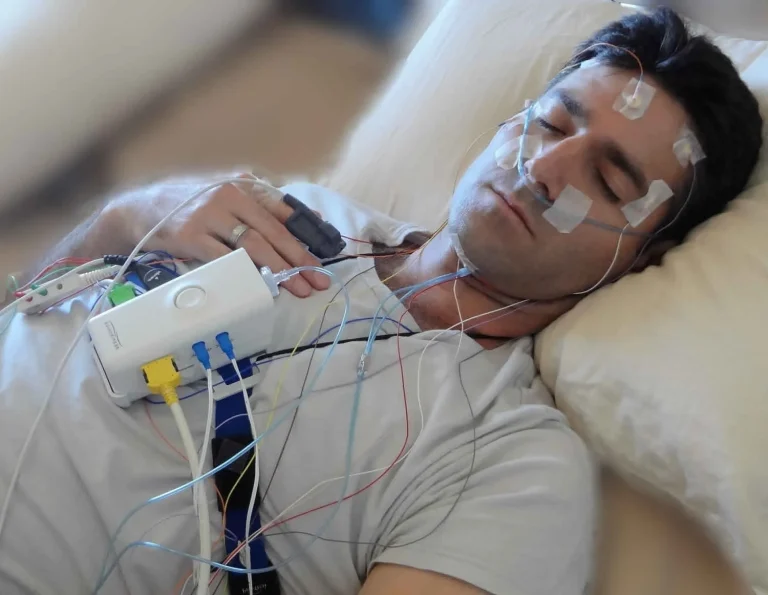
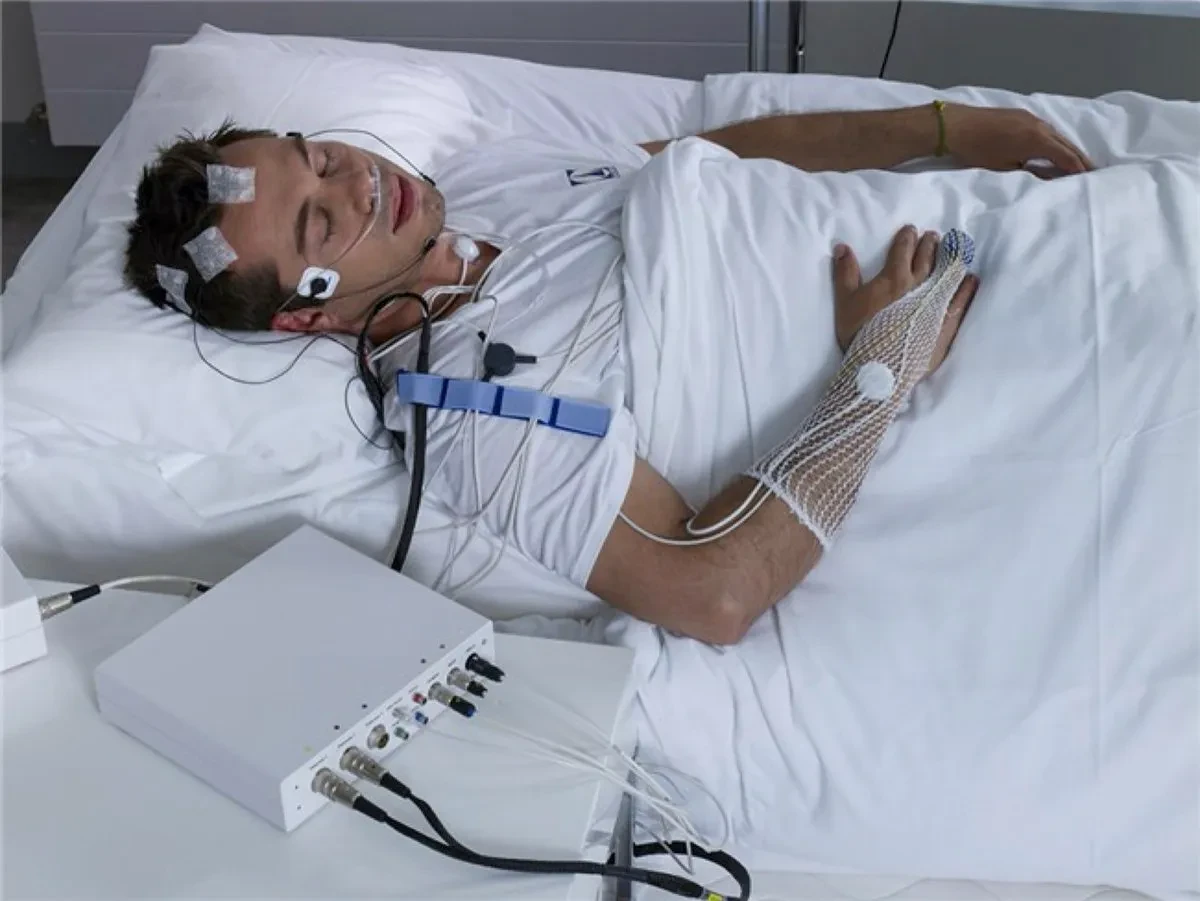
Sleep diagnostics encompass a range of medical tests designed to evaluate sleep quality and identify disorders that disrupt rest. These tests measure various biological parameters including brain activity, eye movements, muscle tone, heart rate, and breathing patterns during sleep. The data collected reveals what happens when someone sleeps, providing insights impossible to obtain through observation or self-reporting alone.
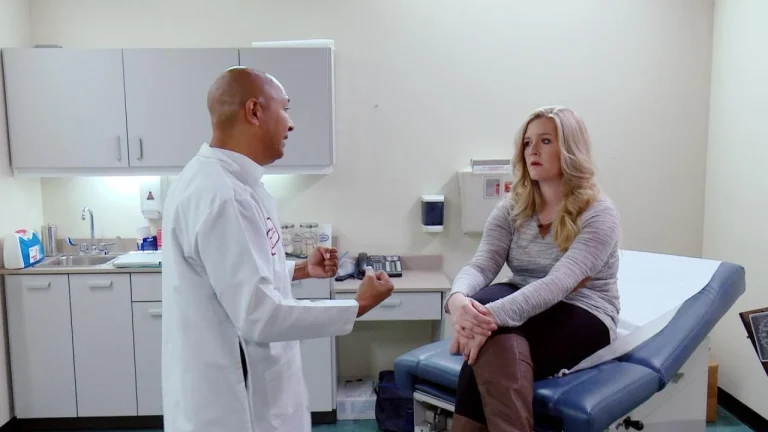
The process typically begins with a comprehensive medical evaluation, including detailed sleep history, physical examination, and sometimes preliminary screening questionnaires. Based on these initial findings, healthcare providers determine which specific diagnostic studies would be most appropriate for each individual’s situation.
According to research published by the American Academy of Sleep Medicine, approximately 70 million Americans suffer from chronic sleep problems, yet many remain undiagnosed due to lack of proper evaluation. This diagnostic gap often leads to years of unnecessary suffering, decreased productivity, and increased health risks.
Common Sleep Disorders Identified Through Testing
Diagnostic testing can identify a wide range of sleep disorders, each requiring different treatment approaches. Obstructive sleep apnea affects approximately 25 million American adults and represents one of the most commonly diagnosed conditions through sleep studies. This disorder causes repeated breathing interruptions during sleep, leading to oxygen deprivation and frequent awakenings.
Other conditions regularly identified include insomnia, which affects 30-35% of adults according to the American Sleep Association, narcolepsy, restless leg syndrome, and parasomnias such as sleepwalking or night terrors. Each disorder produces distinct patterns detectable through appropriate diagnostic testing.
Bonus Tip: Document Symptoms Before Evaluation
Keeping a detailed sleep diary for 1-2 weeks before diagnostic evaluation significantly improves testing accuracy. Record bedtime, wake time, nighttime awakenings, daytime fatigue levels, caffeine intake, medications, and any unusual sleep events. This information helps healthcare providers customize the diagnostic approach to individual needs.
Types of Sleep Diagnostic Studies
Several diagnostic methods exist, each suited for different clinical situations. The choice depends on suspected conditions, medical history, and specific symptoms.
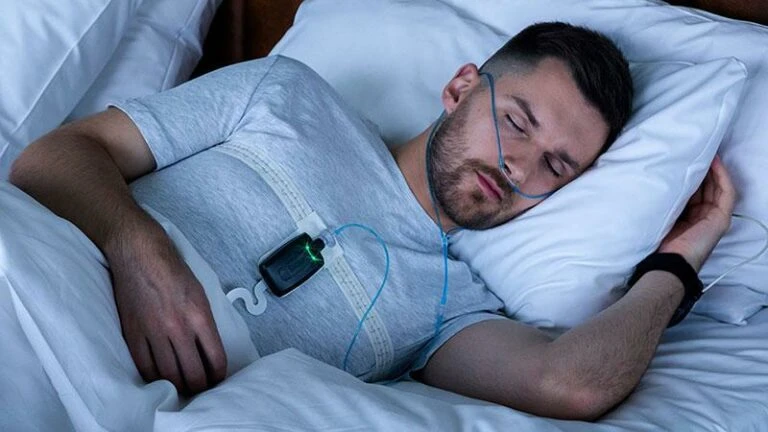
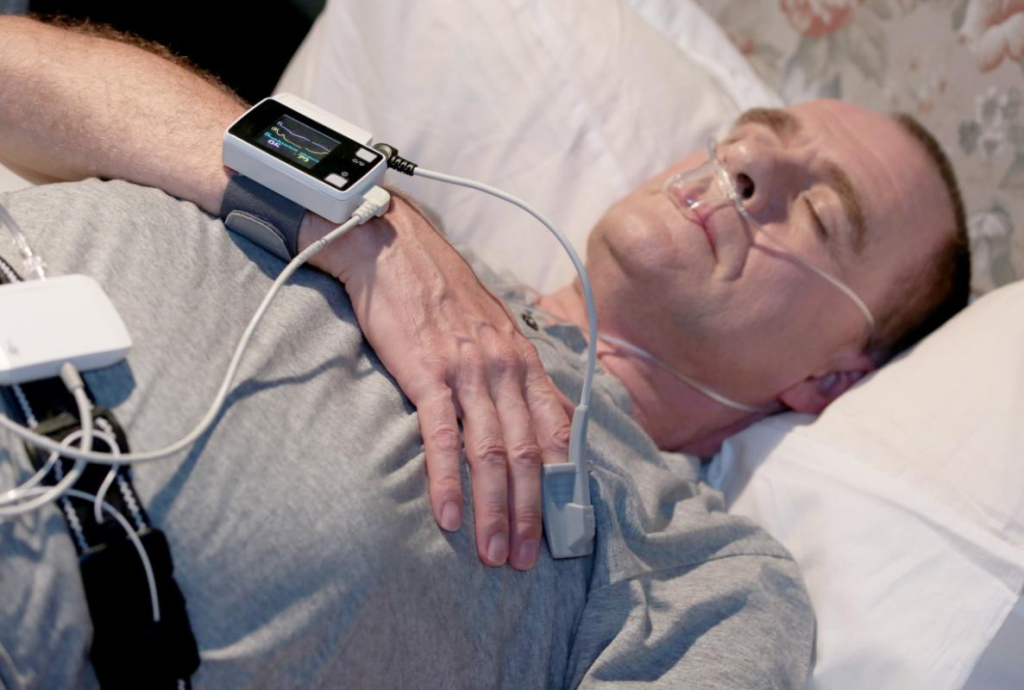
In-laboratory polysomnography remains the gold standard for comprehensive sleep evaluation. This overnight study monitors multiple body systems simultaneously in a controlled medical environment. Home sleep apnea testing offers a more convenient alternative for suspected obstructive sleep apnea in otherwise healthy adults, though it provides less comprehensive data than full laboratory studies.
Multiple sleep latency testing assesses daytime sleepiness and helps diagnose narcolepsy, while actigraphy monitoring tracks sleep-wake patterns over extended periods using a wrist-worn device. Each method serves specific diagnostic purposes, and healthcare providers select the most appropriate based on clinical presentation.
Comparison of Diagnostic Testing Options
| Test Type | Setting | What It Measures | Best For | Limitations |
|---|---|---|---|---|
| Polysomnography | Sleep laboratory | Brain waves, breathing, heart rate, oxygen, movements | Complex sleep disorders, initial diagnosis | Expensive, unfamiliar environment may affect sleep |
| Home Sleep Test | Patient’s home | Breathing, heart rate, oxygen | Straightforward sleep apnea cases | Limited data, may miss other sleep disorders |
| MSLT | Sleep laboratory | Time to fall asleep during naps | Narcolepsy, excessive daytime sleepiness | Requires prior night polysomnography |
| Actigraphy | Daily life | Movement patterns | Circadian rhythm disorders, treatment response | Doesn’t measure sleep quality directly |
Bonus Tip: Regional Environmental Considerations
Geographic location can affect diagnostic testing and subsequent treatment recommendations. For example, individuals in high-altitude regions may experience breathing patterns that differ from those of sea-level residents, requiring specialized interpretation of sleep study results. Similarly, those in extreme climates might need environmental controls during testing to ensure accurate results that aren’t influenced by uncomfortable temperature or humidity conditions.
Things to Consider Before Making a Decision
Several factors influence the choice of diagnostic approach. Medical complexity plays a significant role – patients with multiple health conditions typically benefit from comprehensive in-laboratory studies that can capture interactions between various medical issues and sleep patterns.
Insurance coverage represents another practical consideration. While most plans cover diagnostic testing when medically necessary, pre-authorization requirements and coverage differences exist between in-lab and home testing options. Checking coverage details beforehand prevents unexpected expenses.
Personal circumstances matter too. Those with caregiving responsibilities, work schedules requiring flexibility, or transportation limitations might find home testing more practical, provided their clinical situation allows for this less comprehensive approach.
Bonus Tip: Medication Management
Discuss all medications with the healthcare provider before diagnostic testing. Some medications affect sleep patterns and might need temporary discontinuation before testing. However, never stop prescribed medications without explicit medical direction, as this could create health risks or alter diagnostic results in unintended ways.
Final Thoughts
Sleep diagnostics represent the essential first step toward resolving sleep problems and improving overall health. Objective data removes uncertainty from the diagnostic process, enabling targeted treatment rather than trial-and-error approaches. The investment in proper testing pays dividends through improved sleep quality, better daytime functioning, and reduced health risks associated with untreated sleep disorders.
Anyone experiencing persistent sleep problems should discuss diagnostic options with a healthcare provider. The right testing approach, chosen based on individual circumstances and medical needs, provides the foundation for effective treatment and long-term sleep health improvement.
Professional Evaluation Services
Vector Sleep Diagnostic Center provides comprehensive sleep evaluation services using advanced diagnostic technology and experienced sleep medicine professionals. Our center offers both laboratory-based polysomnography and home sleep testing options, ensuring appropriate diagnostic approaches for each individual’s needs. For those experiencing persistent sleep problems, professional evaluation represents the logical first step toward understanding and resolving sleep issues. Contact Vector Sleep Diagnostic Center at vectorsleep@gmail.com or call +1 718-830-2800 to schedule an initial consultation and determine the most appropriate diagnostic approach for your specific situation.
Frequently Asked Questions About Sleep Diagnostics
How long does it take to get results after a sleep study?
Results typically become available within 7-10 business days after testing. The data requires specialized scoring by trained technologists, followed by interpretation by sleep medicine physicians, National Sleep Foundation. Complex cases or studies with unusual findings might require additional time for thorough analysis.
Can someone with anxiety undergo successful sleep testing?
Yes, most people with anxiety complete sleep studies successfully. Technicians receive training to help anxious patients feel comfortable throughout the process. Some healthcare providers prescribe mild anti-anxiety medication specifically for testing situations when necessary.
What happens if no sleep disorder is found?
If diagnostic results don’t reveal a specific sleep disorder, healthcare providers focus on sleep hygiene, behavioral approaches, or environmental modifications. Sometimes normal results indicate that reported symptoms stem from other medical conditions requiring different types of evaluation or treatment.
How often should sleep studies be repeated?
Repeat testing depends on the specific condition and treatment response. Patients with sleep apnea might need repeat studies after significant weight changes, when symptoms return despite treatment, or when switching therapy types. Many people only require one definitive diagnostic study followed by periodic symptom assessments rather than repeat testing.
Can children undergo sleep diagnostic testing?
Yes, children can and sometimes should undergo sleep testing when symptoms indicate potential sleep disorders. Pediatric sleep studies use age-appropriate equipment and interpretation criteria. Children often require specialized testing environments and expertise different from those of adult studies.
Sources
- American Academy of Sleep Medicine – Professional organization providing standards for sleep medicine practice and diagnostic criteria
- American Sleep Association – Non-profit organization providing education and statistics about sleep disorders and their prevalence
- National Sleep Foundation – Organization dedicated to sleep health education and awareness providing information about diagnostic procedures