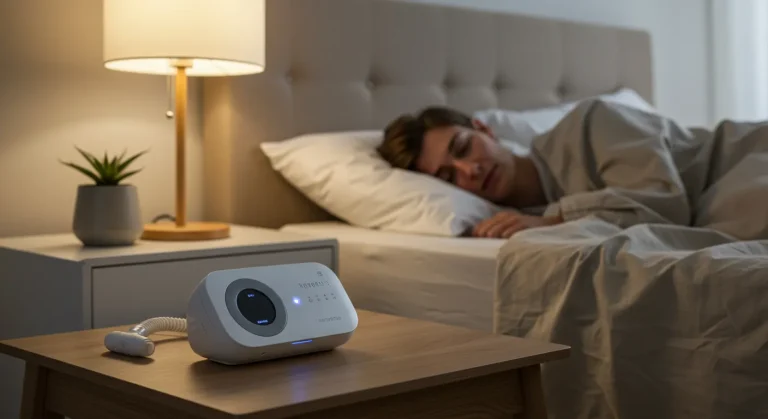
What Sleep Technologists Do During Your Overnight Study
If you have a sleep study scheduled, you may be picturing a quiet room, a bed, and a lot of wires. What you may not picture is the person who makes the whole night work. The sleep technologist is the trained professional who prepares you, watches your data in real time, and keeps you comfortable and safe until morning. Knowing what they do can take much of the worry out of the night.
At Vector Sleep Diagnostic Center in Rego Park, Queens, overnight in-lab sleep studies are the core of what we do. This guide walks through the night from the technologist’s side of the glass, so you know what to expect and why each step matters.
This article was reviewed by Dmitriy Kolesnik, MD, a neurologist board certified in Sleep Medicine and Medical Director of Vector Sleep Diagnostic Center in Rego Park, Queens.
Who Is the Sleep Technologist, and Why Do They Matter?
A sleep technologist is a healthcare professional trained to set up, run, and monitor sleep tests. Think of them as the bridge between you and the physician who will read your results. They are not there to diagnose you. Their job is to collect clean, accurate information about what your body does during sleep, so the doctor has reliable data to interpret.
That matters more than most people realize. A sleep study is only as good as the recording it produces. A sensor that slips, a signal that drops, or a patient who is too anxious to sleep can all weaken the results. The technologist’s skill is what turns a night in a strange bed into a useful medical record.
The technologist is also your main point of contact all evening. They answer questions, explain what each piece of equipment does, and respond if anything feels uncomfortable.
Before Lights Out: Welcome, Setup, and Sensor Placement
Your night starts with a welcome and a short walk through the evening. The technologist shows you the room, explains the process, and gives you time to ask questions. If you have not yet packed, our guide on what to bring to your first sleep study appointment covers the comfort items worth having with you.
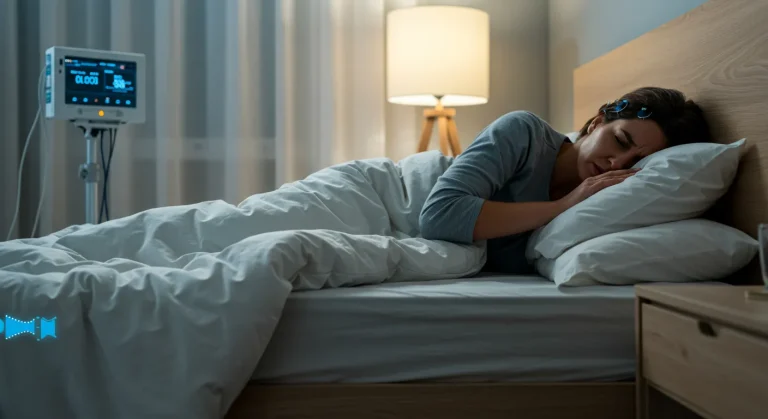
Then comes the hookup, which is where most of the technologist’s hands-on work happens. Sensors are placed gently on the skin to record several things at once:
- Brain activity: small sensors on the scalp record brain waves, which show when you are awake, in light sleep, in deep sleep, or in REM sleep.
- Eye movements: sensors near the eyes help identify REM sleep, the stage linked to vivid dreaming.
- Muscle activity: sensors on the chin and legs show muscle tone and leg movements, which matter for conditions like restless legs and periodic limb movements.
- Heart rhythm: chest sensors track your heart rate and rhythm through the night.
- Breathing: a sensor near the nose and mouth tracks airflow, while soft belts around the chest and abdomen show breathing effort.
- Oxygen level: a small clip on a finger measures blood oxygen, which can drop when breathing is interrupted.
- Snoring and body position: sensors record snoring sound and whether you are on your back, side, or stomach.
None of this is painful. The sensors record signals; they do not send anything into your body. Placement takes some time, and a good technologist works carefully, because secure sensors mean a better recording. The National Heart, Lung, and Blood Institute gives a clear overview of how sleep studies work if you want an independent reference.
Calibration: The Quiet Check Before You Sleep
Once everything is attached, the technologist does not simply say goodnight. They check that every channel is working. This usually means asking you to do a few simple things while lying in bed: look left and right, blink, clench your jaw, breathe in and out, and move your feet. Each action produces a known signal, and the technologist confirms it appears correctly on the screen.
This step is easy to overlook, but it is where problems are caught early. A lead that has loosened or a sensor that is reading poorly can be fixed now, before the real recording starts. Fixing it at this stage means you are not woken later for an adjustment.
When the signals look good, the technologist will tell you it is time to settle in. Many people read, watch something calming, or simply relax until they feel sleepy. If you would like to know how timing affects your night, see our article on the best time for a sleep study.
While You Sleep: Watching, Listening, and Responding
After lights out, the technologist’s work shifts from hands-on to hands-ready. In most sleep labs, technologists monitor the recording from a nearby control area. They watch your brain waves, breathing, oxygen level, heart rhythm, and movement as they happen, and they use video and audio so they can see and hear what is going on in the room.
Here is what that attention looks like in practice:
- Tracking sleep stages. The technologist follows how you move through light, deep, and REM sleep, and notes anything unusual in the pattern.
- Noticing breathing events. Pauses or reductions in airflow, drops in oxygen, and effort to breathe are the signals that point toward sleep apnea. The technologist sees these as they occur.
- Documenting behaviors. Talking in sleep, sudden movements, sleepwalking, or unusual episodes are noted with the time they happened, so the physician can match them to the recorded data.
- Fixing signal problems. If a sensor comes loose during the night, the technologist quietly comes in, reattaches it, and lets you return to sleep.
- Keeping you safe. If you need to use the bathroom, feel unwell, or become anxious, you can let the technologist know and they will help.
Many people worry that they will not be able to sleep at all with sensors on. This is very common, and it is rarely a problem. The technologist is trained to work with whatever sleep you do get, and a study can often be useful even when sleep is lighter than at home. If you are a person who struggles to stay asleep, the data from a monitored night can actually be revealing. Our article on how a sleep study can identify why you cannot stay asleep explains why.
When Treatment Is Part of the Night
For some patients, the technologist’s role goes beyond recording. When your physician’s order and the findings during the night call for it, the technologist may introduce a CPAP mask and adjust the pressure to find the setting that keeps your airway open. CPAP stands for continuous positive airway pressure, and it is a common treatment for obstructive sleep apnea. You can read more about the condition from the National Heart, Lung, and Blood Institute’s page on sleep apnea.
If this happens, the technologist fits the mask, explains what to expect, and makes small adjustments while watching how your breathing responds. A comfortable fit matters, because the mask has to stay in place while you sleep. The technologist can swap sizes or styles if the first fit is uncomfortable.
Whether or not this step applies to you depends on your individual situation and your doctor’s plan. The technologist follows the physician’s orders and the clinic’s protocols; they do not decide your treatment on their own.
Morning and Beyond: From Recording to Results
When the study ends, the technologist wakes you, removes the sensors, and lets you wash up and gather your things. They may ask a few questions about how you slept compared to a typical night. That information is useful context for the doctor, because it helps explain how representative the recording was.
The recorded night then goes through a careful review. The data is organized and scored, which means each stretch of the recording is marked for sleep stage, breathing events, movements, and other findings. The physician then interprets the full picture alongside your history and symptoms. At Vector, our Medical Director is board certified in Neurology and Sleep Medicine, so your results are read in the context of both how you breathe and how your brain behaves during sleep.
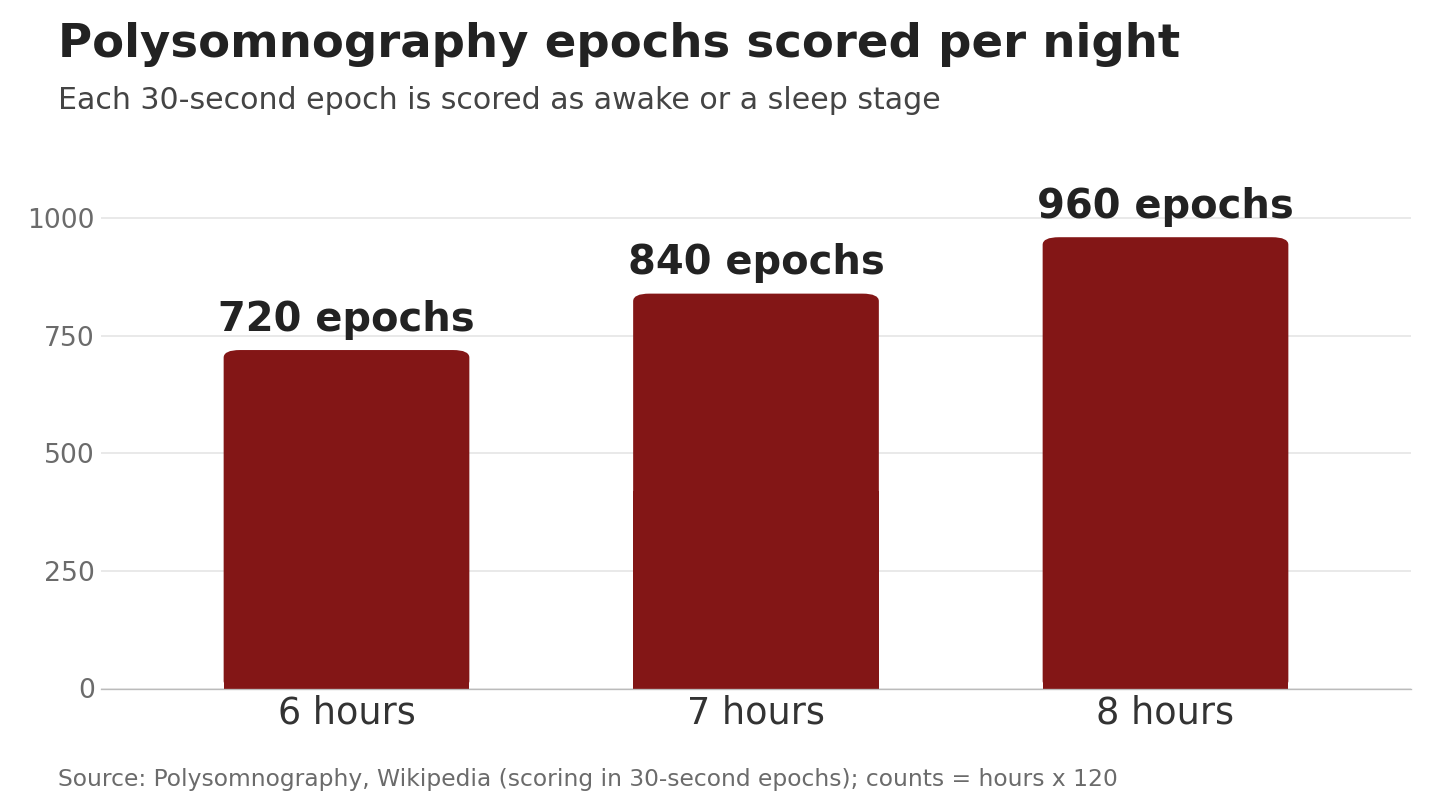
To put that in numbers: scorers review the recording in 30-second epochs (Polysomnography, Wikipedia), so a 7 hour night holds 840 of them, and each one is marked as awake or a sleep stage.
Results are not handed over by the technologist. That conversation belongs with the physician, who can explain what was found and recommend next steps.
Our Experience Behind Every Overnight Study
Vector Sleep Diagnostic Center has been open in Rego Park, Queens since 2005. We run 900 to 1000 sleep studies a year. That volume reflects steady, hands-on practice in diagnosing sleep apnea, insomnia, restless legs, and other sleep disorders, and it shapes how we prepare, monitor, and care for each person who spends a night with us.
Our Medical Director, Dr. Dmitriy Kolesnik, is board certified in Neurology and Sleep Medicine. We also offer EEG studies, including prolonged EEG, for patients whose symptoms call for a closer look at brain activity. If you are wondering how that differs from a standard overnight test, our comparison of EEG vs. sleep study lays it out in plain terms. We accept all major insurance plans, including Medicare and Medicaid.
We believe the best sleep medicine is practical and human. A clear explanation, a patient technologist, and a physician who reads the results with care can make a first sleep study far less intimidating than most people expect.
How to Help Your Technologist Help You
You do not need to do anything special to be a good sleep study patient, but a few habits make the night smoother for everyone.
- Arrive prepared. Review our night-before sleep study preparation tips, and follow any instructions your doctor or our office gave you about medications, caffeine, and skin or hair products.
- Speak up. If a sensor itches, a strap feels tight, or the room is too warm, tell the technologist. They would rather adjust something early than lose part of your recording.
- Keep your routine. Bring what helps you wind down, such as a book or your usual sleepwear. Familiar habits make it easier to fall asleep.
- Be honest about your sleep. If you slept poorly or felt different from usual, say so in the morning. It helps the physician read the results accurately.
- Avoid common pitfalls. Our guide to first sleep study mistakes covers the small errors that can make a night harder than it needs to be.
If you are still deciding between testing options, you may also want to read about at-home versus in-lab sleep studies, or the neighborhood-focused home sleep test vs. lab sleep study comparison. Which test is right depends on your symptoms and medical history, and your physician can help you choose. For general public health information on sleep, the Centers for Disease Control and Prevention maintains a helpful resource on sleep and sleep disorders.
Frequently Asked Questions
Does the sleep technologist stay in the room all night?
In most sleep labs, the technologist monitors your recording from a nearby control area rather than sitting in your room. They watch your data and use video and audio to keep track of what is happening. If you need help, you can speak up and they will come to you, and they will also step in on their own if a sensor needs attention.
Can I really fall asleep with sensors attached?
Yes, most people can. Sleep may feel lighter than at home, especially on the first night, but a study can still capture the information your doctor needs. Technologists are experienced with patients who worry about this, and the equipment is designed to be worn comfortably while you rest.
Will the technologist tell me my results in the morning?
No. The technologist collects and organizes the data, but diagnosing and explaining your results is the physician’s role. After your study is reviewed and interpreted, your doctor will go over what was found and discuss next steps with you.
What happens if I need to use the bathroom during the night?
Just let the technologist know. They will pause the recording as needed, disconnect the necessary connections so you can move safely, and help you reconnect when you return to bed. Needing a bathroom break is normal and does not ruin a study.
Does my insurance cover an overnight sleep study at Vector?
We accept all major insurance plans, including Medicare and Medicaid. Coverage details vary from plan to plan, so our office can help you understand your specific situation before your appointment.
If you have been struggling with poor sleep, loud snoring, or daytime exhaustion, you do not have to figure it out alone. Get in touch with Vector Sleep Diagnostic Center in Rego Park, Queens, to ask questions or schedule your overnight sleep study. Our office can answer your questions before your visit.