How a Sleep Clinic in Elmont, NY, Helps Patients Achieve Restful Sleep
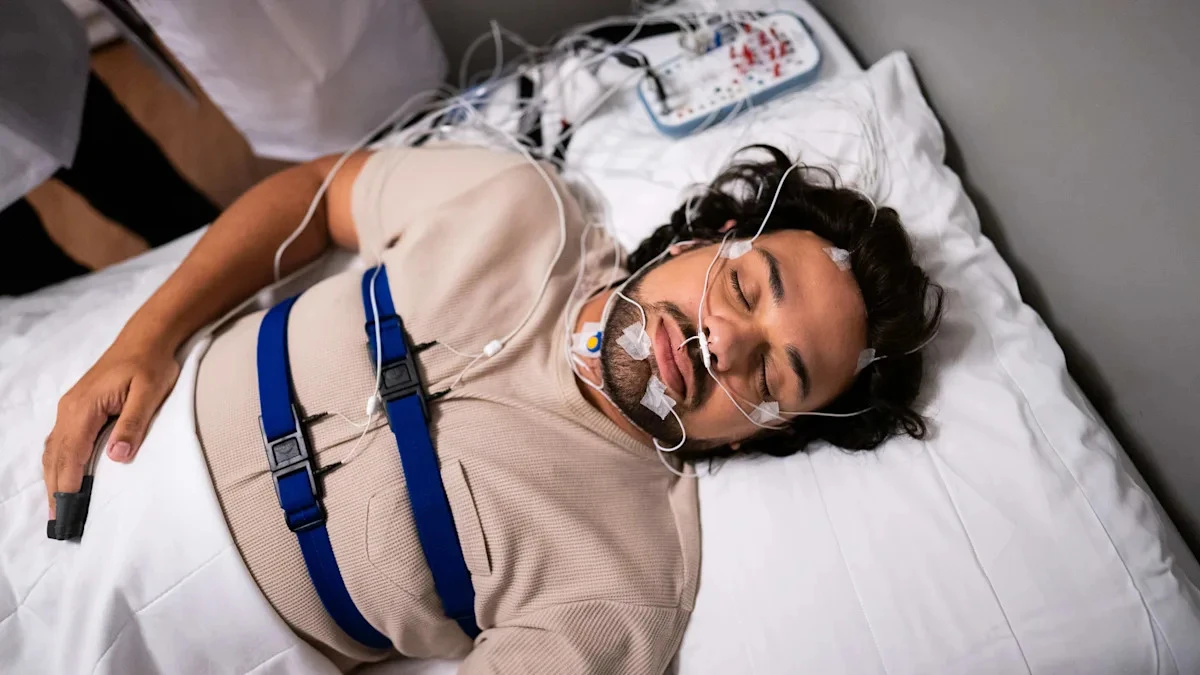
A sleep clinic helps patients achieve restful sleep by conducting comprehensive diagnostic evaluations to identify specific physiological or psychological barriers to rest. Through overnight monitoring and specialized analysis, specialists determine the root causes of poor sleep, such as obstructive sleep apnea, insomnia, or restless leg syndrome. Vector Sleep Diagnostic Center utilizes this data to formulate targeted treatment plans that restore healthy sleep patterns. Understanding the diagnostic process and available treatments empowers patients to take control of their health and improve their overall quality of life.
The Diagnostic Proces
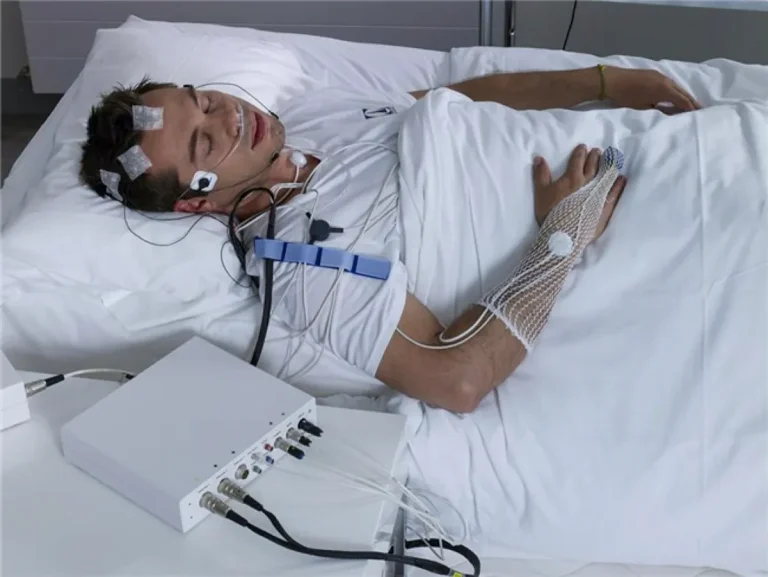
The path to better sleep begins with an accurate diagnosis. Specialists first review a patient’s medical history and sleep habits to determine the appropriate testing method. Two primary types of sleep studies exist: in-lab polysomnography and home sleep apnea tests. The choice depends on the patient’s specific symptoms and the suspected condition.
In-lab studies provide the most detailed data. Technicians monitor brain waves, oxygen levels, heart rate, and breathing patterns throughout the night. This comprehensive view allows specialists to detect a wide range of disorders. Home tests are more convenient but generally focus solely on breathing patterns to detect sleep apnea.
| Feature | In-Lab Polysomnography | Home Sleep Test |
|---|---|---|
| Monitoring Scope | Brain activity, eye movement, breathing, heart rate, and oxygen | Breathing effort, oxygen levels, heart rate |
| Environment | Private, controlled clinical room | Patient’s own home |
| Primary Use | Diagnosing complex disorders, such as narcolepsy and insomnia | Diagnosing obstructive sleep apnea |
| Technician | Present throughout the night for monitoring | Patient applies and removes the device |
Prevalence and Risks
Sleep disorders are widespread and often go untreated. According to the Centers for Disease Control and Prevention (CDC), about 1 in 3 adults in the United States report not getting enough sleep every day. This lack of rest contributes to serious health issues, including high blood pressure, heart disease, and diabetes. Professional diagnosis is essential to managing these risks.
Data from the American Sleep Apnea Association indicates that approximately 22 million Americans suffer from sleep apnea. A vast majority of these cases remain undiagnosed. Untreated sleep disorders reduce cognitive function, increase the likelihood of workplace accidents, and generally diminish quality of life. Clinics in Elmont provide the necessary local resources to combat these issues effectively.
Treatment Options
Once a diagnosis is confirmed, treatment varies based on the specific disorder. For obstructive sleep apnea, Continuous Positive Airway Pressure (CPAP) therapy is the standard treatment. The CPAP machine delivers a steady stream of air through a mask, keeping the airway open during sleep. Modern devices are quieter and more comfortable than older models.
Patients who cannot tolerate CPAP might benefit from oral appliances. These devices resemble sports mouthguards and reposition the jaw to keep the airway open. For insomnia, Cognitive Behavioral Therapy for Insomnia (CBT-I) is highly effective. This therapy addresses the thoughts and behaviors that prevent sleep, focusing on relaxation techniques and sleep schedule consistency.
Regional Guidance for Elmont Residents
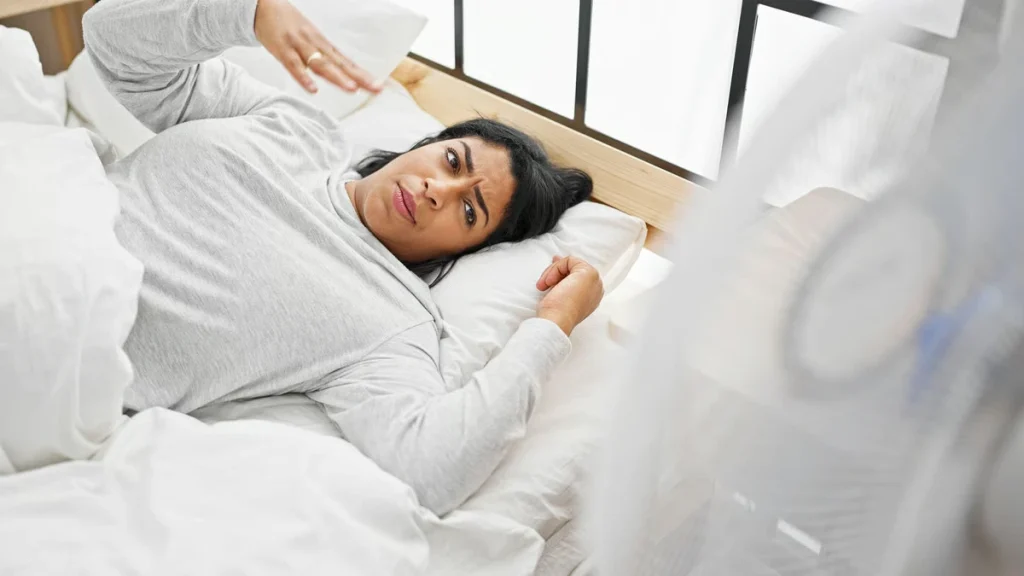
Living in Elmont presents unique environmental challenges for sleep. The area experiences significant humidity during Long Island summers, which can disrupt sleep comfort. Using a dehumidifier or air conditioning helps maintain an optimal sleep environment. Additionally, noise pollution from the urban surroundings can disturb rest. Soundproofing windows or using white noise machines effectively masks these external sounds, creating a quieter atmosphere for rest National Heart, Lung, and Blood Institute.
Bonus Tip: Keep the bedroom cool. The National Sleep Foundation suggests a temperature between 60 and 67 degrees Fahrenheit for optimal sleep. A cooler room helps the body maintain its natural temperature drop during sleep.
Things to Consider Before Making a Decision
Before scheduling a sleep study, patients should evaluate several factors to ensure the best outcome.
- Symptom Severity: Loud snoring, gasping for air during sleep, or excessive daytime fatigue are strong indicators of a sleep disorder. These symptoms warrant immediate medical attention.
- Medical History: Conditions like high blood pressure, obesity, or a family history of sleep apnea increase the risk of sleep disorders.
- Insurance Coverage: Most insurance plans cover sleep studies if deemed medically necessary by a physician. Checking with the provider beforehand clarifies potential out-of-pocket costs.
- Personal Comfort: Some patients may feel anxious about sleeping in a lab. Understanding that home testing is an option for certain conditions can alleviate this concern.
Bonus Tip: Avoid caffeine and heavy meals at least three hours before bedtime. Caffeine is a stimulant that can stay in the system for hours, while heavy digestion can prevent the body from entering deep sleep stages.
Understanding Specific Sleep Disorders
Accurate diagnosis distinguishes between disorders that often share similar symptoms. Obstructive sleep apnea occurs when throat muscles relax and block the airway. Central sleep apnea is less common and involves the brain failing to send proper signals to the muscles that control breathing. Insomnia involves the inability to fall asleep or stay asleep, often linked to stress or anxiety. Restless leg syndrome causes an uncontrollable urge to move the legs, usually due to discomfort. Narcolepsy involves sudden, uncontrollable episodes of falling asleep during the day.
Effective treatment relies on distinguishing these conditions. A clinic provides the medical expertise required to differentiate between them. Proper identification ensures that the treatment plan addresses the specific problem rather than just the symptoms.
Bonus Tip: Establish a consistent sleep schedule. Going to bed and waking up at the same time every day, even on weekends, regulates the body’s internal clock and improves sleep quality over time.
Long-term Management and Follow-up
Treating sleep disorders is often a long-term commitment. Regular follow-up appointments ensure the therapy remains effective. For CPAP users, the mask fit and pressure settings may need adjustment as weight or health conditions change. Clinics provide ongoing support to manage equipment and troubleshoot any issues. This continuous care is necessary for maintaining restful sleep and preventing the return of symptoms. Compliance with treatment plans improves significantly when patients have access to reliable support and troubleshooting advice.
Contact Vector Sleep Diagnostic Center
Vector Sleep Diagnostic Center provides comprehensive sleep evaluations to help patients achieve better health. To schedule a consultation or learn more about services, email vectorsleep@gmail.com or call +1 718-830-2800 today.
Frequently Asked Questions
How long does a sleep study take?
An overnight study typically requires the patient to arrive in the evening and leave the following morning. The monitoring process usually records data for about six to seven hours of sleep.
Does insurance cover the cost of a sleep clinic visit?
Most insurance providers cover sleep studies when prescribed by a physician. Coverage depends on the specific insurance plan and whether the test is deemed medically necessary.
Can I drive myself home after a sleep study?
Yes, because no sedation is used during the study, patients can drive themselves home. However, driving after a daytime nap study might be restricted due to grogginess.
What should I bring to an overnight sleep study?
Pack comfortable pajamas, toiletries, and any medication needed for the evening or morning. Bringing a favorite pillow or blanket from home can also help create a sense of familiarity.
What happens if I cannot sleep during the study?
Most patients sleep enough to collect sufficient data. Even a few hours of sleep provide valuable information. If the study does not capture enough data, the clinic may recommend repeating the test.
Seeking help from a specialized clinic is the most effective way to address chronic sleep issues. Through professional diagnosis and personalized care, patients can overcome the barriers to restful sleep and improve their daily functioning.
Sources
- Centers for Disease Control and Prevention (CDC) – Public health agency providing data on sleep prevalence and health risks.
- American Sleep Apnea Association – Non-profit organization offering statistics and information on sleep apnea.
- National Heart, Lung, and Blood Institute – Government institute detailing the consequences of sleep deprivation.