How Much a Home Sleep Test Costs Without Insurance
If you think you might have sleep apnea but have no health insurance, or your plan will not cover testing, the first question is simple: what will a home sleep test cost? The short answer is that a home sleep apnea test usually costs far less than an overnight lab study, but the price depends on what is included and whether a home test is the right test for you at all. This guide explains typical self-pay ranges, what drives the price, and what to ask before you pay.
Vector Sleep Diagnostic Center in Rego Park, Queens has run sleep testing since 2005 and performs 900 to 1000 sleep studies a year, with in-lab sleep studies as its main service. The figures below come from published sources, not from Vector’s own price list, so call the clinic for its current options.
What a Home Sleep Test Involves
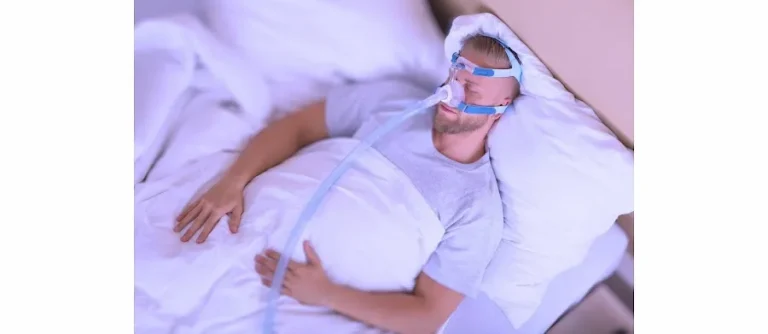
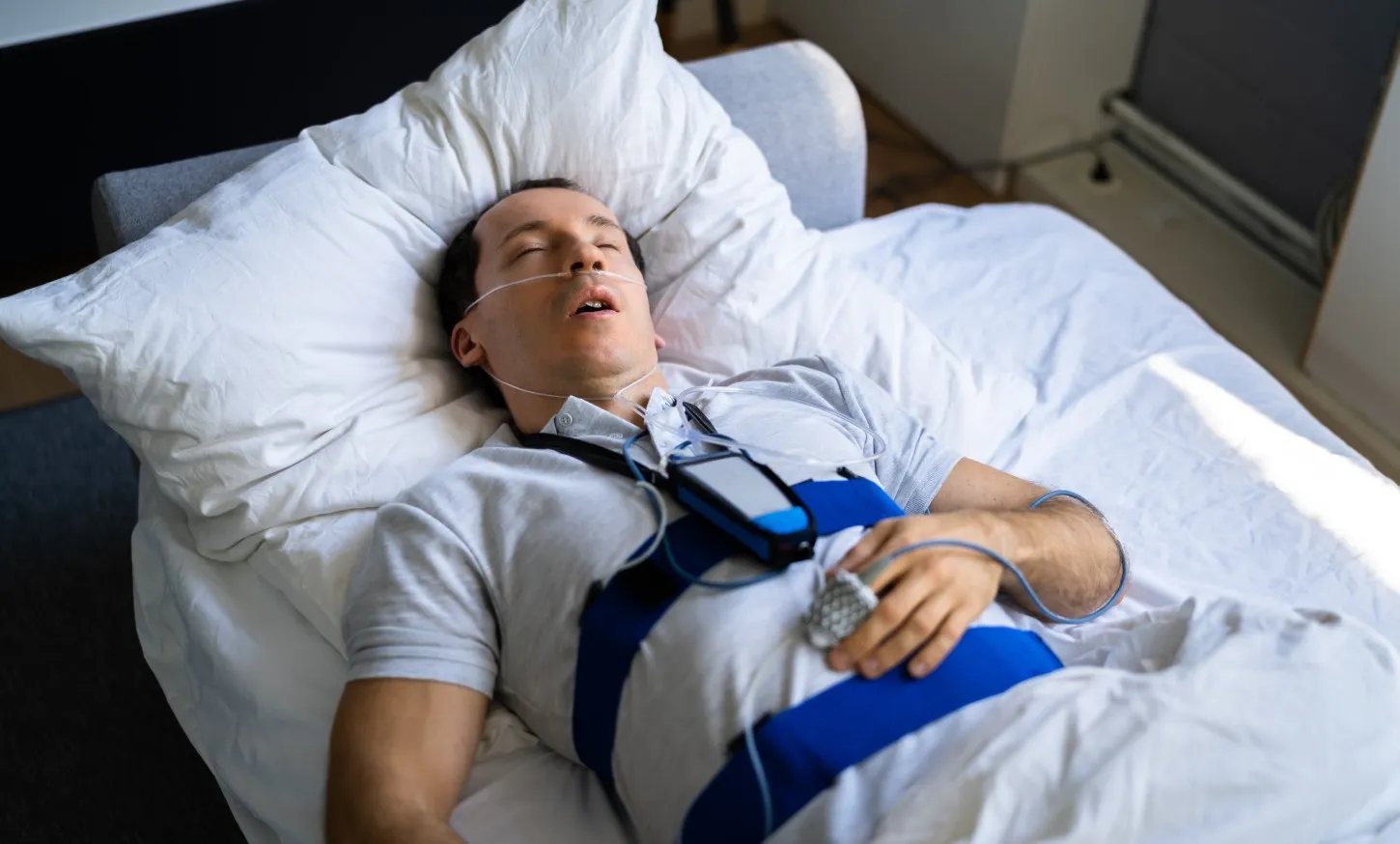
A home sleep apnea test is a portable device you wear overnight in your own bed. It records breathing, airflow, blood oxygen, and heart rate, and a physician then reviews the recording. It does not measure brain waves the way an in-lab study (polysomnography) does, which is why it is used to look for obstructive sleep apnea specifically rather than every sleep disorder. Our comparison of at-home sleep studies and in-clinic polysomnography covers the differences in detail.
How Much a Home Sleep Test Costs Without Insurance
According to the American Sleep Apnea Association, the self-pay cost of a home sleep apnea test “typically ranges from $100 to $500, sometimes up to $1,000,” while in-lab testing runs from about $1,000 to $10,000 (American Sleep Apnea Association, At-Home Sleep Study, medically reviewed, updated May 14, 2026).
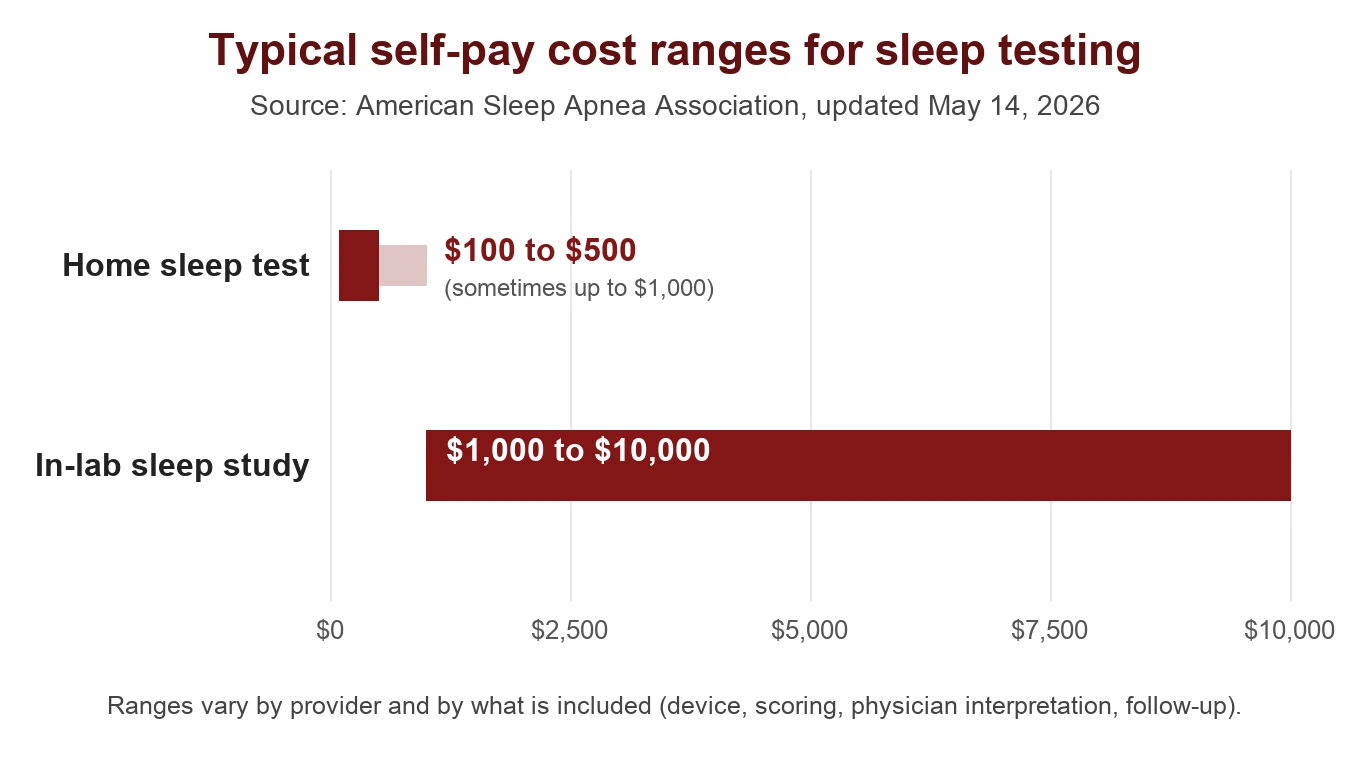
Those ranges are wide because “home sleep test” can mean very different things. Some low prices cover only the device and an automated report. Others include a physician’s interpretation and a visit to explain the results and plan treatment.
Why the Price Varies From One Provider to Another
- Physician interpretation. A recording is only useful once a qualified physician reads it. Ask whether that review is in the price.
- Follow-up visit. Some providers include a visit to go over results and next steps; others bill it separately.
- Device type. Devices record different numbers of signals.
- Retests. If the device slips off or records too little data, ask whether a repeat night is included.
- Treatment steps. A diagnosis is the start, not the end. If you need CPAP or another treatment, that is a separate cost.
Not sure which sleep test you need? Call Vector Sleep Diagnostic Center and our Rego Park team will walk you through your options.
When a Home Test Is Not the Right Test
The cheapest test is not a saving if you have to repeat it in a lab. The American Sleep Apnea Association says home testing suits people who may have moderate or severe obstructive sleep apnea, and is not the right fit for people with chronic obstructive pulmonary disease (COPD) or congestive heart failure, or for people who need to be checked for insomnia, sleepwalking, or narcolepsy. It adds that “in-lab [testing] is the best way to distinguish sleep apnea from other sleep disorders.”
If your symptoms are mixed, or you have heart or lung disease, an in-lab study may be the right first test. Our guide to home sleep apnea testing versus sleep lab testing and our sleep studies page explain what an overnight lab study measures.
What to Ask Before You Pay
- What exactly does the self-pay price include: device, physician interpretation, and a results visit?
- Who reads my results, and will someone explain them to me?
- What happens, and what does it cost, if the recording fails or is not clear?
- If the home test is negative but I still have symptoms, what is the next step?
- Can I get an itemized receipt?
If you are seeing a specialist for the first time, our list of reasons a primary care doctor refers you to a sleep specialist helps you prepare.
Using an HSA or FSA
The IRS lists “the cost of devices used in diagnosing and treating illness and disease” and laboratory fees as medical expenses (IRS Publication 502), which is the general rule health savings accounts and flexible spending accounts follow. Check with your plan administrator before you pay, and keep the itemized receipt.
Why Putting Off Testing Can Cost More
Skipping a test to save money can backfire. The National Heart, Lung, and Blood Institute states that “untreated sleep apnea increases the risk for stroke, heart attack, and other serious problems” (NHLBI, Sleep Apnea). If you snore loudly, gasp at night, or feel exhausted during the day, read signs your sleep issues need medical attention, not home remedies and the benefits of seeing a sleep specialist early.
If You Do Have Insurance
Vector Sleep Diagnostic Center accepts all major insurance plans, including Medicare and Medicaid. If you have coverage you were unsure about, read does insurance cover a sleep study in New York before you decide to pay out of pocket.
Ask About Testing at Vector
Send your details and our Rego Park team will contact you about the right sleep test and what it costs for your situation.
Frequently Asked Questions
How much does a home sleep test cost without insurance?
The American Sleep Apnea Association puts the typical self-pay cost at $100 to $500, sometimes up to $1,000. Ask each provider exactly what the price includes.
Is a home sleep test cheaper than an in-lab sleep study?
Usually, yes. The same source puts in-lab testing at about $1,000 to $10,000. A lab study records more signals, including brain waves, and can identify sleep disorders other than sleep apnea.
Who should not use a home sleep test?
According to the American Sleep Apnea Association, people with COPD or congestive heart failure, and people who need evaluation for insomnia, sleepwalking, or narcolepsy, are better served by in-lab testing.
Can I pay for a home sleep test with an HSA or FSA?
IRS Publication 502 counts the cost of diagnostic devices and laboratory fees as medical expenses. Confirm with your plan administrator before paying and keep an itemized receipt.
Does Vector Sleep Diagnostic Center take insurance?
Yes. Vector accepts all major insurance plans, including Medicare and Medicaid. Call (718) 830-2800 to ask about your plan.
If cost is what is holding you back from getting tested, call Vector Sleep Diagnostic Center in Rego Park at (718) 830-2800 or request an appointment online, and ask which test fits your symptoms.