Five Signs You Should Ask Your Doctor for a Sleep Apnea Evaluation
Five Signs You Should Ask Your Doctor for a Sleep Apnea Evaluation
Most adults with obstructive sleep apnea do not know they have it. The condition often presents as familiar daytime symptoms with no obvious nighttime cause. This guide lists five symptoms that, when present together or persistent over weeks, are strong enough reasons to ask your primary care physician for a referral to a sleep specialist. It is written for the patient deciding whether to bring up sleep at the next appointment, not as a self-diagnosis tool.
This content was reviewed by Dmitriy Kolesnik, MD, Sleep Medicine Specialist at Vector Sleep Diagnostic Center in Queens, NY.
Sign 1: Loud Snoring Witnessed by a Bed Partner
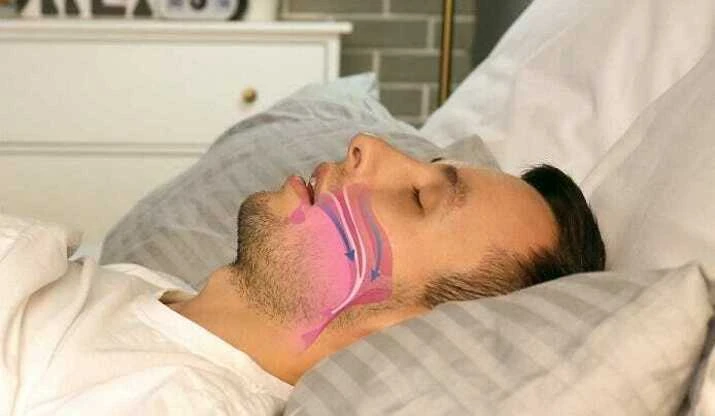
Snoring is common, but loud snoring described by a bed partner as “every night” and “audible from another room” is a meaningful symptom. Snoring is the sound of partial airway obstruction. When the obstruction becomes complete, the airway closes for several seconds at a time and the patient develops obstructive sleep apnea (OSA). The National Heart, Lung, and Blood Institute lists habitual loud snoring as the most common first sign of OSA reported to clinicians [Source: NHLBI, accessed 2026-05-13].
If you live alone and no one has heard you snore, a recording on a smartphone over several nights can provide useful information for your doctor.
Sign 2: Witnessed Gasping, Choking, or Pauses in Breathing
This is the symptom your bed partner is most likely to bring up first. Pauses in breathing during sleep, followed by a gasp or choke, are the direct signature of obstructive sleep apnea events. Even one such observation per week is enough to raise the question of an evaluation. Bed partner reports are reliable enough that the AASM recommends including them in the initial sleep history.
Sign 3: Excessive Daytime Sleepiness
Daytime sleepiness that interferes with work, driving, or social activities is the symptom most likely to motivate a doctor visit. The Epworth Sleepiness Scale is an eight-item self-rating tool that estimates daytime sleepiness; a score of 10 or higher is generally considered abnormal and worth discussing with your physician [Source: AASM, accessed 2026-05-13]. Sleepiness from OSA is distinct from being merely tired; it is the feeling of dozing off during passive activities like reading, riding as a passenger, or watching television.
Sign 4: Morning Headaches
Headaches present on waking and resolving within an hour or two are associated with obstructive sleep apnea. The proposed mechanism is repeated rises in carbon dioxide during apnea events, which cause cerebral vasodilation. Morning headaches alone are not specific to OSA, but combined with snoring or witnessed apneas they increase the pre-test probability and justify a sleep evaluation referral.
Sign 5: Frequent Nighttime Urination (Nocturia)
Getting up two or more times per night to urinate is often attributed to bladder or prostate issues, but it is also a known symptom of obstructive sleep apnea. During apnea events, increased thoracic pressure stimulates the release of atrial natriuretic peptide, which promotes urine production. Nocturia that does not respond to bladder-directed treatment, especially in the presence of other OSA symptoms, deserves a sleep workup.
How to Bring It Up With Your Doctor
Write down which signs you have noticed and how often. Ask explicitly: “Could this be sleep apnea, and should I see a sleep specialist?” If you have access to one, bring an Epworth Sleepiness Scale score. Your primary care physician can refer you to a center like Vector Sleep Diagnostic Center for a formal sleep apnea evaluation, which usually starts with a clinical history, a focused physical exam, and a diagnostic sleep study.
Symptoms-to-Action Quick Reference
| Symptom | When to Bring It Up |
|---|---|
| Loud habitual snoring | If bed partner reports it ≥ 3 nights per week |
| Witnessed gasping or pauses | Any frequency — raise it at the next visit |
| Daytime sleepiness | Epworth score ≥ 10 or sleepiness while driving |
| Morning headaches | If new, frequent, and present on waking |
| Nocturia | ≥ 2 voids per night without urologic cause |
What Happens If You Ignore These Signs
Untreated obstructive sleep apnea is associated with hypertension, atrial fibrillation, type 2 diabetes, motor vehicle crashes, and reduced quality of life [Source: NHLBI, accessed 2026-05-13]. None of these consequences require a single missed diagnosis to occur, but each one is statistically more likely in adults who carry undiagnosed apnea for years. Bringing up the symptoms early gives you years rather than decades of treatment benefit.
Patients sometimes hesitate because they worry that a sleep apnea diagnosis means a lifelong CPAP machine. CPAP is highly effective and tolerable for many people, but it is one option among several, including oral appliances, positional therapy, and surgical evaluation. The right approach for a given patient is determined after diagnosis, not before. If your symptoms point more toward trouble falling or staying asleep than breathing pauses, our guide on insomnia therapies covers that related but distinct set of treatment options.
Frequently Asked Questions
Do I need all five symptoms to be referred for a sleep apnea evaluation?
No. Persistent loud snoring with daytime sleepiness, or any witnessed apnea, is usually enough to prompt a referral. Each additional symptom raises the probability further.
What is a normal Epworth Sleepiness Scale score?
A score of 0 to 9 is generally considered normal. A score of 10 or higher suggests excessive daytime sleepiness that should be evaluated.
Can sleep apnea cause high blood pressure?
Untreated obstructive sleep apnea is associated with elevated blood pressure, particularly resistant hypertension. The NHLBI lists hypertension among the cardiovascular conditions associated with untreated OSA.
Is snoring without other symptoms enough reason for a sleep study?
Loud habitual snoring alone is a reasonable reason to ask. The sleep specialist will weigh additional history, examination findings, and risk factors before recommending a study.
Can my primary care doctor diagnose sleep apnea?
Primary care physicians often suspect and screen for sleep apnea, but the definitive diagnosis requires an objective sleep study, which is ordered by a sleep specialist or, in some cases, the primary care physician directly.
Ready for answers? Schedule a sleep evaluation at Vector Sleep Diagnostic Center in Queens, NY.