Common Sleep Disorders in New York City: What’s Driving the City’s Sleep Crisis

New York City has a reputation for sleeplessness that long predates social media, but the mechanisms behind that reputation are more specific than the cliché suggests. NYC residents face a convergence of environmental, occupational, and cultural factors that increase the prevalence of several distinct sleep disorders — insomnia, obstructive sleep apnea, restless legs syndrome, circadian rhythm disorders, and parasomnia conditions — in ways that are clinically meaningful. Understanding which sleep disorders are most common in NYC, and why, is the starting point for addressing them effectively.
Why New York City Creates a Specific Sleep Risk Environment
The environmental conditions of dense urban living interact with sleep biology in ways that compound over time. Light pollution is one of the most significant. New York City is among the most light-polluted urban areas in the country: artificial light from commercial signage, street lighting, 24-hour transit operations, and the constant illumination of Manhattan’s skyline intrudes into residential spaces in ways that attenuate melatonin secretion. Melatonin — produced by the pineal gland in response to darkness — is the primary circadian signal for sleep onset. Chronic light exposure in the hours before sleep delays melatonin secretion, pushes the circadian phase later, and makes falling asleep at a conventionally early hour physiologically harder. For residents whose work schedules require early waking, the gap between biological sleep drive and required wake time translates directly into accumulated sleep debt.
Noise is a parallel problem. NYC apartment living places residents in proximity to street traffic, subway infrastructure, commercial deliveries, and neighbors, at all hours. Research on urban noise and sleep consistently shows that intermittent noise events — even at levels below conscious arousal threshold — produce cortical micro-arousals that fragment sleep architecture and reduce slow-wave and REM sleep duration without fully waking the sleeper. The result is sleep that feels unrestorative even when the total duration appears adequate by time-in-bed measures.
Commute burden adds another layer. NYC commuters spend significant time in transit daily, often on irregular schedules that compress both sleep opportunity and the consistency of sleep timing that anchors the circadian system. Shift work is disproportionately represented in NYC’s workforce: healthcare, food service, hospitality, transportation, and media all employ large shift-working populations in the city, and shift-work sleep disorder — characterized by misalignment between work schedule and the endogenous circadian rhythm — is a recognized clinical entity with its own diagnostic category. High-pressure occupational sectors — finance, technology, media production — normalize late working hours and irregular schedules in ways that chronically erode sleep regularity.
Insomnia: The Most Prevalent Sleep Disorder Among NYC Residents
Insomnia disorder — defined as difficulty initiating sleep, maintaining sleep, or early-morning awakening accompanied by daytime dysfunction, occurring at least three nights per week for at least three months — is the most common sleep disorder in the general population, and NYC’s specific stressors amplify its prevalence. The mechanisms driving chronic insomnia in NYC residents are largely the same as elsewhere, but their intensity and frequency are higher: hyperarousal from occupational stress, cognitive activation from evening screen use and information consumption, noise-related sleep fragmentation, and light-exposure circadian phase delay all function as perpetuating factors in the behavioral model of insomnia.
Chronic insomnia is not primarily a problem of insufficient sleep drive — it is a problem of hyperarousal and conditioned wakefulness. The most effective treatment for chronic insomnia is Cognitive Behavioral Therapy for Insomnia (CBT-I), a structured behavioral intervention that addresses sleep-incompatible behaviors, dysfunctional beliefs about sleep, and conditioned arousal associated with the bed. CBT-I is superior to sleep medications for long-term outcomes in clinical trials, and it produces durable improvements rather than symptom suppression that ends when the medication is discontinued. Insomnia treatment at Vector Sleep Diagnostic Center begins with a formal evaluation to distinguish primary insomnia from insomnia secondary to an underlying sleep disorder such as sleep apnea, which requires a different treatment approach.
Short-term insomnia — lasting fewer than three months and typically triggered by an identifiable stressor — is far more common than chronic insomnia and often resolves without formal treatment. The clinical concern is acute-to-chronic conversion: the subset of patients whose acute insomnia persists beyond the triggering event because behavioral responses to poor sleep (napping, extending time in bed, clock-watching, caffeine compensating) establish patterns that perpetuate the condition independently of the original stressor.
Obstructive Sleep Apnea in NYC’s Adult Population
Obstructive sleep apnea is likely underdiagnosed in NYC, as it is nationally, because the majority of affected patients are unaware they have it. The condition does not typically wake patients to full consciousness — it produces arousals that terminate apnea events but are not remembered — so patients present with daytime symptoms (fatigue, cognitive fog, morning headaches, unrefreshed sleep) rather than with the reported breathing disruption that facilitates diagnosis. Partners and roommates are often the first observers of the apnea events, but the density of single-occupancy living in NYC means this collateral history is frequently unavailable.
The NYC adult population has substantial OSA risk burden. Obesity rates in New York City boroughs vary but are clinically significant in the Bronx, Brooklyn, and Queens populations that make up the primary patient base for Queens-based sleep centers. Age is a strong independent OSA risk factor, and NYC’s large elderly population represents a high-prevalence group. Occupational factors matter too: commercial drivers, transit workers, and operators of heavy equipment face both elevated OSA risk from their demographics and significant occupational safety consequences from undiagnosed sleepiness. The cardiovascular consequences of untreated sleep apnea — hypertension, atrial fibrillation, insulin resistance, cognitive decline — represent a major public health burden in a city with high hypertension and cardiovascular disease prevalence in underserved boroughs.
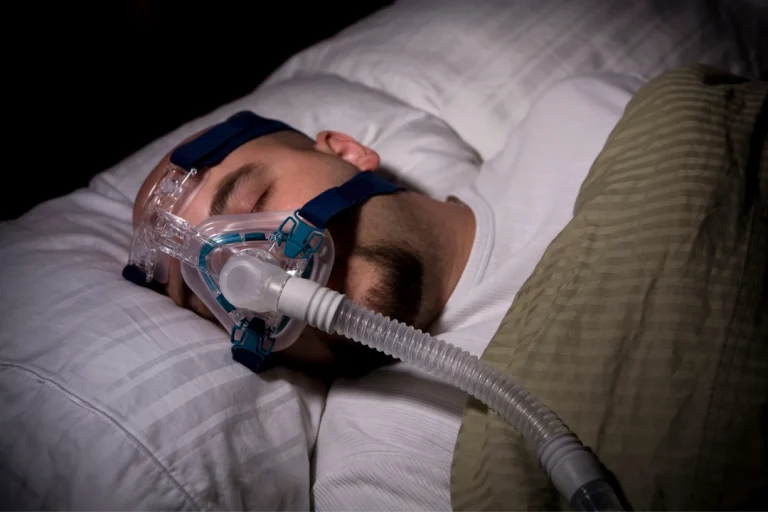
Diagnosis requires a sleep study — either in-lab polysomnography or a home sleep apnea test for appropriate candidates. Treatment options range from CPAP therapy to oral appliances to surgical and positional interventions depending on OSA phenotype and severity. The full range of sleep apnea treatment available at Vector Sleep Diagnostic Center is matched to the individual patient’s contributing factors rather than applied uniformly.
Restless Legs Syndrome and Circadian Rhythm Disorders
Restless legs syndrome affects approximately 7 to 10 percent of the US population and is significantly more prevalent in women than men and in middle-aged to older adults. The defining symptom — an uncomfortable urge to move the legs, predominantly in the evening and at rest, that is partially or completely relieved by movement — directly disrupts sleep onset and maintenance. RLS is commonly comorbid with periodic limb movements of sleep (PLMS), repetitive leg movements during sleep that produce arousals without conscious awakening and reduce sleep quality independently. RLS is both primary (likely dopaminergic pathway dysfunction with genetic contribution) and secondary — iron deficiency is a well-established precipitant, and evaluation for iron status is part of every new RLS assessment at Vector.
Circadian rhythm sleep-wake disorders represent a distinct category from insomnia and sleep apnea and are more prevalent in NYC’s population than in populations with more regular light-dark cycles and work schedules. Delayed sleep-wake phase disorder — in which the circadian system is phase-delayed such that the natural sleep window is shifted two to six hours later than conventional timing — is common in young adults, particularly students and shift workers in NYC’s entertainment, hospitality, and technology sectors. Advanced sleep-wake phase disorder, in which sleep onset and waking occur abnormally early, is more common in older adults. Shift work disorder and jet lag disorder complete the circadian category. These conditions are distinct from insomnia: the problem is not an inability to sleep, but sleep occurring at the wrong circadian phase relative to social or occupational requirements.
Parasomnias and Less Common Sleep Disorders in New York City
Parasomnias — abnormal behaviors, movements, or experiences that occur during sleep transitions or specific sleep stages — encompass a clinically diverse group of conditions. NREM parasomnias (sleepwalking, sleep terrors, confusional arousals) arise from incomplete arousals from slow-wave sleep, are more common in children than adults but can persist into or emerge in adulthood, and are frequently triggered or worsened by sleep deprivation, alcohol, and sedative medications. In a city where chronic partial sleep deprivation is normative, NREM parasomnias can emerge in adults who were never affected in childhood.
REM sleep behavior disorder (RBD) is a distinct parasomnia in which the normal motor atonia of REM sleep is absent, allowing patients to physically act out dream content. Unlike NREM parasomnias, RBD in adults is a neurological condition with significant clinical implications: idiopathic RBD is a prodromal marker of synucleinopathy, preceding Parkinson’s disease, Lewy body dementia, or multiple system atrophy by years to decades in a substantial proportion of affected patients. Formal evaluation and diagnosis of RBD is therefore not simply a matter of managing a nuisance behavior — it has implications for neurological monitoring and early neuroprotective intervention where available.
Narcolepsy — characterized by excessive daytime sleepiness, cataplexy, sleep paralysis, and hypnagogic hallucinations — affects approximately 1 in 2,000 individuals and is chronically underdiagnosed, with average time from symptom onset to diagnosis exceeding seven years in published series. Excessive daytime sleepiness in NYC’s workforce is often attributed to inadequate sleep quantity before narcolepsy is considered, delaying diagnosis and appropriate treatment.
Sleep Disorder Evaluation at Vector Sleep Diagnostic Center in Queens, NY
Dr. Dmitriy Kolesnik, MD, is a board-certified neurologist and sleep medicine specialist who has served as Medical Director of Vector Sleep Diagnostic Center since 2009 and as a Clinical Instructor in Neurology at Weill Cornell Medical College since 2012. Vector Sleep Diagnostic Center evaluates the full range of sleep disorders affecting NYC residents — insomnia, sleep apnea, RLS, circadian rhythm disorders, and parasomnias — with diagnostic pathways matched to each condition’s specific evaluation requirements. A clinical evaluation begins with understanding which disorder is most likely, because treatments are condition-specific and overlap in symptom presentation is common. Call (718) 830-2800 or schedule an evaluation online to speak with Dr. Kolesnik’s team.
Key Resources and Entities
Key Entities
- Insomnia (Q178084) — the most prevalent sleep disorder among NYC residents; driven by the city’s chronic hyperarousal environment, light pollution, noise, and occupational stress, and treated most effectively with CBT-I rather than pharmacotherapy
- Obstructive sleep apnea (Q202387) — significantly underdiagnosed in NYC’s adult population; cardiovascular consequences are a major public health burden in the boroughs, and diagnosis requires polysomnography or home sleep testing
- Restless legs syndrome (Q192520) — a neurological sleep disorder affecting 7–10% of the population; iron deficiency is a modifiable secondary cause that requires evaluation at diagnosis
- Sleep medicine (Q1426307) — the medical specialty that differentiates and diagnoses the distinct sleep disorders prevalent in NYC, since symptom overlap between insomnia, sleep apnea, RLS, and circadian disorders is common
- Polysomnography (Q855091) — the in-lab sleep study that definitively characterizes sleep architecture, breathing patterns, and movement disorders; required for diagnosis of sleep apnea, parasomnias, narcolepsy, and REM sleep behavior disorder
Authoritative Resources
- Sleep Foundation: Sleep Disorders Overview — evidence-based summaries of the major sleep disorders, their prevalence, symptoms, and treatment options
- NHLBI: Sleep Disorders — National Heart, Lung, and Blood Institute clinical resource on insomnia, sleep apnea, RLS, and circadian rhythm disorders
- AASM: Sleep Apnea Facts — American Academy of Sleep Medicine fact sheet on obstructive sleep apnea prevalence, risk factors, and treatment approaches
Topic Overview
New York City residents face elevated sleep disorder risk from a convergence of environmental factors (light pollution attenuating melatonin, noise-induced sleep fragmentation), occupational factors (shift work, high-pressure industries with irregular hours, long commutes), and cultural norms that normalize late schedules. The most prevalent sleep disorders are insomnia — driven by hyperarousal and behavioral perpetuating factors — and obstructive sleep apnea, which is substantially underdiagnosed despite high cardiovascular disease burden in the boroughs. RLS, circadian rhythm disorders (particularly delayed sleep-wake phase in young urban adults), NREM and REM parasomnias, and narcolepsy round out the clinical spectrum evaluated at sleep centers serving the NYC population. Each condition has a distinct diagnostic pathway and treatment approach, making accurate diagnosis the essential first step.
Frequently Asked Questions About Sleep Disorders in New York City
What is the most common sleep disorder in New York City?
Insomnia disorder is the most prevalent sleep condition in NYC’s adult population, consistent with national data showing chronic insomnia affects roughly 10 to 15 percent of adults. New York City’s specific risk factors — chronic stress from high-pressure occupations, light pollution delaying melatonin secretion, noise-induced sleep fragmentation, and the normalization of late and irregular schedules — amplify insomnia risk above national baseline levels. Obstructive sleep apnea is likely the most underdiagnosed condition, with the majority of affected patients unaware they have it.
Does living in NYC cause sleep disorders?
NYC doesn’t cause sleep disorders independently, but it creates environmental and behavioral conditions that substantially increase risk for people who are already predisposed. Light pollution and nighttime noise are the most directly measurable environmental contributors. Occupational stress and irregular work schedules are behavioral contributors. A person without any underlying predisposition to insomnia or sleep apnea can develop either condition if environmental and behavioral factors are sufficiently severe and persistent. For people with anatomical or physiological predispositions, NYC’s environment accelerates the onset and worsens the severity.
How do I know which sleep disorder I have?
Symptom overlap between sleep disorders is significant. Daytime fatigue and unrefreshed sleep are common to insomnia, sleep apnea, RLS, and circadian rhythm disorders. Difficulty falling asleep can reflect insomnia, delayed sleep phase disorder, or hyperarousal from sleep apnea. Mood and cognitive symptoms are present across multiple conditions. Accurate diagnosis requires a structured clinical evaluation — and in many cases a sleep study — because the treatments for different conditions are distinct. Treating sleep apnea with CBT-I, or treating insomnia with CPAP, does not produce benefit. Getting the diagnosis right is the prerequisite for effective treatment.
Is sleep apnea more common in New York City than elsewhere?
OSA prevalence in NYC reflects the national data — roughly 10 to 30 percent of adults depending on age, BMI, and sex — but the diagnostic rate may be lower in underserved NYC populations who have less access to sleep medicine evaluation. The cardiovascular consequences of untreated OSA (hypertension, atrial fibrillation, metabolic syndrome) have higher prevalence in certain NYC boroughs, and identifying undiagnosed OSA in those populations is a meaningful public health objective. NYC’s large workforce of commercial drivers and transit operators also represents a high-risk group with both elevated OSA prevalence and significant safety implications from untreated disease.
What treatments are available for sleep disorders in New York City?
Treatment depends on the specific disorder. Insomnia is treated primarily with Cognitive Behavioral Therapy for Insomnia (CBT-I), with selective pharmacotherapy for appropriate patients. Sleep apnea is treated with CPAP, oral appliances, positional therapy, weight loss, or surgical intervention depending on severity and phenotype. RLS is treated with iron repletion where indicated, dopaminergic medications, and behavioral modification. Circadian rhythm disorders are treated with light therapy, chronotherapy, and melatonin at physiological doses timed to the desired circadian shift. Each treatment requires accurate diagnosis first.
Schedule a Sleep Disorder Evaluation in Queens, NY
Vector Sleep Diagnostic Center provides comprehensive evaluation and treatment for all major sleep disorders affecting NYC residents. Whether you are struggling with chronic insomnia, suspect you may have sleep apnea, or are experiencing symptoms that have not been explained by a previous evaluation, the diagnostic process at Vector begins with identifying the specific condition driving your symptoms. Call (718) 830-2800 or schedule an evaluation online to speak with Dr. Kolesnik’s team.