Narcolepsy Care in New York: Diagnosis and Support at Vector Sleep Diagnostic Center
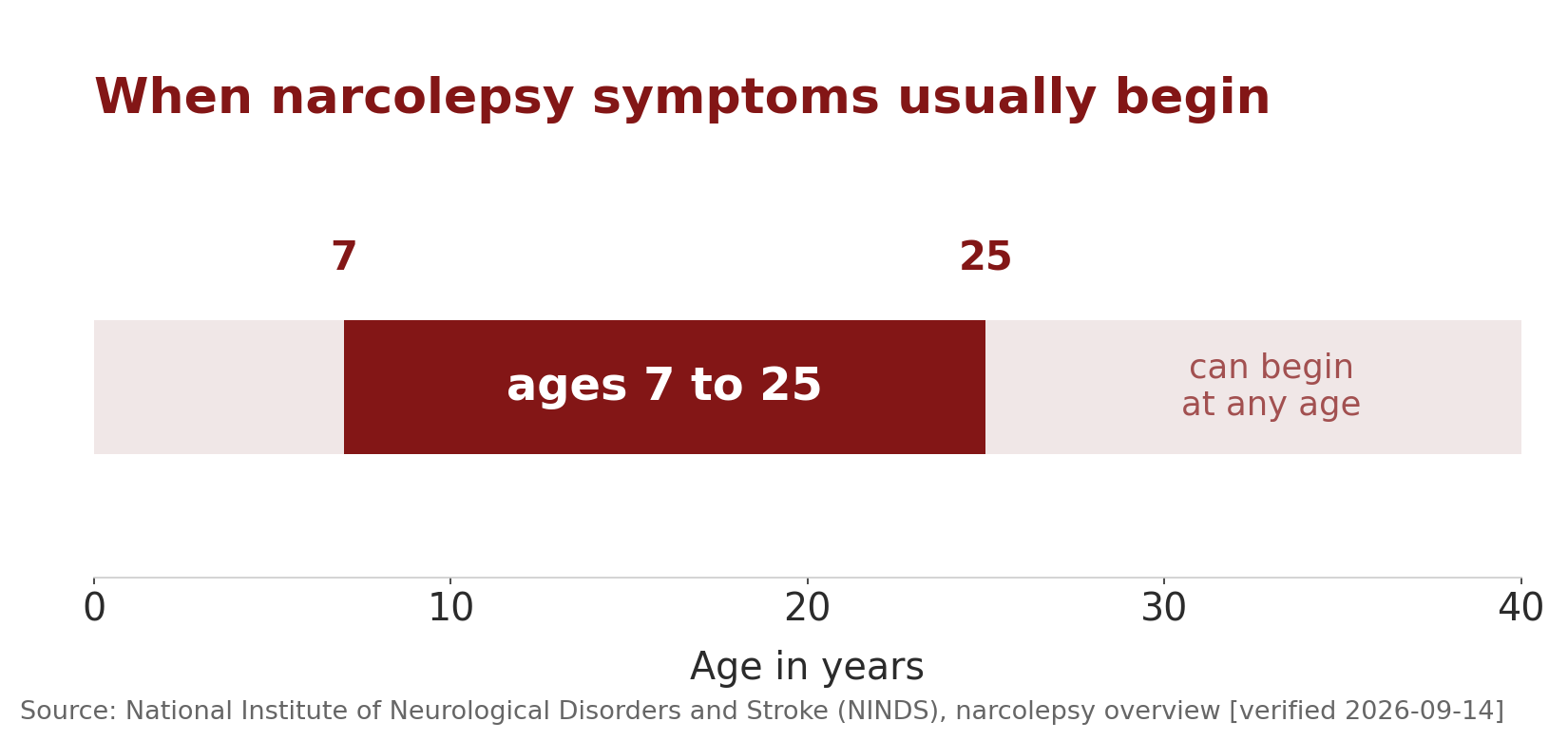
Narcolepsy is a chronic neurological sleep disorder that affects how the brain regulates the sleep-wake cycle. People living with narcolepsy often experience overwhelming daytime sleepiness, sudden episodes of muscle weakness, and disrupted nighttime sleep, even after a full night in bed. For New Yorkers juggling long commutes, demanding jobs, and a fast-paced city, undiagnosed narcolepsy can be mistaken for simple exhaustion for years before it is properly identified. Vector Sleep Diagnostic Center, located in Rego Park, Queens, provides in-person sleep testing and results review for patients across New York City who suspect narcolepsy or another sleep disorder may be behind their symptoms.
What Narcolepsy Looks Like Day to Day
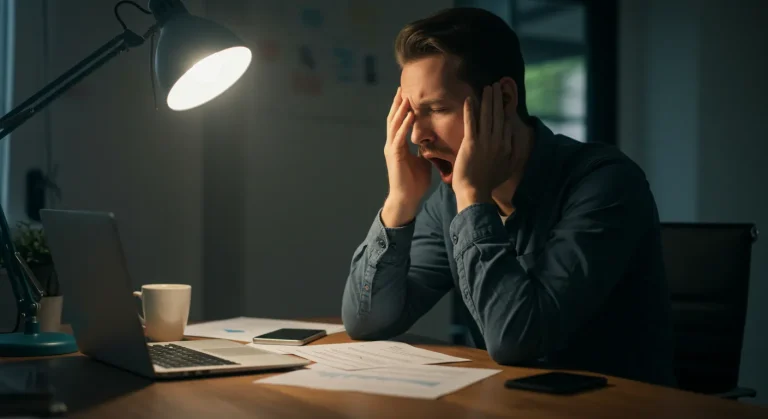
Narcolepsy does not look the same in every person. Some patients describe falling asleep suddenly during meetings, meals, or while talking with friends. Others notice a sudden loss of muscle control triggered by strong emotions like laughter or surprise, a symptom known as cataplexy. Many people also report vivid dreams right as they fall asleep or wake up, along with brief episodes where they cannot move their body for a few seconds after waking. Because these symptoms can be sporadic, it is common for people to live with them for months or years before seeking a professional evaluation. Someone who nods off on the subway or during a work presentation may assume they simply need more coffee or an earlier bedtime, when the real cause is a neurological sleep condition that needs proper diagnosis.
Why Narcolepsy Is Often Missed or Misdiagnosed
Narcolepsy symptoms overlap with other conditions, including depression, anxiety, and general sleep deprivation, which is part of why the disorder can go unrecognized for so long. Excessive daytime sleepiness is also a hallmark of sleep apnea, and someone with narcolepsy could be assuming their fatigue has a different cause entirely. That overlap is exactly why an in-person sleep evaluation matters: symptoms that feel like “just being tired” can point to several different underlying conditions, and only monitored testing can sort out which one is actually present. Anxiety in particular can complicate the picture. Readers who want to understand how stress and sleep interact can review our guide on managing anxiety-related sleep disorders, which addresses some of the same daytime fatigue patterns that narcolepsy can produce.
How Vector Sleep Diagnostic Center Evaluates Narcolepsy
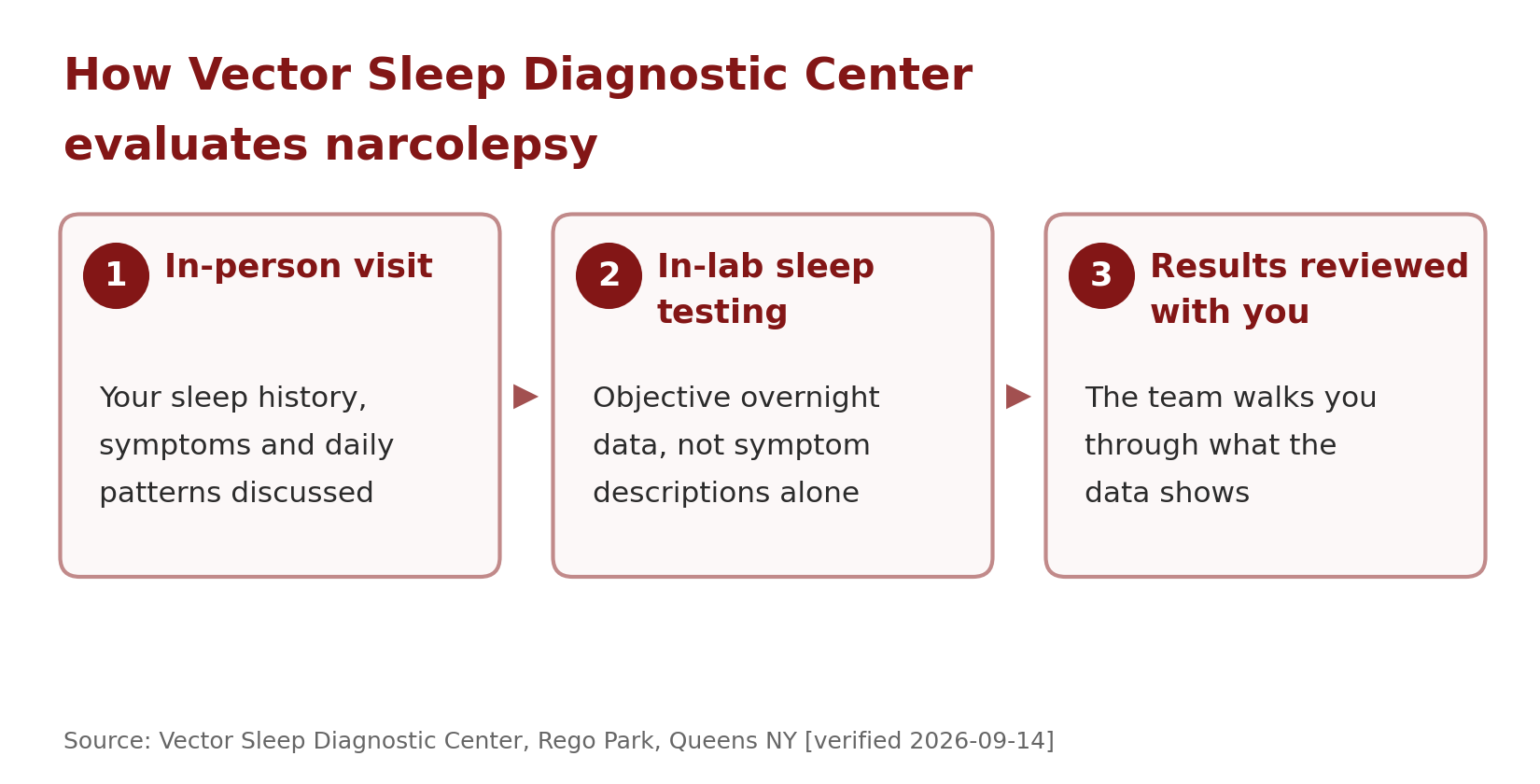
Diagnosing narcolepsy starts with an in-person visit where a patient’s sleep history, symptoms, and daily patterns are discussed in detail. From there, Vector Sleep Diagnostic Center provides in-person sleep testing to gather objective data on how a patient sleeps, rather than relying on symptom descriptions alone. Once testing is complete, the clinic’s team reviews the results directly with each patient so they understand what the data shows and what it means for their diagnosis. This hands-on approach means patients are not left interpreting a report on their own. Appointments, scheduling, and results conversations are all handled by the clinic’s own team, so care stays consistent from the first visit through the follow-up discussion.
Book an in-person narcolepsy evaluation
Vector Sleep Diagnostic Center is at 62-60 99th St #26, Rego Park, Queens, NY. Call to discuss your symptoms and get scheduled for in-lab sleep testing.
Living With Narcolepsy in a City That Never Slows Down
The city runs on speed: early starts, packed subway platforms, long shifts, and social schedules that stretch late into the night. For someone with narcolepsy, that pace can make symptoms harder to manage and harder to explain to coworkers, friends, or family who do not understand the condition. Simple daily choices, like when to schedule a nap, how to structure work breaks, or how to plan a commute, can make a meaningful difference in how well someone functions day to day. For practical, everyday approaches to living with the condition, see our page on lifestyle tips for managing narcolepsy symptoms. Building a routine around a confirmed diagnosis, rather than guessing at the cause of chronic sleepiness, is often the first real step toward feeling more in control.
Narcolepsy, Family Patterns, and Other Sleep Conditions
Some sleep disorders run in families, and patients sometimes ask whether narcolepsy is something they may have passed on to their children or inherited from a parent. Genetics can play a role in a person’s risk for certain sleep conditions, though family history alone does not confirm a diagnosis. Our page on whether sleep disorders can be hereditary in families covers this topic in more depth. It is also worth remembering that narcolepsy is only one of many sleep disorders that can affect a household. Parents managing their own sleep symptoms may want to review how common sleep issues are in children, since kids can show signs of sleep disruption that look very different from adult symptoms. Sleep patterns also shift with age, and our guide on how aging affects sleep disorders explains how risk and presentation can change over a lifetime.
Screen Time, Habits, and Daytime Sleepiness
Patients frequently ask whether their phone, laptop, or late-night television use could be contributing to their sleepiness. While screen habits are not a cause of narcolepsy itself, they can make any existing sleep disorder harder to manage by delaying bedtime and interfering with the body’s natural wind-down process. Our article on whether technology use before bedtime worsens sleep patterns looks at this connection in detail. For someone already dealing with narcolepsy, cutting back on screens before bed will not resolve the underlying condition, but it can support whatever treatment and management plan is put in place after diagnosis.
Other Sleep Behaviors Worth Mentioning to Your Provider
Narcolepsy can sometimes appear alongside other unusual sleep behaviors, and patients should feel comfortable mentioning anything unusual during their evaluation, even if it seems unrelated. For example, some patients wonder about sleepwalking and whether it connects to their other symptoms. Our page on whether how common sleepwalking is covers this separate but related topic. Being thorough during the intake conversation, rather than only mentioning the most obvious symptom, gives the clinical team a fuller picture and helps guide which tests are most appropriate.
Our Experience With Sleep Disorder Patients
Vector Sleep Diagnostic Center has focused specifically on sleep health, working with patients who come in with a wide range of sleep concerns, from suspected sleep apnea to unexplained daytime fatigue. Because the center handles testing, results review, and scheduling with its own local team, patients see the same clinic from their first appointment through their diagnosis conversation, rather than being routed between disconnected providers. That continuity, paired with in-person testing rather than remote or mail-in evaluation, allows the clinical team to observe patients directly and walk them through their results in a way that is easier to understand than a report alone.
Finding Community While You Manage a Diagnosis
A narcolepsy diagnosis can feel isolating, especially in a city where most people are unfamiliar with the condition and may not understand why sudden sleepiness or muscle weakness happens. Connecting with others who manage similar symptoms can make daily life easier, whether that means practical tips for handling symptoms at work or simply knowing you are not the only one navigating an unpredictable schedule around your body’s needs. For patients looking for that kind of connection, our page on support groups for people with sleep disorders is a good starting point. According to the National Institute of Neurological Disorders and Stroke, narcolepsy is a lifelong condition, but ongoing management and support can help people build a stable, functional routine around it (NINDS narcolepsy overview).
Frequently Asked Questions
What is the difference between narcolepsy and simply being tired all the time?
Ordinary tiredness usually improves with rest and better sleep habits, while narcolepsy involves the brain’s regulation of sleep and wakefulness itself, so sudden sleep episodes and other symptoms can persist even when someone is getting enough hours in bed. An in-person sleep evaluation is the clearest way to tell the two apart.
Do I need a referral to get evaluated for narcolepsy at Vector Sleep Diagnostic Center?
The clinic’s own team handles appointments and scheduling directly, so the best next step is to contact Vector Sleep Diagnostic Center in Rego Park to discuss your symptoms and get scheduled for an in-person evaluation.
Can narcolepsy be tested for at the same visit as sleep apnea?
Vector Sleep Diagnostic Center provides in-person sleep testing to evaluate a range of sleep disorders, including sleep apnea and other conditions that can cause excessive daytime sleepiness. Your evaluation will be based on your specific symptoms and history.
How will I understand my results after testing?
The clinic’s team reviews each patient’s results with them directly after testing, walking through the findings and explaining what they mean for diagnosis and next steps, rather than leaving patients to interpret a report alone.
Is narcolepsy something that can be managed long term?
Narcolepsy is a chronic condition, but many people build routines and management strategies that help them function well day to day once they have a clear diagnosis. Ongoing support, including lifestyle adjustments and connection with others managing similar symptoms, can make a meaningful difference over time.
If you have noticed sudden sleepiness, unexplained muscle weakness, or daytime fatigue that does not improve with rest, do not wait to have it evaluated. Reach out to Vector Sleep Diagnostic Center to schedule an in-person sleep evaluation and get clear, direct answers about what is happening with your sleep.
Book an in-person narcolepsy evaluation
Vector Sleep Diagnostic Center is at 62-60 99th St #26, Rego Park, Queens, NY. Call to discuss your symptoms and get scheduled for in-lab sleep testing.