What Are the Benefits of Seeing a Sleep Specialist Early?
Seeing a sleep specialist early means catching sleep disorders before they cause irreversible damage to your health. Research consistently shows that untreated sleep disorders, particularly sleep apnea and chronic insomnia, raise the risk of serious conditions like heart disease, stroke, diabetes, and depression. The problem is that the vast majority of people with these conditions go undiagnosed for years. According to the Institute of Medicine (US) Committee on Sleep Medicine and Research, an estimated 50 to 70 million Americans chronically suffer from a sleep or wakefulness disorder, and roughly 80 to 90 percent of adults with clinically significant sleep-disordered breathing remain undiagnosed. Early evaluation by a trained sleep specialist can change that trajectory, giving you a clear diagnosis and a treatment plan before complications accumulate.
We see the consequences of delayed diagnosis regularly in our practice. Patients who wait years to address their sleep problems often present with multiple compounding health issues that could have been managed more simply if caught earlier. This article covers the concrete benefits of early evaluation, the risks of waiting, and what you should consider before scheduling a consultation.
Why Early Evaluation Matters
The connection between sleep and overall health is no longer debated in the medical community. The Centers for Disease Control and Prevention (CDC) has highlighted the growing recognition of sleep as a public health priority, noting that insufficient sleep is linked to numerous chronic diseases and that racial and ethnic minority groups are disproportionately affected by sleep disparities. In 2020, roughly one-third of U.S. adults reported getting less than seven hours of sleep per night, a figure the CDC describes as a national imperative given the downstream effects on health care costs and quality of life.
Early evaluation by a sleep specialist offers several distinct advantages:
- Accurate diagnosis. Sleep disorders share overlapping symptoms. Loud snoring could indicate sleep apnea, but it could also point to other upper airway issues. Chronic daytime fatigue might stem from insomnia, narcolepsy, or an undiagnosed breathing disorder. A specialist uses sleep studies and clinical evaluation to pinpoint the actual problem.
- Prevention of secondary conditions. Sleep apnea, for instance, is linked to hypertension, heart disease, stroke, diabetes, and depression. The longer it goes untreated, the more damage accumulates. Early diagnosis interrupts that cycle.
- Better treatment outcomes. Patients who are diagnosed earlier tend to respond better to treatment and are less likely to need aggressive interventions. This is especially true for conditions like insomnia, where chronic cases become harder to treat over time.
How Sleep Disorders Affect the Body When Left Untreated
The body does not simply “adapt” to poor sleep. Research from Harvard Medical School’s Division of Sleep Medicine outlines how obstructive sleep apnea specifically raises the risk of hypertension, heart disease, heart attacks, heart failure, stroke, and diabetes. The mechanisms are well documented: repeated breathing pauses cause drops in blood oxygen, which activate the sympathetic nervous system and place sustained stress on the cardiovascular system.
The StatPearls clinical reference on sleep disorders reinforces that early identification of sleep disorders is essential to prevent complications. The reference notes that children with sleep problems may present differently than adults, often showing behavioral issues like motor overactivity, inattentiveness, and irritability rather than obvious sleepiness, which makes early specialist evaluation even more important for younger patients.
Common Sleep Disorders and Their Overlapping Symptoms
Understanding which disorder might match your experience can help you decide whether to seek an evaluation.
| Sleep Disorder | Key Symptoms | Often Confused With |
|---|---|---|
| Obstructive Sleep Apnea | Loud snoring, gasping during sleep, morning headaches, daytime fatigue | Narcolepsy, idiopathic hypersomnia |
| Insomnia | Difficulty falling asleep or staying asleep, racing thoughts at night, daytime impairment | Anxiety disorders, poor sleep habits |
| Narcolepsy | Sudden sleep attacks, cataplexy (muscle weakness triggered by emotion), excessive daytime sleepiness | Sleep apnea, depression |
| Restless Legs Syndrome | Urge to move legs at night, uncomfortable sensations in the limbs, disrupted sleep | Periodic limb movement disorder, anxiety |
| Circadian Rhythm Disorders | Inability to fall asleep at a desired time, difficulty waking, shift work-related sleep disruption | Insomnia, delayed sleep phase |
Tip from our experience: Keep a simple sleep diary for one to two weeks before your appointment. Note your bedtime, estimated time to fall asleep, number of awakenings, and how you feel the next day. This information is genuinely useful for a specialist during the initial evaluation.
The Broader Health Consequences of Waiting
The costs of delaying a sleep evaluation go beyond just feeling tired. According to a comprehensive review published in PMC on the clinical consequences of untreated sleep apnea, undiagnosed and untreated obstructive sleep apnea syndrome leads to abnormal physiology that results in increased cardiovascular disease, stroke, metabolic disease, workplace errors, traffic accidents, and premature death. The same review found that healthcare costs for undiagnosed sleep apnea patients run between $1,950 and $3,899 more per patient per year compared to individuals without the condition.
Beyond the clinical data, there are practical consequences that we see regularly. Patients with untreated sleep apnea report strained relationships due to disruptive snoring, reduced work performance, and a declining quality of life that often creeps up so gradually they do not connect it back to their sleep until a significant health event occurs.
Tip from our experience: If your bed partner has noticed pauses in your breathing during sleep, mention this to the specialist. It is one of the strongest indicators of obstructive sleep apnea and can help guide which type of sleep study is most appropriate for you.
Mental Health and Cognitive Function
Sleep and mental health influence each other in both directions. The CDC notes that insufficient sleep is associated with depression, cognitive difficulties, reduced quality of life, and impaired immune function. The Institute of Medicine report found that sleep loss is associated with increased risk of depressed mood, anxiety, and alcohol use, and that the effects worsen with greater sleep deprivation.
For people already managing mental health conditions, undiagnosed sleep disorders can make treatment less effective. Antidepressant medications, for example, can sometimes disrupt sleep architecture, and poor sleep can reduce the effectiveness of therapy. A sleep specialist can work alongside your existing providers to untangle these interactions and recommend adjustments that improve both sleep and mental health outcomes.
Things to Consider Before Making a Decision
If you are thinking about scheduling a sleep consultation, here are the factors worth considering:
- Duration of symptoms. Have your sleep problems lasted more than three months? Chronic issues generally warrant a professional evaluation sooner rather than later. Even if you have only noticed symptoms for a few weeks, a severe onset (like loud snoring with witnessed breathing pauses) should not wait.
- Daytime impairment. Are your sleep problems affecting your daily life? Difficulty concentrating at work, excessive sleepiness during routine activities, or nodding off while driving are serious signs that need attention.
- Existing health conditions. If you already have hypertension, diabetes, heart disease, or depression, an undiagnosed sleep disorder could be making these conditions harder to control.
- Bed partner observations. Has someone told you that you snore loudly, gasp, or stop breathing during sleep? Bed partner reports are among the most reliable clinical indicators of obstructive sleep apnea.
- Previous treatment attempts. Have you tried over-the-counter sleep aids or prescription medications without improvement? A specialist can determine whether the underlying issue is more complex than simple insomnia.
Tip from our experience: Bring a complete list of all medications you currently take, including over-the-counter products and supplements. Some medications can interfere with sleep quality, and identifying these interactions is an important part of the evaluation.
What to Expect From Treatment
Treatment is personalized based on the specific diagnosis and its severity. For sleep apnea, the most common approach is positive airway pressure therapy, which keeps the airway open during sleep. For insomnia, cognitive behavioral therapy for insomnia has been shown to produce lasting improvements and is considered a first-line treatment. Restless legs syndrome often responds to medication or addressing underlying iron deficiency. Circadian rhythm disorders may be managed with light therapy and carefully timed sleep schedules.
The important point is that treatment exists and it works. The earlier a diagnosis is made, the more treatment options are available and the better the outcomes tend to be.
Take the Next Step
Sleep problems that persist for more than a few weeks are not something you simply have to live with. They are a medical concern that deserves professional attention, and the earlier that attention happens, the better your long-term outcomes will be. If you have been putting off an evaluation, now is the time to act. Contact Vector Sleep Diagnostic Center at vectorsleep@gmail.com or call us at +1 718-830-2800 to discuss your situation and schedule a consultation. Our team has extensive experience diagnosing and treating the full range of sleep disorders, and we are here to help you get the restful, restorative sleep your health depends on.
FAQs
How long does a sleep study take?
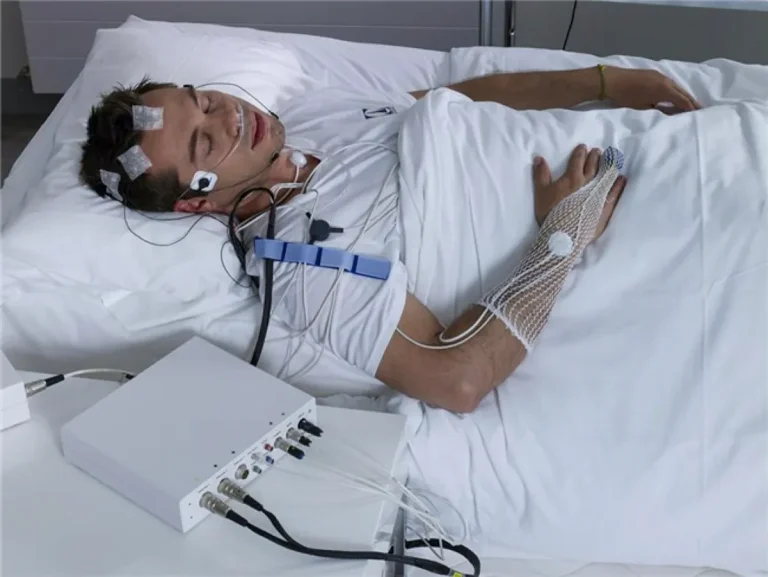
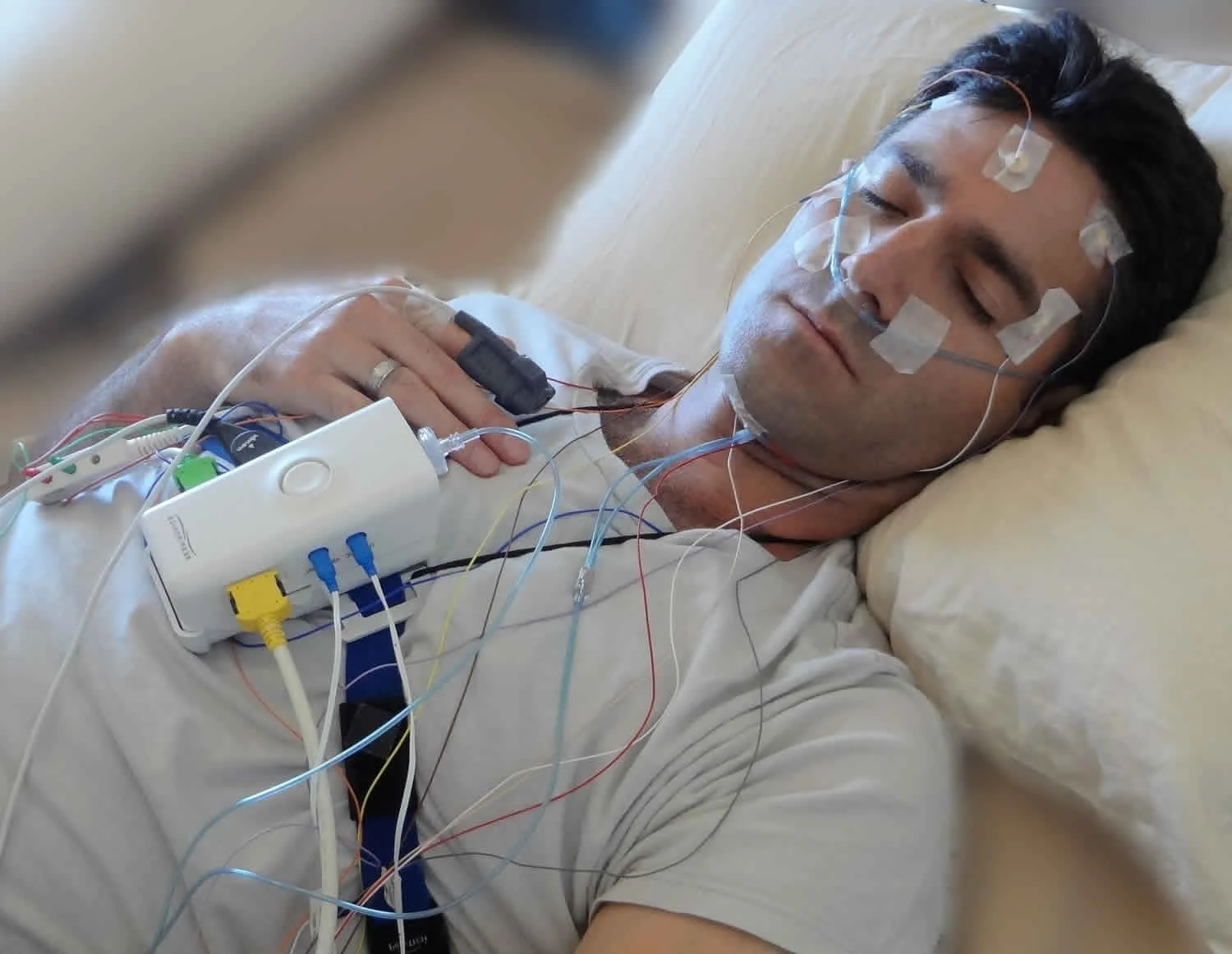
A sleep study, or polysomnography, typically requires an overnight stay in a sleep lab. Home sleep tests are also available for certain conditions and can be completed in the comfort of your own bed, usually over one to two nights.
Will my insurance cover a sleep consultation?
Most major insurance plans cover sleep evaluations and sleep studies when deemed medically necessary. We recommend verifying your specific coverage with your insurance provider before scheduling, and our staff can help with any pre-authorization paperwork.
At what age should someone consider seeing a sleep specialist?
Sleep disorders can affect people of all ages. Children who exhibit behavioral issues, difficulty concentrating, or chronic snoring should be evaluated. Adults of any age who notice persistent sleep problems should seek consultation, with increased urgency as risk factors like weight, family history, and existing medical conditions accumulate.
How quickly will I feel better after treatment?
Many patients report noticeable improvement in daytime alertness within days to weeks of starting treatment for conditions like sleep apnea. Insomnia often takes longer to resolve because behavioral and cognitive factors are involved, but most patients see meaningful progress within a few weeks of starting a structured treatment plan.
What if I already use a CPAP machine but still feel tired?
Residual sleepiness despite CPAP use is a common reason people come to our practice. This can indicate that the pressure settings need adjustment, the mask fit is poor, or there is an additional sleep disorder present that has not been addressed. A follow-up evaluation can identify the problem and adjust your treatment accordingly.
Sources
- Institute of Medicine (US) Committee on Sleep Medicine and Research – Comprehensive report on the extent and health consequences of chronic sleep loss and sleep disorders in the United States
- Centers for Disease Control and Prevention (CDC) – Editorial on the relationship between sleep deprivation, sleep disorders, and chronic disease
- Harvard Medical School Division of Sleep Medicine – Educational resource on the health consequences of obstructive sleep apnea