Sleep Apnea: Symptoms, Risks and Treatments
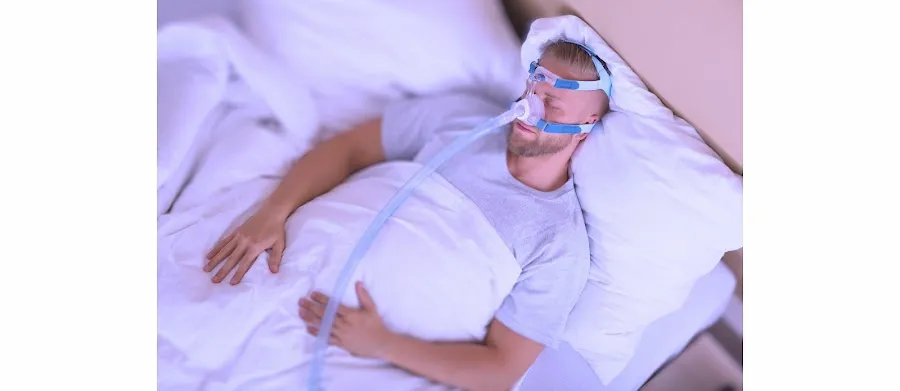
Sleep apnea is a common condition in which your breathing stops and restarts many times while you sleep, which can keep your body from getting enough oxygen (NHLBI). If someone tells you that you snore or gasp for air during sleep, or you wake tired no matter how long you stay in bed, it is worth asking about. This guide covers the symptoms, the health risks and the sleep apnea treatment options, using NHLBI and MedlinePlus as sources.
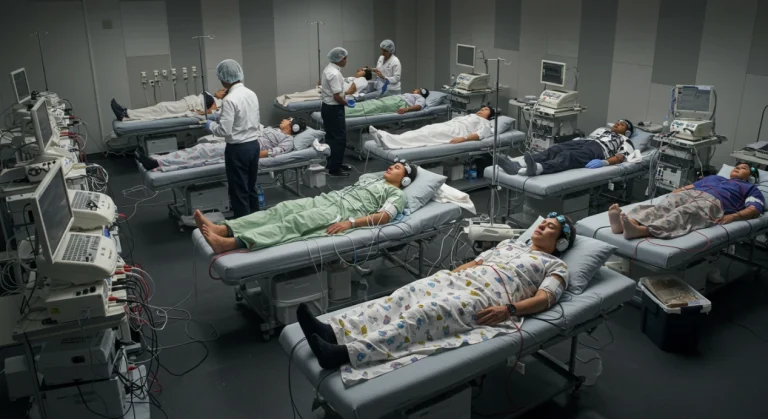
Vector Sleep Diagnostic Center has served patients since 2005 from our clinic in Rego Park, Queens, and runs 900 to 1000 overnight sleep studies a year. Our medical director, Dr. Dmitriy Kolesnik, is board certified in neurology and sleep medicine.
What Is Sleep Apnea?
There are two types of sleep apnea (NHLBI). Obstructive sleep apnea, also called OSA, happens when your upper airway becomes blocked many times while you sleep, which can reduce or completely stop airflow. It is the most common type. Obesity, large tonsils and changes in hormone levels can narrow the airway and raise the risk. Central sleep apnea occurs when your brain does not send the signals needed to breathe.
MedlinePlus adds that breathing pauses can last from a few seconds to minutes and may occur 30 times or more an hour, and that normal breathing often restarts with a snort or choking sound. People with sleep apnea often snore loudly, but not everyone who snores has sleep apnea.
Symptoms of Sleep Apnea
The signs of sleep apnea are easy to mistake for stress or ordinary tiredness. NHLBI lists these symptoms while you sleep:
- Breathing that starts and stops
- Frequent loud snoring (more common in men)
- Gasping for air
You may not know you have them until someone tells you. You may also notice these during the day (NHLBI):
- Daytime sleepiness and tiredness, which can lead to problems with learning, focusing and reacting
- Dry mouth
- Fatigue, headache or insomnia (each more common in women)
- Sexual dysfunction or decreased libido
- Waking up often during the night to urinate
A bed partner is often the first to notice. Ask whether they have heard loud snoring, pauses in your breathing or choking sounds, and tell your doctor. Our guide to the signs you need a sleep apnea evaluation goes through them in more detail.
Health Risks of Untreated Sleep Apnea
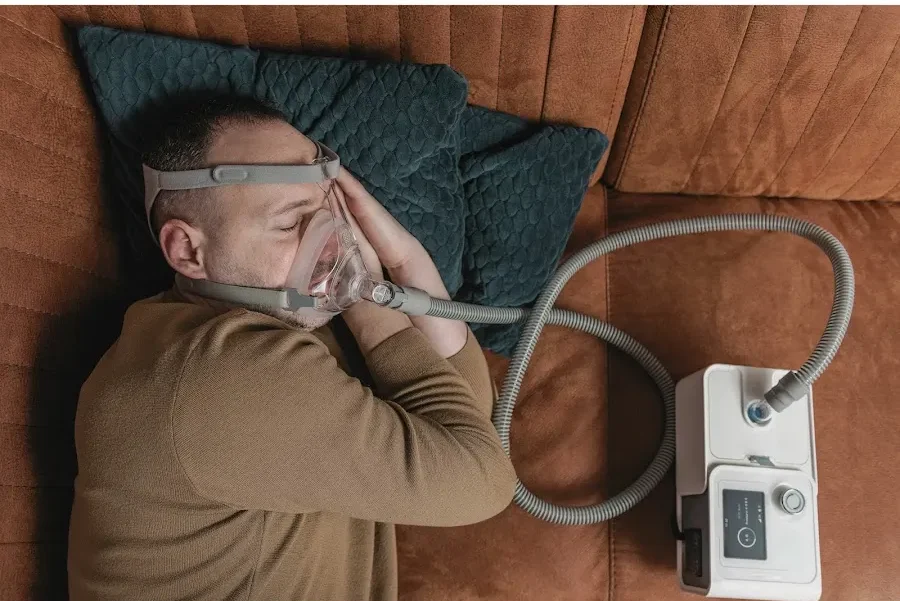
When sleep apnea is not diagnosed or treated, you may not get enough quality sleep, which can lead to trouble concentrating, making decisions, remembering things or controlling your behavior. Untreated sleep apnea also increases the risk for stroke, heart attack and other serious problems (NHLBI). MedlinePlus says people with sleep apnea are at higher risk for car crashes, work related accidents and other medical problems, so it is important to get treatment if you have it.
How Sleep Apnea Is Diagnosed
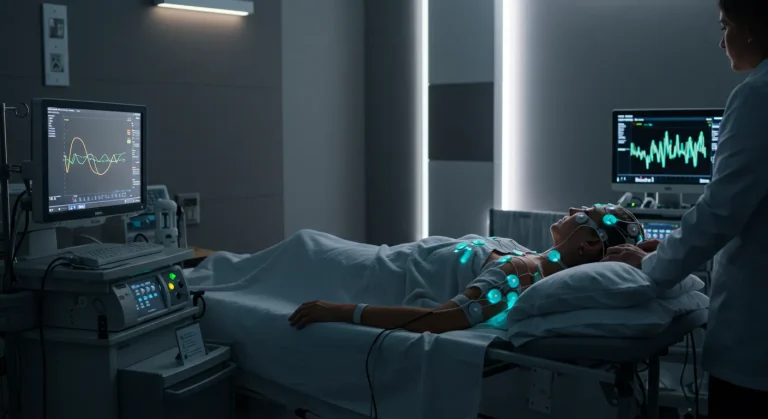
To diagnose sleep apnea, your provider may have you do a sleep study (NHLBI). MedlinePlus says doctors diagnose it from your medical and family histories, a physical exam and the sleep study results. See sleep studies at Vector for what we measure, and at-home versus in-lab sleep studies to compare the two. To prepare, use our night before sleep study checklist.
Sleep Apnea Treatment Options
If a sleep study shows that you have sleep apnea, your provider may talk to you about lifelong healthy lifestyle changes, a positive airway pressure device, an oral device or other treatments that keep your airway open while you sleep (NHLBI).
| Treatment | What it involves | Who it suits |
|---|---|---|
| Healthy lifestyle changes | Regular physical activity, healthy sleeping habits and a healthy weight, limiting alcohol and caffeine, quitting smoking, and sleeping on your side instead of your back | NHLBI calls these very effective for helping treat sleep apnea |
| Positive airway pressure (PAP) | A CPAP machine gives constant air pressure through your mouth and/or nose; BPAP changes pressure as you inhale and exhale; APAP adjusts pressure automatically | The most common treatment for sleep apnea |
| Oral devices | Custom fit mouthpieces: mandibular repositioning mouthpieces hold the lower jaw forward, tongue retaining devices hold the tongue forward | People who do not want to use or cannot tolerate a CPAP machine |
| Orofacial therapy | Exercises that strengthen and reposition the tongue and the muscles of the lips, upper airway and face | Children and adults |
| Surgery | Hypoglossal nerve stimulation, tonsillectomy, tissue removal to enlarge the upper airway, jaw advancement, or weight loss surgery | Cases where other treatments do not work or an anatomical cause is present |
Source for the table: NHLBI, Sleep Apnea Treatment.
CPAP and Other PAP Machines
A PAP machine is the most common treatment for sleep apnea, and NHLBI says PAP machines often work best when paired with healthy lifestyle changes. Side effects may include congestion, dry eyes or mouth, nosebleeds or a runny nose. If you have stomach discomfort or bloating, stop using the machine and contact your healthcare provider. What to expect at your follow up visit is covered in our guide to a CPAP follow up appointment.
Oral Devices, Medicine and Surgery
Your provider may prescribe an oral device if you do not want to use or cannot tolerate a CPAP machine, and you may be referred to a dentist or orthodontist for a custom fit (NHLBI). NHLBI also notes that the FDA recently approved an injected weight loss medicine for people with moderate to severe sleep apnea and obesity, and that it can cause serious side effects in some cases, so discuss your history with your provider. Surgery is an option when other treatments do not work. Read more about managing sleep apnea comfortably.
When to Talk to a Sleep Doctor
If you snore loudly, gasp during sleep or feel sleepy through the day, talk to your healthcare provider, since you may need a sleep study to help diagnose the condition (NHLBI). Not sure where to start? Read how snoring leads to a sleep apnea diagnosis.
To ask about a sleep study at Vector Sleep Diagnostic Center in Rego Park, Queens, email vectorsleep@gmail.com or call (718) 830-2800. Vector accepts all major insurance plans, including Medicare and Medicaid.
Frequently Asked Questions About Sleep Apnea
What are the main symptoms of sleep apnea?
NHLBI lists breathing that starts and stops, frequent loud snoring and gasping for air while you sleep, plus daytime sleepiness, dry mouth, headache, fatigue and waking often at night to urinate. You may not know about the nighttime symptoms until someone tells you.
What is the difference between obstructive and central sleep apnea?
According to NHLBI, obstructive sleep apnea happens when the upper airway is blocked many times during sleep and is the most common type. Central sleep apnea occurs when the brain does not send the signals needed to breathe.
How is sleep apnea diagnosed?
MedlinePlus says doctors diagnose sleep apnea from your medical and family histories, a physical exam and sleep study results. NHLBI says your provider may have you do a sleep study to diagnose it.
What is the most common treatment for sleep apnea?
NHLBI says a PAP machine is the most common treatment. A CPAP machine gives constant air pressure through the mouth and/or nose to keep your airways open, and it often works best when paired with healthy lifestyle changes.
What if I cannot use a CPAP machine?
NHLBI says your provider may prescribe a custom fit oral device if you do not want to use or cannot tolerate a CPAP machine. Orofacial therapy and surgery are other options, and your provider can explain which fits you.
Is untreated sleep apnea dangerous?
NHLBI says untreated sleep apnea increases the risk for stroke, heart attack and other serious problems. MedlinePlus adds that people with sleep apnea are at higher risk for car crashes and work related accidents.
Does Vector take my insurance?
Vector accepts all major insurance plans, including Medicare and Medicaid. Call (718) 830-2800 and our team will go over your coverage with you.
Sources
- NHLBI, What Is Sleep Apnea?, types, diagnosis, risks of untreated sleep apnea
- NHLBI, Sleep Apnea Symptoms, nighttime and daytime symptoms
- NHLBI, Sleep Apnea Treatment, lifestyle changes, PAP, oral devices, medicine, surgery
- MedlinePlus, Sleep Apnea, breathing pauses, diagnosis, accident risk