Sleep Apnea Doctor Manhattan Residents Trust, Right Here in Queens
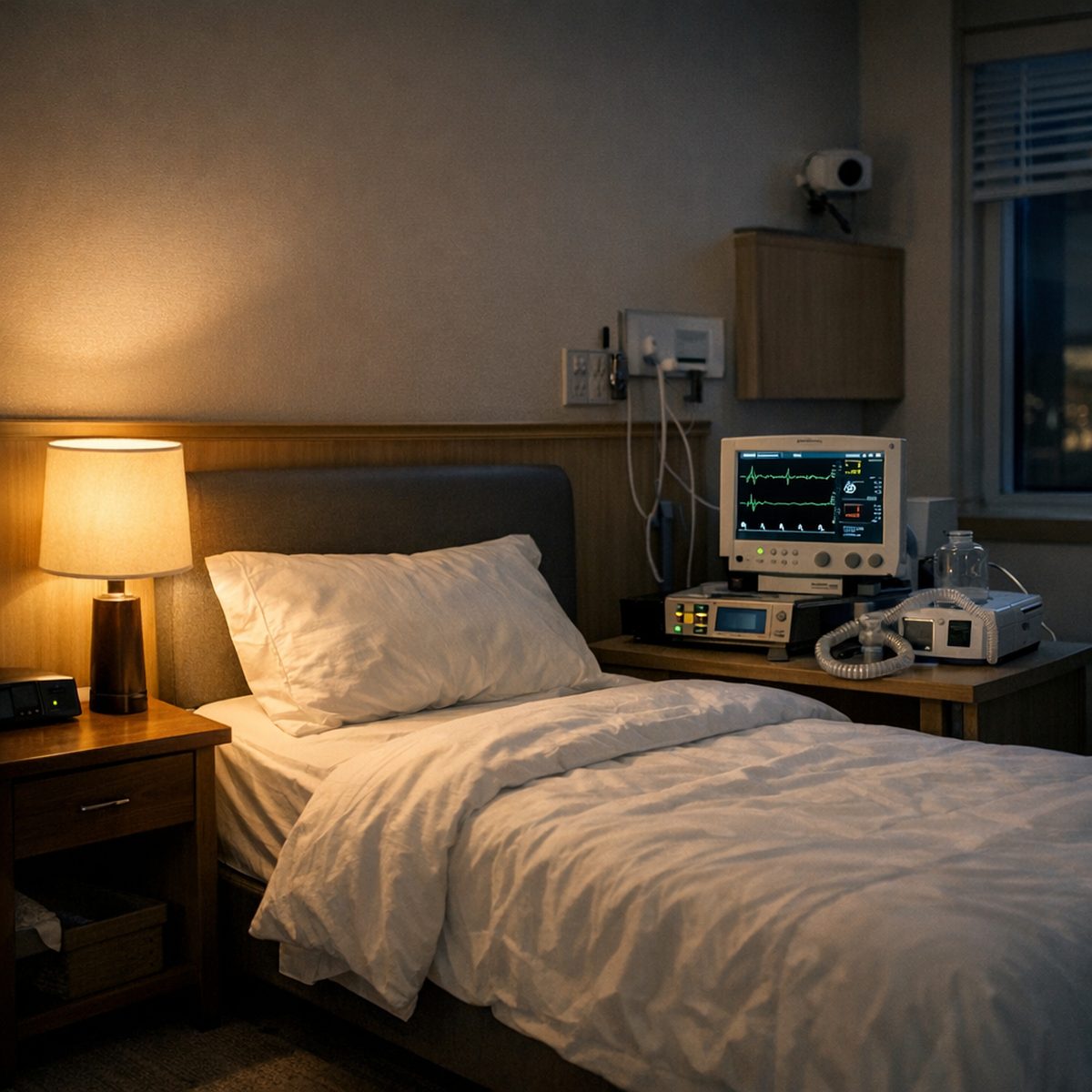
If you live or work in Manhattan and you have been putting off getting checked for sleep apnea, you are not alone. The city keeps people busy, and finding a qualified sleep apnea doctor who can actually get you from a first appointment all the way through diagnosis and into a real treatment plan can feel like a project in itself. The good news is that you do not have to search far. Vector Sleep Diagnostic Center is located in Rego Park, Queens, a quick trip from Midtown or any Manhattan neighborhood, and the clinic handles everything under one roof: in-person sleep testing, results review, and the follow-up care that turns a diagnosis into real relief.
This page explains what sleep apnea is, why it matters to get it properly evaluated, how the process works at Vector Sleep Diagnostic Center, and why many Manhattan residents choose to make the short trip to Queens rather than settle for an incomplete evaluation closer to home.
What Sleep Apnea Actually Does to Your Body
Sleep apnea is a condition in which your airway partially or fully closes during sleep, causing you to stop breathing for a few seconds at a time, sometimes many times per hour. The most common form is obstructive sleep apnea, where the soft tissue at the back of the throat collapses and blocks airflow. Central sleep apnea, which is less common, happens when the brain does not send the right signals to the muscles that control breathing.
Either way, your body reacts to each episode by briefly waking itself up to restore normal breathing. You usually do not remember these awakenings, but they fragment your sleep architecture so thoroughly that even eight hours in bed can leave you exhausted. Over time, the effects go well beyond tiredness. Chronic sleep apnea is associated with elevated blood pressure, increased cardiovascular risk, blood sugar irregularities, and cognitive problems including memory and concentration difficulties. You can read more about these wider effects from the National Heart, Lung, and Blood Institute.
Poor sleep and emotional health are also tightly linked. If you have noticed that your mood, patience, or mental sharpness has declined alongside your sleep quality, the two issues are very likely linked. Our page on sleep apnea and mental health goes deeper into that relationship.
Signs That You Should Talk to a Sleep Apnea Doctor
Many people dismiss the symptoms of sleep apnea because they seem ordinary, especially in a city like New York where being tired is almost a badge of honor. But there is a real difference between the tiredness that comes from a busy week and the pervasive fatigue that comes from a sleep disorder. Consider speaking with a sleep specialist if you notice any of the following:
- Loud, frequent snoring, especially if a partner has told you that you snore
- Witnessed pauses in your breathing during sleep
- Waking up gasping or choking
- Morning headaches that go away once you have been awake for a while
- Excessive daytime sleepiness, even after what felt like a full night of sleep
- Difficulty concentrating or staying alert at work
- Waking frequently during the night or feeling like you never reached deep sleep
- Dry mouth or a sore throat in the morning
- Irritability or mood changes that do not match your life circumstances
If several of these sound familiar, you owe it to yourself to get evaluated. Our overview of signs you need a sleep apnea evaluation covers these warning signals in greater detail.
Why In-Person Sleep Testing Matters
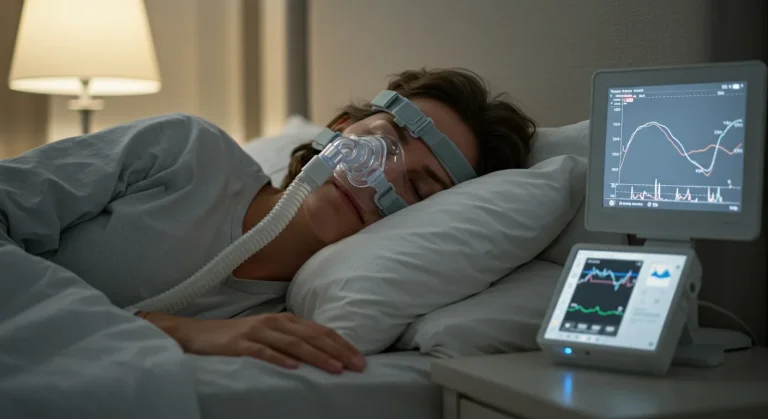
There is a lot of discussion in the sleep medicine world about home sleep tests versus in-lab polysomnography. Home testing has its place, but in-person testing performed in a dedicated sleep center captures a much fuller picture of what is happening while you sleep. Sensors record your airflow, blood oxygen levels, heart rate, leg movements, brain wave activity, and body position throughout the night. A sleep specialist then reads the full study rather than relying on a limited data set from a portable device.
At Vector Sleep Diagnostic Center, in-person studies are the standard. The clinic exists specifically for this kind of thorough evaluation. When your study is complete, the team reviews the results with you directly, so you understand what was found, what it means for your health, and what the next steps look like. You leave with actual answers, not just a number on a printout.
The American Academy of Sleep Medicine publishes clinical guidelines on when in-lab testing is appropriate and why it remains the gold standard for diagnosing complex or ambiguous cases. If your primary care doctor has been uncertain about your sleep issues, a proper in-lab study is often what finally produces a clear diagnosis.
For a full walkthrough of the diagnostic process, visit our page on how to get diagnosed with sleep apnea.
What to Expect at Vector Sleep Diagnostic Center
Coming to a sleep clinic for the first time can feel unfamiliar, and patients often have questions about what the evening actually looks like. Here is a straightforward picture of the process at Vector Sleep Diagnostic Center.
When you schedule an appointment, you are working directly with the clinic’s own team in Rego Park. There is no call center, no third-party scheduling platform, and no runaround. The staff will ask about your symptoms and medical history ahead of time so that your visit is as efficient as possible.
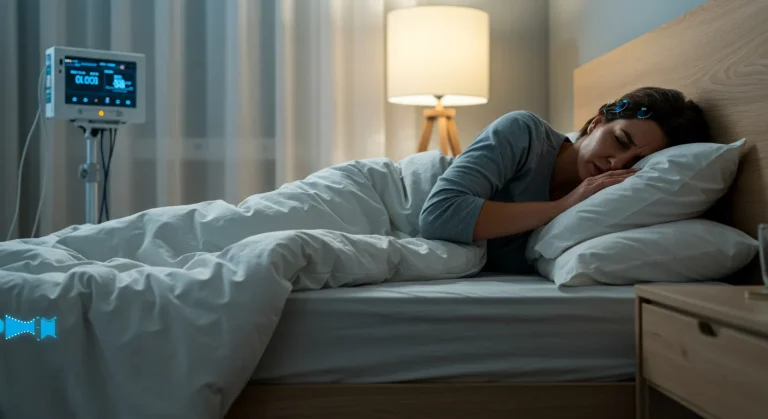
On the night of your study, you arrive at the clinic in the evening. A technician places the monitoring sensors and explains what each one does. The equipment is designed to be as comfortable as possible so that your sleep during the study resembles your sleep at home. You sleep through the night while the equipment records the data.
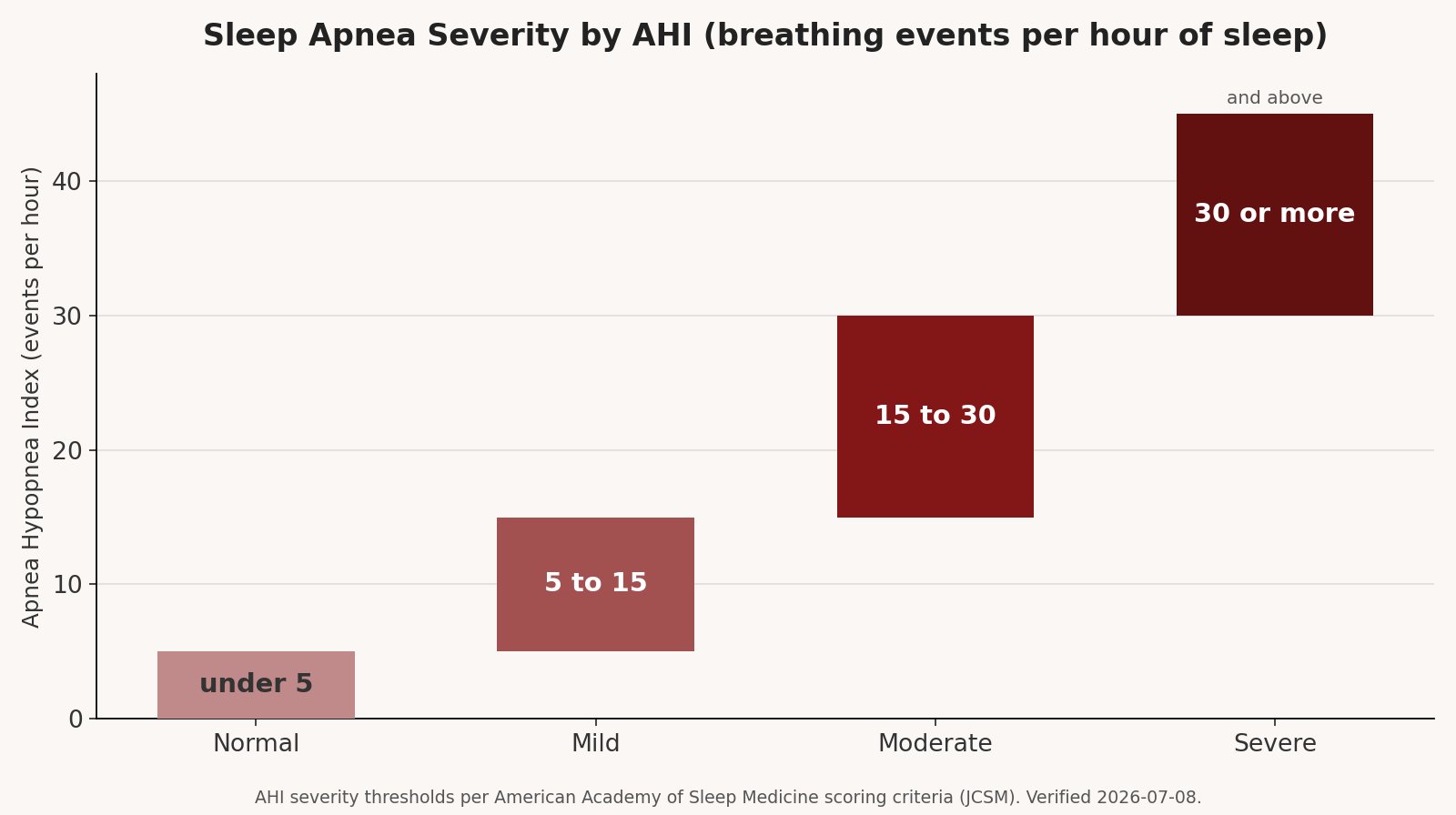
After the study, a sleep specialist reviews the full recording. You then come back, or connect with the team, to go over your results. If sleep apnea is confirmed, the team explains your severity level, what it means for your daily health, and what your treatment options are. If something other than apnea is identified, such as restless leg syndrome, periodic limb movement disorder, or another sleep condition, that is communicated clearly as well.
The clinic handles follow-up as part of ongoing care, which means you are not left figuring things out on your own after your diagnosis.
Treatment Options After Your Diagnosis
A diagnosis is only useful if it leads somewhere. At Vector Sleep Diagnostic Center, the path from diagnosis to treatment is direct because the clinic’s approach is built around keeping that continuity intact.
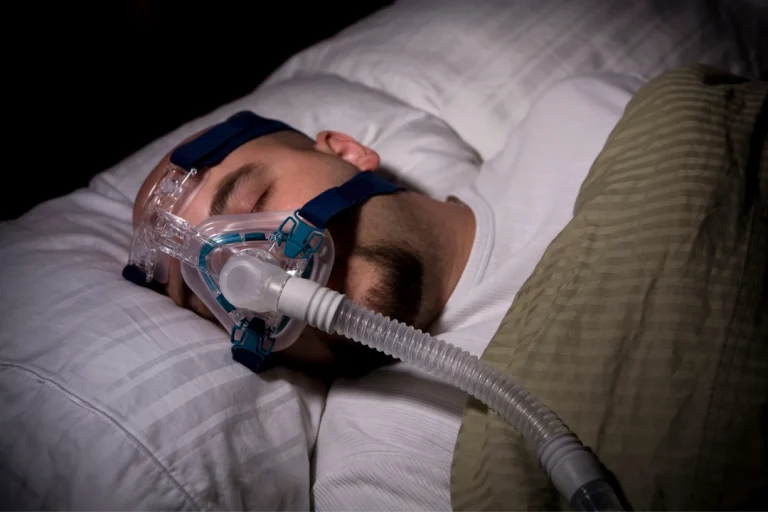
For most patients with obstructive sleep apnea, continuous positive airway pressure therapy, known as CPAP, is the first-line treatment. A CPAP machine delivers a gentle stream of air through a mask, keeping your airway open throughout the night. When properly fitted and calibrated, it can dramatically reduce or eliminate apnea episodes. Many patients report feeling genuinely rested for the first time in years after starting CPAP therapy.
That said, CPAP is not the only option, and it is not right for every patient. Depending on your anatomy, the severity of your apnea, and other health factors, the team may discuss oral appliances, positional therapy, surgical options (which would be coordinated with the appropriate specialist), or a combination approach. Lifestyle changes, including weight management, alcohol reduction, and sleep position adjustments, can also make a meaningful difference for some patients.
You can explore the full range of possibilities on our pages about sleep apnea treatment options, how sleep apnea treatment helps you breathe better, and lifestyle changes for sleep apnea.
For patients who are already on CPAP but struggling with comfort or compliance, there is help available too. Our tips on managing sleep apnea without compromising comfort address the most common practical challenges.
Why Manhattan Patients Choose Vector Sleep Diagnostic Center
Manhattan has large hospitals and many specialists, so why would someone come to Rego Park for sleep care? There are a few good reasons.
First, specialization matters. Vector Sleep Diagnostic Center focuses specifically on sleep disorders. It is not a general hospital department that also happens to have a sleep unit. Every patient who comes through the door is there because of a sleep issue, and the entire workflow is built around that purpose.
Second, continuity of care is built into the model. Many patients in larger hospital systems find that the person who orders their sleep study is not the same person who reads it, and neither of them is the person who manages treatment afterward. At Vector Sleep Diagnostic Center, the clinic team takes you from the initial evaluation through the sleep study, through results review, and into ongoing care. That kind of continuity makes a real difference when you have questions or need adjustments along the way.
Third, access is practical. Rego Park is well connected to Manhattan by subway, with multiple lines running directly between Midtown and the Queens Boulevard corridor. The commute that might seem like an obstacle is, for many patients, only about twenty to thirty minutes from central Manhattan neighborhoods.
Finally, appointments are handled locally. You are calling and coordinating with the clinic’s own staff, not navigating a hospital phone tree or waiting weeks for a referral to work its way through a system. That kind of direct access matters when you are dealing with something that affects your health and your daily life every single day.
You can learn more about the full scope of care offered at our sleep apnea care page.
Our Experience and Approach to Sleep Medicine
Vector Sleep Diagnostic Center has been serving patients across New York City from its Rego Park location for years. The clinic was built around a single clear purpose: give patients an accurate diagnosis and a clear path to treatment, all in one place, without making them piece together care from multiple disconnected providers.
The clinical team brings direct experience in sleep medicine and sleep diagnostic testing. Every study conducted at the center is reviewed by a specialist, not delegated to an automated algorithm. When results are complex or when a patient’s presentation does not fit a simple pattern, the team takes the time to work through it carefully rather than defaulting to a quick answer.
Patients come to Vector Sleep Diagnostic Center from Manhattan, Brooklyn, the Bronx, Staten Island, and throughout Queens because the combination of focused expertise, in-person testing, and coordinated follow-up is genuinely difficult to find in one place. The clinic’s approach reflects a belief that diagnosing sleep apnea is only meaningful if the patient walks away understanding their condition and feeling supported in managing it.
The Centers for Disease Control and Prevention identifies sleep disorders as a public health concern, and the clinical community increasingly recognizes that fragmented or incomplete care leads to poor outcomes. Vector Sleep Diagnostic Center was designed specifically to close those gaps.
Frequently Asked Questions
Do I need a referral from my primary care doctor to be seen at Vector Sleep Diagnostic Center?
You can contact Vector Sleep Diagnostic Center directly to schedule an evaluation. While some insurance plans may require a referral for coverage purposes, you do not need to wait for a referral to reach out to the clinic and ask about the process. The team can guide you on what your specific insurance may require when you call.
How long does it take to get results after an in-person sleep study?
After your overnight sleep study, the recording is reviewed by a sleep specialist. The clinic then connects with you to go over the findings. The exact timeline can vary depending on the complexity of your study and scheduling, but the team works to get your results to you promptly so you are not left waiting and wondering.
Is the sleep center in Rego Park easy to get to from Manhattan?
Yes. Rego Park is accessible from Manhattan via several subway lines that run along Queens Boulevard, including the E, F, M, and R trains. For most Manhattan neighborhoods, the trip takes roughly twenty to thirty minutes. The clinic’s team can provide specific directions when you schedule your appointment.
What if I already suspect I have sleep apnea but have never been tested?
Suspecting sleep apnea and actually having it confirmed are two different things, and the distinction matters for both your treatment and your health records. If you have symptoms like loud snoring, daytime fatigue, or waking up gasping, the right next step is an in-person evaluation with a qualified sleep specialist. Self-diagnosis or relying on a consumer wearable is not a substitute for a proper sleep study. Vector Sleep Diagnostic Center can walk you through the evaluation process from start to finish.
What happens if my sleep study finds something other than sleep apnea?
In-person polysomnography captures a wide range of data, so the study can identify other sleep disorders beyond apnea, including periodic limb movement disorder, restless leg syndrome, and certain parasomnias. If your study reveals a different or additional condition, the clinical team will explain what was found and discuss what that means for your care. You will not leave without understanding your results.
If you have been living with poor sleep, unexplained fatigue, or the suspicion that something is disrupting your rest, there is no good reason to keep waiting. Vector Sleep Diagnostic Center is ready to help you get real answers. Reach out to the clinic directly through vectorsleepclinic.com to schedule your evaluation and take the first step toward sleeping better.