Home Sleep Apnea Testing vs In-Lab Sleep Studies in Pomonok, NY: Key Differences
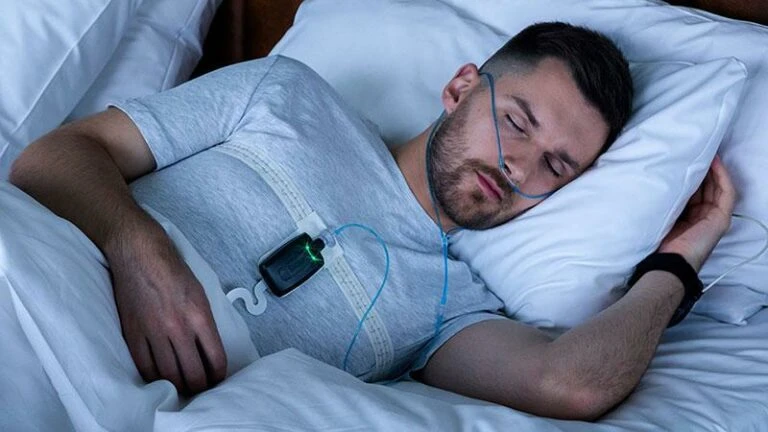
The main difference between home sleep apnea testing and in-lab sleep studies comes down to the amount of data each method collects and the type of patients each is suited for. Home sleep apnea testing uses a portable device that tracks breathing, oxygen levels, and heart rate while you sleep in your own bed. In-lab polysomnography, performed at an accredited sleep center, monitors brain waves, eye and leg movements, airflow, respiratory effort, oxygen saturation, body position, and heart activity, all under the direct supervision of a trained technician. For residents of Pomonok, NY, choosing the right test depends on your symptoms, medical history, and overall health, not just convenience.
We have guided thousands of patients through the diagnostic process, and we know firsthand that the decision between these two testing methods is not always straightforward. This article breaks down what each test involves, who it fits best, and how to weigh your options based on real clinical guidelines.
What Each Test Actually Measures
The most practical way to understand the difference is to look at what gets recorded during the night.
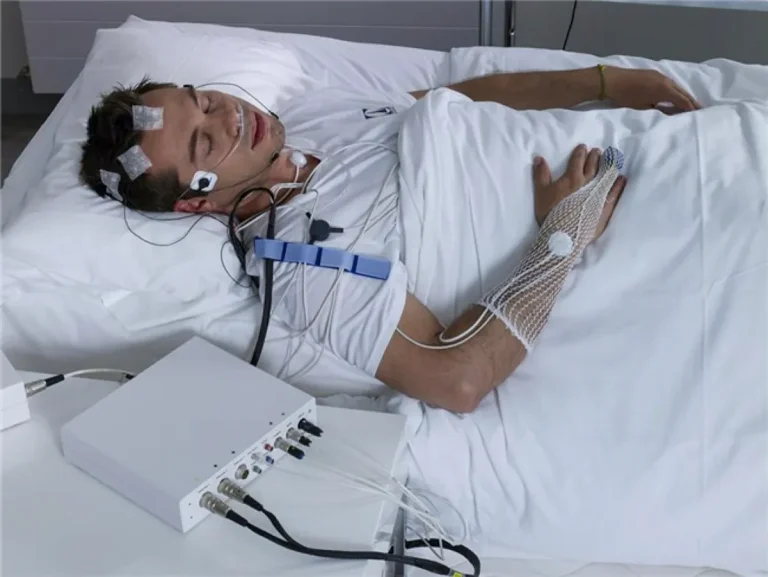
In-lab polysomnography (Type 1 study) captures a full picture of your sleep architecture. Sensors attached to your scalp, face, chest, and legs record brain wave activity, eye movements, chin muscle tone, leg twitching, airflow, breathing effort, blood oxygen, heart rhythm, and body position. A sleep technician stays in the room next door and can intervene if a sensor slips or if your breathing pattern calls for immediate attention. According to the American Academy of Sleep Medicine, polysomnography is the standard diagnostic test for adults suspected of having obstructive sleep apnea.
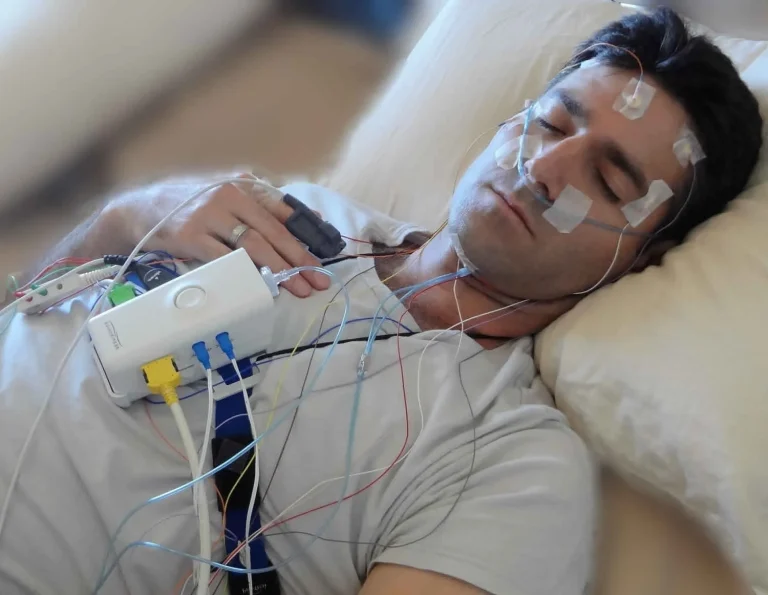
Home sleep apnea testing (Type 3 or 4) uses a smaller, portable device that typically records airflow through a nasal cannula, respiratory effort through a chest belt, and blood oxygen through a fingertip pulse oximeter. Some devices also capture snoring volume and heart rate. As noted by the National Heart, Lung, and Blood Institute, a sleep study is the primary tool doctors use to confirm which type of sleep apnea you have and how severe it is, whether done at home or in a lab.
Side-by-side comparison
| Feature | Home Sleep Apnea Test | In-Lab Polysomnography |
|---|---|---|
| Testing location | Your own bedroom | Accredited sleep center |
| Sensors used | 3 to 4 (airflow, effort, oximetry, heart rate) | 12 or more (brain waves, eye movements, leg EMG, airflow, effort, oximetry, ECG, body position) |
| Sleep stages recorded | No | Yes |
| Monitors non-apnea sleep disorders | No | Yes (narcolepsy, periodic limb movement, parasomnias) |
| Technician present | No | Yes, all night |
| Detects central sleep apnea | Limited | Yes |
| Comfort level | Sleep in your own bed | Unfamiliar environment, wired to machines |
| Typical wait time | Shorter | Can be longer due to scheduling |
| Best for | Uncomplicated moderate to severe OSA | Complex cases, multiple possible disorders |
Who Should Get Which Test
Clinical guidelines make this decision clearer than most people expect. The American Academy of Sleep Medicine recommends both polysomnography and home sleep apnea testing as valid options for adults who have an increased risk of moderate to severe obstructive sleep apnea in Pomonok, NY, specifically those with excessive daytime sleepiness plus at least two of these three signs: habitual loud snoring, witnessed apnea or gasping, or diagnosed hypertension.
However, the guidelines are explicit that in-lab polysomnography, rather than home testing, should be used for patients with:
- Significant cardiorespiratory disease
- Potential respiratory muscle weakness from a neuromuscular condition
- Awake hypoventilation or suspected sleep-related hypoventilation
- Chronic opioid medication use
- A history of stroke or severe insomnia
In our experience working with patients across Queens, we often see people who initially request a home test because it sounds easier, only to learn that their medical profile points toward an in-lab study. A heart condition, a history of stroke, or chronic lung disease changes the calculus entirely. The home test simply cannot gather enough information to make a safe diagnosis in those cases.
Bonus tip from our clinical team
If you have ever been told you stop breathing during sleep but you also experience leg twitching at night or episodes of falling asleep suddenly during the day, ask your provider about in-lab testing. Those symptoms could point to more than one sleep disorder, and a home test will not catch them.
Accuracy and Limitations
This is where the conversation gets serious. A systematic review published in the Journal of Clinical Sleep Medicine found that the weighted average diagnostic accuracy of home sleep apnea tests across 20 validation studies was only 61%, compared to polysomnography. The study highlighted a misdiagnosis rate of roughly 39%, which means nearly 4 out of 10 patients could receive an incorrect severity classification from a home test alone.
There are practical reasons for this gap. Home tests divide breathing events by total time in bed, not actual sleep time, which tends to underestimate severity. Sensors can fall off during the night without anyone there to fix them. And because home devices do not track brain activity, they cannot confirm whether you were actually asleep when a breathing event occurred.
In-lab studies are not perfect either. Some patients sleep poorly in a lab setting, which can affect results. But the presence of a technician who can recalibrate equipment and the ability to score actual sleep time make in-lab polysomnography the most comprehensive option available.
Bonus tip
If your home test comes back negative but you still feel exhausted every day, do not assume you are fine. Negative or inconclusive home test results should be followed up with an in-lab study, as the Sleep Foundation recommends discussing next steps with your provider.
What to Expect During Each Test
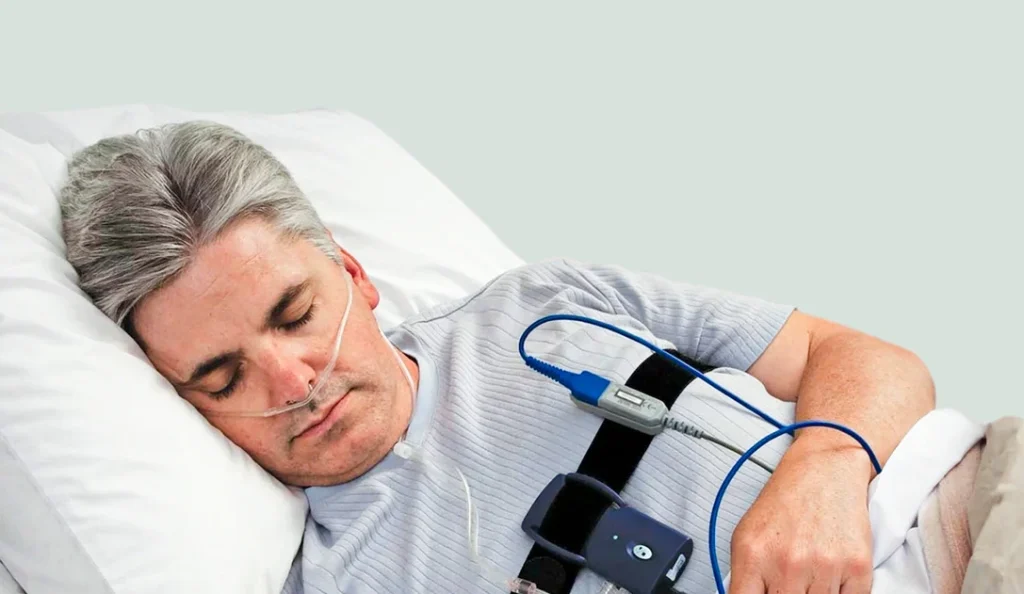
Home sleep apnea testing starts with a visit to your provider, who writes a prescription for the test. You pick up the device, usually a small unit with a nasal sensor, chest belt, and finger clip. That evening, you attach the sensors yourself following written or video instructions, press start, and sleep normally. The next morning you return the device, and a sleep specialist scores the data. The whole process, from pickup to results, typically takes a few days to a week.
In-lab polysomnography requires an overnight stay. You arrive at the sleep center in the early evening. A technician applies sensors to your scalp, face, chest, and legs using a mild adhesive. Once the sensors are in place, you sleep in a private room that resembles a hotel bedroom. The technician monitors your data from an adjacent room throughout the night. In some cases, a split-night protocol is used, where the first half of the night is diagnostic and the second half tests a CPAP machine at different pressures.
Things to Consider Before Making a Decision
Before you choose between a home sleep apnea test and an in-lab study, keep these factors in mind:
- Your full medical history. Heart disease, lung disease, neuromuscular conditions, and chronic opioid use rule out home testing per clinical guidelines. If any of these apply to you, an in-lab study is the safe choice.
- The complexity of your symptoms. If you snore but also have daytime sleep attacks, leg movements, or suspected narcolepsy, the in-lab study captures data that a home device simply cannot.
- Your comfort with self-application. Home testing requires you to put the sensors on yourself. If you have limited dexterity or feel uneasy about handling the equipment, the lab environment removes that variable.
- Insurance coverage. Both types of tests are generally covered when prescribed, but coverage details vary by plan. Confirm with your provider and insurer before scheduling.
- Follow-up needs. If your home test result is negative or inconclusive, you may end up needing an in-lab study anyway. For some patients, going straight to the more thorough test saves time.
Bonus tip
Living in a densely populated area like Pomonok means you have access to accredited sleep centers without traveling far. If there is any doubt about which test is appropriate, starting with a comprehensive sleep evaluation rather than jumping straight to a home test can prevent delays and misdiagnosis.
Why an Accurate Diagnosis Matters
Sleep apnea affects an estimated 30 million adults in the United States, and a large portion remain undiagnosed. Left untreated, obstructive sleep apnea increases the risk of high blood pressure, heart attack, stroke, type 2 diabetes, and daytime accidents caused by excessive sleepiness. The test you choose directly affects how quickly and accurately you get answers. A home test that misses a mild case delays treatment. An in-lab study that catches a second sleep disorder, like periodic limb movement disorder, changes your treatment plan entirely.
Our recommendation is straightforward: start with a comprehensive sleep evaluation. Let a qualified sleep medicine provider review your symptoms, medical history, and risk factors before deciding which test is right for you. For residents of Pomonok and the surrounding Queens area, both options are accessible, and the right choice depends on your individual health profile.
Reach Out to Vector Sleep Diagnostic Center
If you are deciding between a home sleep apnea test and an in-lab sleep study, we are here to help you figure out the best path forward. Our team at Vector Sleep Diagnostic Center reviews each patient’s medical history and symptoms before recommending a specific testing approach. You can reach us at vectorsleep@gmail.com or call us directly at +1 718-830-2800 to schedule a consultation. We serve patients throughout Pomonok, NY and the greater Queens area.
Answers to Frequently Asked Questions
How accurate is a home sleep apnea test compared to an in-lab study?
Home sleep apnea tests are highly accurate for detecting moderate to severe obstructive sleep apnea in patients with no complicating conditions. For mild cases or complex medical histories, they are less reliable and may underestimate severity.
Can I drive myself home after an in-lab sleep study?
Yes, the study is non-invasive and does not involve sedation. You can drive yourself home the following morning once the technician removes your sensors and you are discharged.
Do home sleep tests measure how long I actually sleep?
No. Home devices record total time in bed but cannot determine when you are asleep versus awake. This is one reason in-lab studies provide a more precise severity score.
Is a home test the same as a smartwatch or fitness tracker?
Not at all. Consumer wearables are not FDA-cleared diagnostic devices. A home sleep apnea test is a prescribed medical device that records clinical-grade data and must be interpreted by a board-certified sleep medicine physician.
What if I have both snoring and severe insomnia?
The American Academy of Sleep Medicine recommends in-lab polysomnography for patients with severe insomnia. Home testing has not been validated for this population, so an in-lab study is the appropriate choice.
Sources
- American Academy of Sleep Medicine (AASM) – Clinical practice guideline for diagnostic testing for adult obstructive sleep apnea, covering when to use polysomnography vs. home sleep apnea testing
- Journal of Clinical Sleep Medicine – Peer-reviewed study on diagnostic accuracy discrepancies between home sleep apnea tests and polysomnography
- Sleep Foundation – Comprehensive overview of home sleep apnea testing, including benefits, limitations, and equipment descriptions
- National Heart, Lung, and Blood Institute (NHLBI) – Federal health resource explaining sleep apnea diagnosis methods and the role of sleep studies
- National Heart, Lung, and Blood Institute (NHLBI) – Sleep Apnea Overview – Overview of obstructive and central sleep apnea, including prevalence and health risks