Sleep Specialist vs General Doctor: What’s the Difference?

The short answer is this: a general doctor (often called a primary care physician or PCP) handles a wide range of everyday health concerns and may offer basic sleep advice or prescribe sleep aids, while a sleep specialist is a physician with years of additional training focused entirely on diagnosing and treating sleep disorders. If your sleep problems are persistent, interfere with daily life, or involve symptoms like loud snoring, gasping during sleep, or excessive daytime tiredness, a sleep specialist is the better fit. A general doctor is the right starting point for occasional sleeplessness, but for anything that lingers beyond a few weeks or points to a specific disorder, specialized care makes a real difference.
We work with patients every day who have spent months or even years trying to solve their sleep issues through general practice visits alone. In many cases, the underlying condition was treatable all along, it just needed the right diagnostic tools and expertise. This article walks you through the real differences between these two types of providers, when to choose each, and what to expect from the process.
How General Doctors Approach Sleep Problems
Your primary care doctor is usually the first person you turn to when something feels off, and that includes sleep. Most general doctors are comfortable handling short-term insomnia brought on by stress, travel, or temporary life changes. They might ask about your sleep habits, recommend lifestyle adjustments like limiting caffeine or screen time before bed, or prescribe a short course of sleep medication.
General doctors also serve as gatekeepers. They can recognize when a sleep problem might be something more serious and issue a referral to a specialist. According to Cleveland Clinic, a physician may refer you to a sleep specialist when your symptoms affect the quality and quantity of your sleep in ways that basic interventions cannot resolve.
The limitation is scope. There are over 80 recognized sleep disorders, and many of them share overlapping symptoms. A doctor without dedicated sleep training may struggle to tell the difference between, say, insomnia caused by anxiety and insomnia caused by undiagnosed sleep apnea. That distinction matters a lot because the treatments are completely different.
Bonus tip: Before your appointment with a general doctor about sleep, keep a simple sleep log for one to two weeks. Note what time you go to bed, how long it takes to fall asleep, how many times you wake up, and how you feel the next morning. This record gives your doctor real data to work with instead of vague descriptions like “I sleep badly.”
What a Sleep Specialist Actually Does
A sleep specialist is a physician who has completed medical school, a residency in a related field (such as neurology, pulmonology, psychiatry, or internal medicine), and then an additional one-year fellowship in sleep medicine. Cleveland Clinic notes that it takes at least 12 years of education and training before a doctor can practice sleep medicine independently.
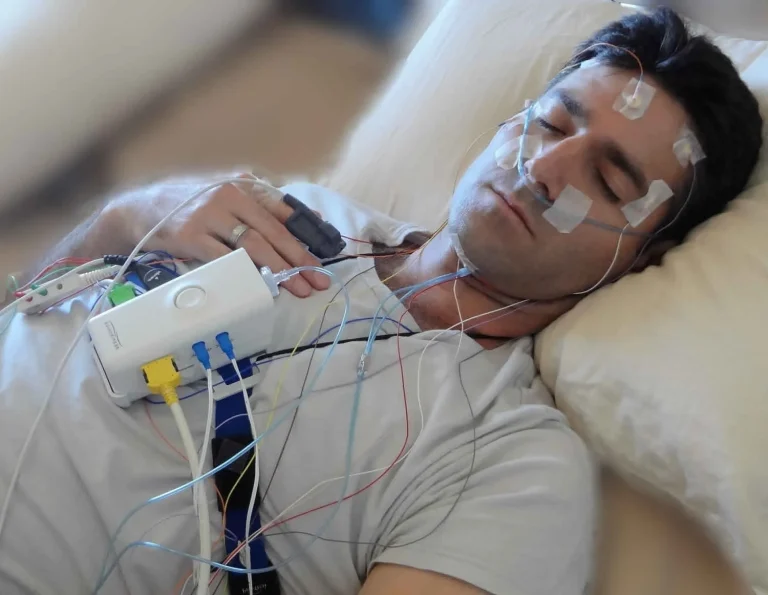
During a visit, a sleep specialist conducts a detailed sleep history, performs a physical exam focused on airway anatomy and neurological function, and orders diagnostic tests when needed. These tests can include overnight polysomnography (a sleep study that monitors brain activity, breathing, heart rate, and muscle movements) or a home sleep apnea test. The specialist interprets the results personally and builds a treatment plan tailored to your specific diagnosis.
Sleep specialists treat conditions that general doctors often cannot manage on their own:
- Obstructive sleep apnea (OSA): Pauses in breathing during sleep that can occur dozens of times per hour
- Narcolepsy: A neurological disorder causing overwhelming daytime sleepiness and sudden sleep attacks
- Restless legs syndrome (RLS): Uncomfortable sensations in the legs that disrupt sleep
- Chronic insomnia: Difficulty falling or staying asleep that persists for three months or longer
- Circadian rhythm disorders: Misalignment between your internal clock and your daily schedule
Training and Qualifications at a Glance
The table below breaks down the key differences in background and capability between these two types of providers.
| Factor | General Doctor (PCP) | Sleep Specialist |
|---|---|---|
| Medical school | Yes (4 years) | Yes (4 years) |
| Residency | 3 years in family medicine, internal medicine, or similar | 3 years in neurology, pulmonology, psychiatry, or similar |
| Sleep-specific fellowship | No | Yes (1 additional year) |
| Board certification in sleep medicine | No | Yes (through American Board of Sleep Medicine or ABMS member boards) |
| Can order sleep studies | Sometimes (referral-based) | Yes, directly |
| Can interpret sleep study data | Limited | Yes, personally |
| Number of sleep disorders recognized | Limited familiarity | 80+ recognized disorders |
| Treats conditions like narcolepsy, parasomnias | No (refers out) | Yes |
| Best for | Occasional sleep trouble, general health management | Persistent, complex, or unexplained sleep issues |

When Should You See Each Provider
Starting with your general doctor makes sense for new or mild sleep complaints. If you have had a few bad weeks of sleep due to a stressful project at work or a recent move, your PCP can help you figure out whether basic changes might fix the problem. They can also check whether any medications you take might be interfering with sleep.
You should consider seeing a sleep specialist if:
- Your sleep problems have lasted more than three months
- You snore loudly or a partner has noticed you stop breathing during sleep
- You feel exhausted during the day even after what should be a full night’s rest
- You have sudden episodes of falling asleep during the day
- You experience unusual behaviors during sleep, like walking, thrashing, or acting out dreams
- A general doctor’s treatment plan has not improved your symptoms
According to Duke Health, sleep specialists typically recommend seeking care when sleep problems persist for about three months and are affecting your daily life. Poor sleep has been linked to changes in mood, energy, hormones, weight, and even cardiovascular health.
Bonus tip: If you decide to see a sleep specialist, bring your bed partner to the appointment if possible. They can describe things you do in your sleep that you are completely unaware of, like snoring patterns, limb movements, or breathing pauses. This information is often more useful than anything the patient can report.
How Common Are Sleep Disorders
Sleep problems are far more widespread than most people realize. The National Heart, Lung, and Blood Institute (NHLBI) reports that about 50 to 70 million Americans have sleep disorders, and roughly 1 in 3 adults do not regularly get the recommended amount of uninterrupted sleep needed to protect their health.
Data from the CDC’s National Center for Health Statistics adds more detail. In 2020, 14.5% of adults had trouble falling asleep most days or every day, and 17.8% had trouble staying asleep most days or every day. Women were more likely than men to report both types of difficulty.
These numbers suggest that millions of people are living with sleep problems that could be diagnosed and treated. Many never seek help, and those who do often start with a general doctor who may not have the tools to identify the specific disorder involved.
Bonus tip: If you live in an urban area like New York City, environmental factors like street noise, shift work, and long commutes can worsen sleep disorders or mask their symptoms. A sleep specialist familiar with these regional pressures can factor them into your diagnosis and treatment plan.
Things to Consider Before Making a Decision
Before you decide which type of provider to visit, run through these practical considerations:
- Duration of the problem: A few nights or weeks of poor sleep often resolves on its own or with your PCP’s guidance. Three months or more points toward specialist care.
- Impact on daily life: If sleepiness is affecting your work performance, your driving safety, or your relationships, do not wait. A specialist can diagnose the cause quickly.
- Insurance requirements: Some insurance plans, including Medicare, require a referral from a primary care doctor before covering a visit to a sleep specialist. Check your plan first.
- Type of symptoms: Snoring, observed breathing pauses, and daytime sleepiness suggest a physical sleep disorder like apnea. Trouble quieting your mind at bedtime might be addressed by your PCP or a sleep psychologist.
- Previous treatment attempts: If you have already tried your doctor’s recommendations and nothing has changed, it is time for a specialist.
- Availability and access: Sleep specialists are less common than general doctors. You may need to travel farther or wait longer for an appointment, so plan accordingly.
Making the Right Choice for Your Sleep Health
The difference between a general doctor and a sleep specialist comes down to depth of training and focus. Your PCP is a strong first step for mild or short-term sleep problems. When sleep issues persist, involve unusual symptoms, or resist standard treatments, a sleep specialist offers the diagnostic precision and targeted treatment that general practice cannot match. Sleep affects every part of your health, from your heart to your mood to your ability to think clearly. If you have been struggling, the next step is to take your sleep concerns seriously and seek the level of care that matches the problem.
Ready to Get Better Sleep
If you have been living with poor sleep and are ready to find out what is really going on, our team at Vector Sleep Diagnostic Center can help. We offer comprehensive sleep evaluations and testing to identify the root cause of your sleep issues. Reach out to us at vectorsleep@gmail.com or call +1 718-830-2800 to schedule a consultation. Taking that first step toward better sleep can change how you feel every single day.
Faqs
Can my general doctor diagnose sleep apnea?
Some general doctors can recognize the signs of sleep apnea and may order a home sleep test. However, interpreting the results and building a long-term treatment plan usually requires a sleep specialist. Sleep apnea severity varies widely, and the right treatment, whether it involves a CPAP machine, an oral appliance, or surgery, depends on a detailed analysis that specialists are trained to perform.
Do I need a referral to see a sleep specialist?
It depends on your insurance plan. Many plans require a referral from your primary care doctor. Some allow you to book directly. Call your insurance provider before scheduling to avoid surprise bills.
What happens during a sleep study?
An overnight sleep study, called polysomnography, involves spending a night at a sleep center while sensors monitor your brain waves, eye movements, heart rate, breathing, oxygen levels, and muscle activity. The data is reviewed by a sleep specialist who uses it to identify any abnormalities. Home sleep tests are also available for some conditions and measure fewer variables but can be done in your own bed.
How long does it take to get a diagnosis?
The timeline varies, but most patients complete an initial consultation, a sleep study (either at home or in a lab), and a follow-up appointment within two to four weeks. Complex cases involving rare disorders may take longer.
Will my sleep specialist work with my regular doctor?
Yes. According to Healthline, sleep specialists routinely collaborate with primary care doctors to coordinate your overall care. Your PCP manages your general health while the specialist focuses on your sleep disorder, and they share information to make sure treatments do not conflict.
Sources
- Cleveland Clinic – Sleep Specialist (Somnologist) – Comprehensive overview of what sleep specialists do, their training requirements, and the conditions they treat
- National Heart, Lung, and Blood Institute – Sleep Health – Government data on the prevalence of sleep disorders in the U.S. population
- CDC – Sleep Difficulties in Adults: United States, 2020 – Detailed statistics on trouble falling and staying asleep among U.S. adults by demographics
- Healthline – Sleep Specialists: When to See One and Where to Find Them – Practical guidance on choosing a sleep specialist and what to expect
- Duke Health – Do I Need a Sleep Specialist? – Expert clinical perspective on when to seek specialized sleep care and what happens during a visit