Signs Your Sleep Issues Need Medical Attention, Not Home Remedies

You need medical attention for sleep issues when you experience consistent difficulty breathing during sleep, frequent morning headaches despite adequate rest, or when daytime sleepiness interferes with daily functioning. These symptoms often indicate underlying conditions like sleep apnea or chronic insomnia that require professional diagnosis and treatment beyond what home remedies can address.
Sleep problems are common, but distinguishing between temporary disturbances and serious medical conditions matters for your long-term health. Vector Sleep Diagnostic Center provides this comprehensive guide to help you recognize when it’s time to seek professional medical evaluation for your sleep concerns. The information below comes from years of clinical experience treating various sleep disorders.
Critical Warning Signs That Require Medical Evaluation
Certain sleep symptoms should never be ignored or treated solely with home remedies. Gasping or choking sounds during sleep, witnessed by a partner or family member, signal a potential breathing obstruction that needs immediate medical assessment. According to the American Academy of Sleep Medicine, an estimated million American adults suffer from obstructive sleep apnea, with many cases remaining undiagnosed.
Other serious indicators include:
- Consistent snoring loud enough to disrupt others’ sleep
- Abrupt awakenings with shortness of breath
- Morning headaches that persist despite adequate sleep duration
- Extreme daytime sleepiness that affects work performance
- Falling asleep during conversations or while watching television
These symptoms often indicate sleep apnea or other serious sleep disorders that can increase your risk of hypertension, heart disease, stroke, and diabetes. The National Sleep Foundation reports that untreated sleep apnea increases cardiovascular mortality risk by up to three times compared to the general population.

When Home Remedies Fall Short
While lifestyle adjustments can improve mild sleep issues, they’re inadequate for treating underlying medical conditions. The following table helps distinguish between situations where home remedies might help versus those requiring medical intervention:
| Sleep Issue | Home Remedy May Help | Medical Attention Required |
|---|---|---|
| Occasional difficulty falling asleep | Yes | No |
| Consistent difficulty falling asleep for >3 months | Maybe | Yes |
| Mild snoring | Maybe | No |
| Loud snoring with breathing pauses | No | Yes |
| Sleep difficulty due to stress | Yes | No |
| Sleep difficulty with no apparent cause | No | Yes |
| Daytime fatigue after a poor night’s sleep | Yes | No |
| Unexplained daytime fatigue despite adequate sleep | No | Yes |
Bonus Tip: If you’ve tried sleep hygiene improvements (consistent schedule, dark room, no screens before bed) for more than 2-3 weeks without improvement, it’s time to consult a medical professional. Your body is signaling that something more than bad habits is affecting your sleep.
Market Data and Sleep Disorder Statistics
The sleep health industry continues to grow as awareness increases about the importance of quality sleep. Research from Grand View Research shows the global sleep apnea devices market size was valued at USD billions in 2021 and is expected to grow at a compound annual growth rate of 6.5% from 2022 to 2030. This growth reflects increasing diagnosis rates and treatment acceptance.
Interestingly, according to data from the Centers for Disease Control and Prevention, more than 35% of adults report getting less than the recommended 7 hours of sleep per night. However, the CDC notes that while many attribute this to lifestyle choices, a significant portion may have undiagnosed sleep disorders, preventing them from achieving restorative sleep regardless of their bedtime habits.
Things to Consider Before Making a Decision
Before dismissing sleep issues as minor or deciding to self-treat indefinitely, consider these factors:
- Duration and Frequency: Occasional bad nights are normal, but consistent problems for over a month warrant evaluation.
- Daytime Impact: If sleepiness affects your job performance, relationships, or safety (especially while driving), a medical assessment is crucial.
- Health Comorbidities: If you have high blood pressure, heart disease, diabetes, or mood disorders, untreated sleep problems can worsen these conditions.
- Age-Related Changes: While sleep patterns change with age, significant deterioration in sleep quality isn’t normal at any age and should be evaluated.
Regional Consideration: In regions with seasonal light variations (like northern latitudes), some sleep disruption may occur seasonally. However, if sleep problems persist beyond typical seasonal adjustment periods or worsen over time, medical evaluation remains appropriate.
Bonus Tip: Document your sleep patterns for at least two weeks before any medical consultation. Note bedtime, wake time, number of awakenings, daytime energy levels, and any factors that might affect sleep (caffeine, exercise, stress). This information provides valuable diagnostic context.
Key Takeaways
Recognizing when sleep issues need medical attention requires looking beyond surface symptoms to understand underlying causes. While home remedies help with occasional sleep problems, persistent issues, breathing disturbances during sleep, and daytime impairment warrant professional evaluation. The financial and health costs of untreated sleep disorders far exceed the investment in proper diagnosis and treatment.
Consider your specific situation objectively. Have your sleep problems persisted despite your best efforts? Are they affecting your quality of life or relationships? Are you experiencing any of the serious warning signs mentioned? If you answered yes to these questions, a professional medical evaluation represents your best path toward restorative sleep and better overall health.
Schedule Your Sleep Evaluation
Taking the first step toward better sleep starts with a comprehensive evaluation. Vector Sleep Diagnostic Center offers state-of-the-art diagnostic services to identify and treat your specific sleep issues. For consultations or to schedule an appointment, contact us at vectorsleep@gmail.com or call +1 718-830-2800. Board-certified sleep specialists provide personalized treatment plans designed to restore healthy sleep patterns and improve your quality of life. Don’t let another sleepless night pass when effective solutions are available.
Frequently Asked Questions
How long should I try home remedies before seeking medical help?
If consistent sleep problems persist beyond 4 weeks despite implementing good sleep hygiene practices, schedule a medical consultation. Earlier consultation is warranted if you experience breathing issues during sleep or if daytime function is significantly impaired.
What if I can’t afford a sleep study?
Many insurance plans cover sleep studies when medically necessary. Additionally, home sleep apnea tests provide a less expensive alternative for many patients. Discuss financial concerns with the sleep center – they often offer payment plans or can help identify covered services.
Can medications for sleep problems be dangerous?
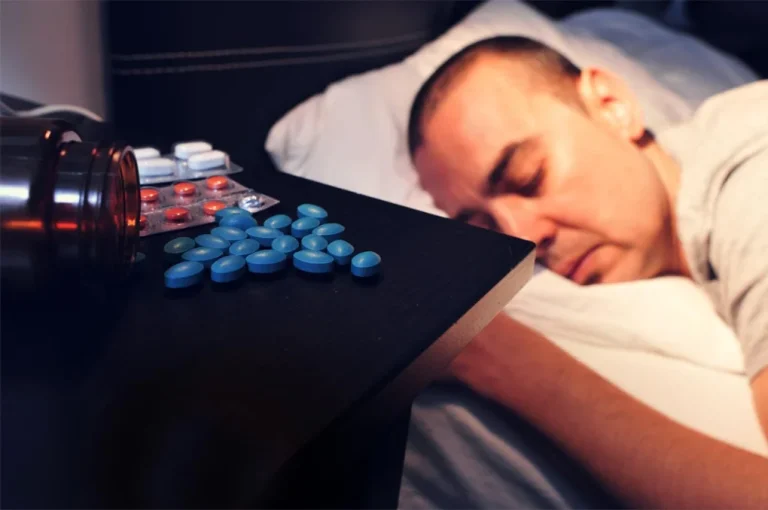
Over-the-counter sleep aids may mask underlying problems and create dependency. Prescription sleep medications require medical supervision due to potential side effects and interactions. Both approaches address symptoms rather than root causes, which is why medical evaluation remains important.
Will a sleep doctor just tell me to lose weight?
While weight management can improve certain sleep conditions, qualified sleep specialists recognize that sleep disorders affect people of all body types. They conduct comprehensive evaluations to identify specific causes and develop targeted treatment plans beyond simple lifestyle advice.
What if I’ve already seen my regular doctor about sleep issues?
Primary care physicians provide initial evaluation, but sleep medicine specialists offer specialized diagnostic tools and treatment options. If your regular doctor’s recommendations haven’t resolved your sleep problems after a reasonable trial period, requesting a sleep specialist referral is appropriate.
Sources
- American Academy of Sleep Medicine – Professional organization providing clinical practice guidelines for sleep medicine
- Centers for Disease Control and Prevention – U.S. government agency providing comprehensive data on sleep patterns and public health implications