How Technology Is Improving Sleep Studies in Hempstead, NY
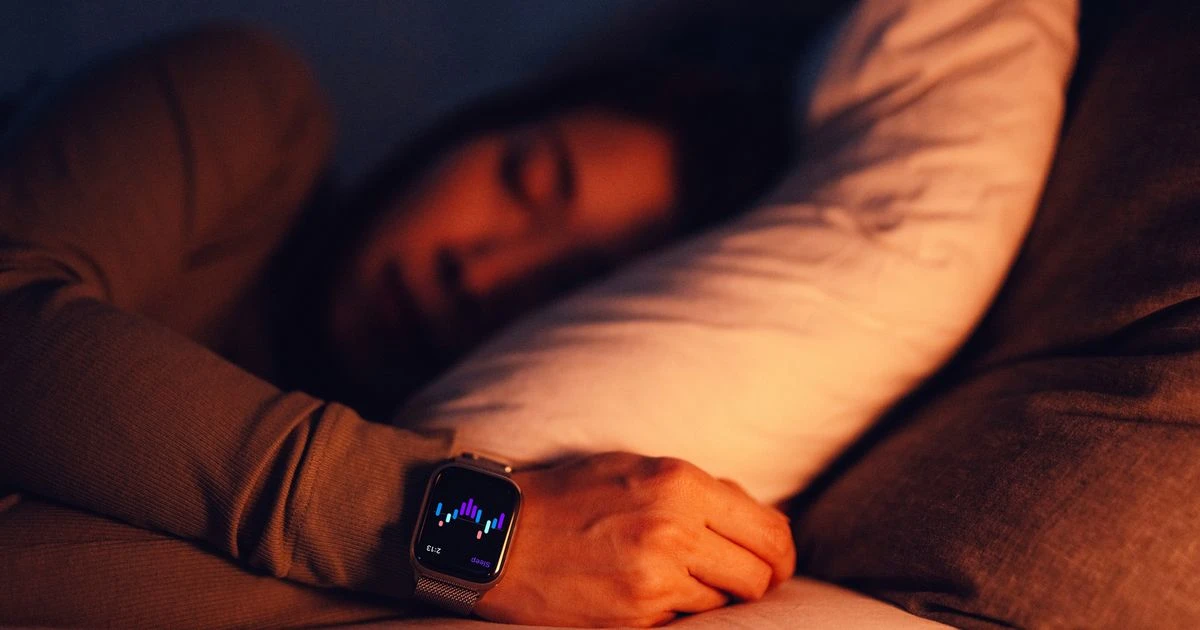
Technology is fundamentally changing sleep studies in Hempstead, NY, through advanced monitoring systems, artificial intelligence analysis, and more accessible home-based testing options. These innovations provide more accurate diagnoses, greater patient comfort, and faster results than traditional methods. The following details explain how modern technology addresses common sleep disorder challenges while making diagnostic services more available to local residents.
Sleep medicine has evolved from basic observation to sophisticated data-driven approaches. The integration of wearable technology, machine learning algorithms, and telemedicine platforms means patients no longer need to spend uncomfortable nights in unfamiliar sleep labs for an accurate diagnosis. This technological advancement particularly benefits Hempstead’s diverse population by offering culturally sensitive and convenient diagnostic options.
Advanced Monitoring Technologies
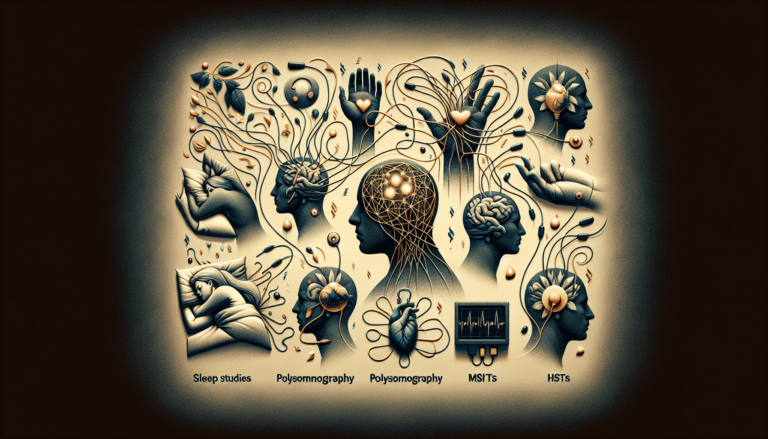
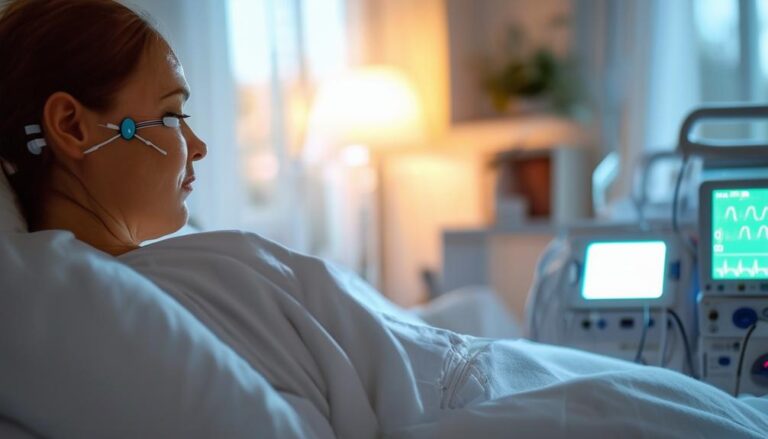
Modern sleep monitoring equipment now uses wireless sensors and non-invasive tracking methods that collect comprehensive data without disrupting natural sleep patterns. These devices monitor brain waves, breathing patterns, heart rate variability, oxygen saturation, and body movements simultaneously. The data collection happens through comfortable patches and bands rather than bulky wires and equipment.
The technology has become so precise that it can detect subtle variations in sleep stages, respiratory events, and physiological responses that older systems might miss. According to research published by the National Sleep Foundation, modern polysomnography equipment can now capture over 40 different physiological parameters during a single sleep session, compared to fewer than 15 parameters a decade ago.
Local sleep centers in Hempstead have adopted these technologies to address the specific needs of the community, including considerations for varying home environments and family situations common in the area.
AI and Data Analysis in Sleep Medicine
Artificial intelligence has revolutionized how sleep study data is interpreted. Machine learning algorithms can analyze thousands of data points from a single night’s sleep and identify patterns that human analysts might overlook. These systems recognize correlations between different physiological markers and sleep disorders with increasing accuracy.
The AI technology reduces diagnosis time from weeks to hours in many cases. A study from the American Academy of Sleep Medicine found that AI-assisted sleep scoring achieved 95% accuracy compared to manual scoring by trained technicians, while reducing analysis time by approximately 60%.
This technological improvement means patients in Hempstead can receive faster diagnosis and treatment plans, reducing the health impacts of untreated sleep disorders. The algorithms also continue learning from each study, making future analyses even more precise.
Home-Based Sleep Testing Options
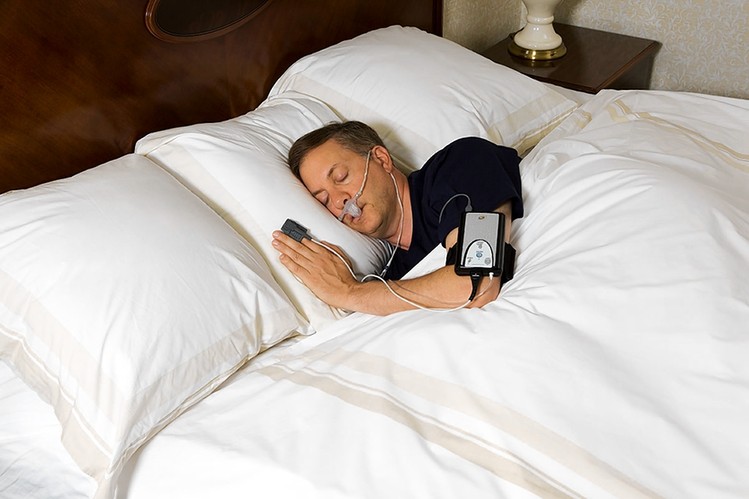
Home sleep testing has become increasingly viable thanks to technological advances. Portable monitoring devices now provide clinical-grade data collection in the comfort of a patient’s own bed. These devices are particularly beneficial for Hempstead residents who may have transportation challenges or work schedules that make lab visits difficult.
The home testing technology includes simplified setup processes, automatic data transmission to healthcare providers, and real-time monitoring for quality assurance. Patients receive clear instructions and remote support when needed, making the testing process accessible even for those who are not technically comfortable.
Market data shows that home-based sleep testing has grown by 23% annually over the past five years, with particularly strong adoption in suburban areas like Hempstead where convenience and comfort are prioritized by patients.
Technology Comparison Table
| Feature | Traditional Sleep Studies | Modern Technology Approach |
|---|---|---|
| Setting | Hospital or sleep lab | Lab or home options available |
| Equipment | Wired sensors, bulky machines | Wireless, portable devices |
| Data Parameters | 10-15 measurements | 40+ measurements |
| Analysis Time | 1-2 weeks | 24-48 hours |
| Patient Comfort | Low (unfamiliar environment) | High (home option available) |
| Accuracy | Good | Excellent with AI assistance |
Vector Sleep Diagnostic Center has implemented these technological advancements to provide both in-lab and home-based testing options for Hempstead residents, ensuring accessibility without compromising diagnostic quality.
Regional Considerations for Hempstead Residents
Hempstead’s unique characteristics influence how sleep study technology is implemented in the area. The diverse population means technology must accommodate different languages, cultural approaches to healthcare, and varying living situations. Many homes in the area are multi-generational, making private, quiet sleep environments challenging to achieve.
Technology solutions address these challenges through noise-canceling features in monitoring devices, multilingual interfaces, and equipment that works effectively in shared sleeping spaces. The portability of modern testing equipment also allows patients to choose the most comfortable location within their homes for accurate monitoring.
Things to Consider Before Making a Decision
Insurance Coverage Differences
Insurance policies often have different coverage rates for in-lab versus home-based sleep studies. Patients should verify their specific benefits before choosing a testing method. Home testing is typically less expensive but may not be covered for certain complex sleep disorders.
Home Environment Suitability
Not all homes provide optimal conditions for accurate sleep testing. Factors like excessive noise, inconsistent temperatures, or frequent interruptions can affect data quality. Patients should assess their sleeping environment honestly when considering home-based options.
Technology Comfort Level
While modern sleep testing equipment is more user-friendly than ever, patients should consider their comfort with technology and their ability to follow setup instructions properly. Some people prefer the reassurance of having technicians present during the study.
Follow-up Care Requirements
Different testing methods may lead to different follow-up care pathways. In-lab studies often include immediate consultation with sleep specialists, while home testing might require separate appointments for results and treatment planning.
Bonus Tips for Sleep Study Success
Prepare Your Environment
Regardless of testing location, prepare your space for optimal sleep quality. Keep the room cool, dark, and quiet. Remove electronics that might interfere with sleep or monitoring equipment. If testing at home, inform family members about the importance of uninterrupted monitoring time.
Follow Technology Guidelines Carefully
Modern sleep testing equipment comes with specific setup and usage instructions. Read all materials thoroughly and follow the steps exactly as described. Even small deviations can affect data quality and diagnostic accuracy.
Document Sleep Patterns
Keep a simple sleep diary for several days before your study. Note bedtime, wake time, naps, caffeine intake, and any unusual sleep disturbances. This information helps healthcare providers interpret the technology-collected data more effectively.
Getting Started with Modern Sleep Testing
Technology has made sleep disorder diagnosis more accessible and accurate than ever before. Hempstead residents now have options that combine cutting-edge technology with convenience and comfort. Whether you choose in-lab or home-based testing, modern sleep study technology provides the detailed information needed for effective diagnosis and treatment.
For residents in the Hempstead area seeking advanced sleep testing options, Vector Sleep Diagnostic Center offers both in-lab and home-based sleep studies using the latest technology. To schedule an appointment or learn more about available options, contact us at vectorsleep@gmail.com or call +1 718-830-2800. Our team can help determine which testing method best suits your specific situation and insurance coverage.
Frequently Asked Questions
Does modern sleep study technology work for all types of sleep disorders?
While technology has improved detection of common sleep disorders like sleep apnea, insomnia, and restless leg syndrome, some rare or complex conditions still require traditional in-lab observation. Healthcare providers can determine the most appropriate testing method based on symptoms.
How much does modern sleep testing cost compared to traditional methods?
Home-based sleep testing typically costs 30-50% less than in-lab studies due to reduced facility and staffing requirements Sleep Research Society . However, insurance coverage varies, so out-of-pocket costs depend on individual policies and the specific testing method recommended.
Can sleep study technology be used for children and adolescents?
Yes, pediatric sleep testing has benefited significantly from technological advances. Specialized equipment designed for smaller bodies and childhood sleep patterns now provides accurate diagnosis for sleep disorders in children as young as infants.
What happens if the technology fails during a home sleep study?
Modern home sleep testing equipment includes quality monitoring systems that detect technical issues immediately. Many devices automatically notify technical support teams who can often resolve problems remotely. In rare cases of persistent technical failure, the test can be rescheduled at no additional cost.
How does sleep study technology integrate with treatment options?
The detailed data collected by modern sleep testing technology directly informs personalized treatment plans. For example, continuous positive airway pressure (CPAP) machines can now be automatically adjusted based on specific breathing patterns identified during the sleep study, improving treatment effectiveness from the first night of use.
Sources
- National Sleep Foundation – Organization providing sleep health research and education resources
- American Academy of Sleep Medicine – Professional association setting standards for sleep medicine and diagnostic technology
- Sleep Research Society – Scientific organization publishing peer-reviewed sleep medicine research and technology advancements