Can’t Sleep Through the Night? Here’s What a Sleep Study Can Reveal
If you consistently wake up during the night, a formal sleep study can uncover the underlying medical reasons for the disruption. This diagnostic tool, known as a polysomnogram (PSG), measures key biological functions during sleep, including brain activity, breathing patterns, blood oxygen levels, heart rate, and limb movements. It is designed to reveal conditions that you may be completely unaware of, such as sleep apnea, periodic limb movement disorder, narcolepsy, or other parasomnias that fragment sleep and prevent you from feeling rested. By collecting objective data, a sleep study provides a clear diagnosis that goes beyond guesswork.
This article will explain exactly what a sleep study measures, the common disorders it can identify, and what you can expect from the process. The information is grounded in established sleep medicine protocols and aims to clarify how this powerful diagnostic tool works.
What a Sleep Study Actually Measures
A sleep study is a non-invasive, overnight test that monitors your body while you sleep. Technicians use several sensors to record a complete picture of your sleep architecture and physiology.
- Brain Waves (EEG): Electrodes on the scalp track your brain activity to identify which stage of sleep you are in (light, deep, or REM) and for how long. This helps determine if you are getting enough restorative, deep sleep, and REM sleep.
- Breathing and Oxygen Levels: Sensors near your nose and mouth measure airflow, while elastic belts around your chest and abdomen track breathing effort. A small clip on your finger, a pulse oximeter, monitors your blood oxygen levels, which can dip dangerously during breathing pauses.
- Heart Rate and Rhythm (ECG): Electrodes on your chest monitor your heart’s activity, looking for irregularities that may be linked to sleep disruptions.
- Muscle and Limb Movements (EMG): Sensors on your chin and legs record muscle activity. This can detect issues like teeth grinding (bruxism) or the involuntary leg kicks associated with Periodic Limb Movement Disorder.
Common Sleep Disorders: A Study Can Uncover
Waking up frequently isn’t just an inconvenience; it’s often a symptom of a specific, treatable condition. A sleep study is the definitive way to diagnose several of these disorders.
Sleep Apnea
This is one of the most common reasons for fragmented sleep. Obstructive Sleep Apnea (OSA) occurs when the airway repeatedly collapses during sleep, causing you to stop breathing for short periods. According to the American Medical Association, nearly 30 million adults in the U.S. have OSA, but a large percentage remain undiagnosed. A sleep study identifies these breathing pauses (apneas) and shallow breaths (hypopneas), giving a precise measure of the disorder’s severity.
Periodic Limb Movement Disorder (PLMD)
PLMD involves repetitive, involuntary twitching or jerking of the limbs, most commonly the legs, during sleep. These movements can be subtle enough that you don’t fully wake up but still frequent enough to pull you out of deeper sleep stages, leaving you feeling unrefreshed. The EMG sensors on the legs are essential for detecting this condition.
- Bonus Tip: People with PLMD are often completely unaware of their movements. It’s frequently a bed partner who first notices the kicking or restlessness at night.
Narcolepsy
Narcolepsy is a neurological condition characterized by excessive daytime sleepiness and an abnormal tendency to fall directly into REM sleep. An overnight sleep study, often followed by a daytime nap study called a Multiple Sleep Latency Test (MSLT), can identify the unique sleep patterns associated with narcolepsy.
Parasomnias
These are disruptive sleep-related events, such as sleepwalking, sleep talking, or REM Sleep Behavior Disorder (where a person acts out their dreams). Video monitoring combined with EEG and EMG data helps clinicians observe and diagnose these behaviors accurately.
In-Lab vs Home Sleep Studies
Depending on your symptoms and medical history, you might undergo either an in-lab study or a home sleep apnea test (HSAT).
Comparing Diagnostic Approaches
| Feature | In-Lab Sleep Study (PSG) | Home Sleep Apnea Test (HSAT) |
|---|---|---|
| Location | Supervised at a sleep center | Unsupervised in your own bed |
| Data Collected | Comprehensive: brain waves, breathing, heart rate, oxygen, limb movements | Limited: primarily breathing, heart rate, and oxygen |
| Best Suited For | All sleep disorders, including complex cases or when other conditions are suspected | Uncomplicated, moderate-to-severe obstructive sleep apnea |
| Monitored By | A trained sleep technologist | Self-administered with provided equipment |
A cost-analysis reported by the American Academy of Sleep Medicine found that for many patients, a comprehensive in-lab PSG can be more cost-effective over time by preventing misdiagnosis and the need for repeat testing.
- Regional Guidance: For those living in dense urban areas like New York, an in-lab study offers a sound-controlled environment free from the street noise, sirens, and other disturbances that could interfere with test results at home.

Things to Consider Before a Sleep Study
Preparing for a sleep study helps ensure the results are accurate and useful.
- Discuss Your Symptoms Thoroughly: Provide your doctor with a detailed account of your sleep problems. Mention snoring, gasping for air, daytime fatigue, and any other relevant symptoms. This context helps them interpret the study’s findings.
- Check Your Insurance Plan: Most insurance plans cover sleep studies, but it’s always wise to confirm the details of your coverage for both in-lab and at-home options beforehand. A referral from a physician is typically required.
- Follow Pre-Study Instructions: You’ll likely be asked to avoid caffeine, naps, and alcohol on the day of the study. You should also arrive with clean hair, free of oils or sprays, to ensure the scalp electrodes make good contact.
Common Questions About the Process
Is studying uncomfortable?
The sensors are applied to the surface of your skin and are designed to be as comfortable as possible. While it can feel a bit strange at first, most people get used to them and can sleep.
What if I can’t fall asleep?
This is a very common worry, but most people manage to sleep enough for the test to be valid. The goal isn’t a perfect night’s sleep; it’s to collect data during a typical night of your sleep, even if it’s fragmented.
Can I get up to use the bathroom?
Yes. A technician monitors you throughout the night. You can simply speak into the intercom, and they will come in to temporarily unhook the main connection, allowing you to get up.
Answering Your Key Questions
What is an AHI score?
The Apnea-Hypopnea Index (AHI) is the main metric used to diagnose sleep apnea. It represents the average number of apneas and hypopneas you experience per hour of sleep. An AHI of 5-15 is mild, 15-30 is moderate, and over 30 is considered severe sleep apnea.
How soon will I get my results?
A sleep specialist needs to score and interpret the hundreds of pages of data collected during your study. This process typically takes one to two weeks, after which you will have a follow-up appointment to discuss the findings and treatment options.
What if my home sleep test is negative, but I still have symptoms?
A home test can sometimes produce a false negative, especially in cases of mild OSA or if another disorder is present. If your symptoms persist after a negative home test, your doctor may recommend a more comprehensive in-lab PSG.
What is the next step after a diagnosis?
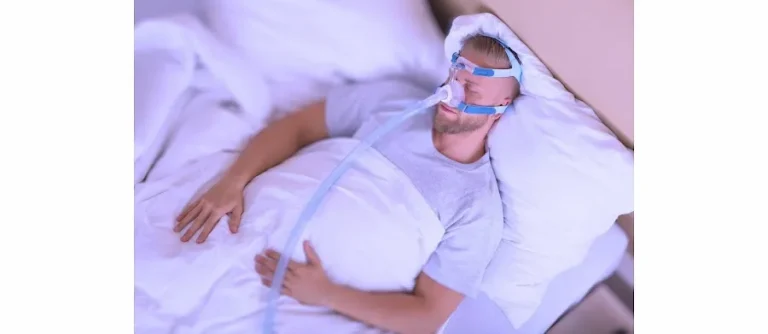
The results of your sleep study provide a clear path forward. If you are diagnosed with a sleep disorder, the specialist will recommend a treatment plan tailored to you. For sleep apnea, this often involves CPAP therapy, an oral appliance, or lifestyle modifications.
From Data to Diagnosis
Struggling with poor sleep without knowing why can be frustrating. A sleep study replaces uncertainty with concrete data. It provides a detailed, objective look at what’s happening in your brain and body while you sleep, allowing for an accurate diagnosis. This is the first and most important step toward effective treatment and finally getting the restorative sleep you need.
Getting a Clear Diagnosis
If you’re tired of being tired and suspect your sleep issues go beyond simple stress or bad habits, a professional evaluation may be necessary. A thorough diagnostic process can uncover the root cause of your sleep problems. To learn more about how a sleep study works, you can contact Vector Sleep Diagnostic Center at vectorsleep@gmail.com or call (718) 830-2800 for information on the evaluation process.