
Restless Leg Syndrome Care in Rego Park, Queens
Restless legs syndrome (RLS) is a neurological condition that causes uncomfortable sensations in the legs and an irresistible urge to move them, especially at night. At Vector Sleep Diagnostic Center in Rego Park, Queens, board-certified neurologist and sleep medicine specialist Dr. Dmitriy Kolesnik, MD diagnoses and treats RLS and related sleep disorders.
For more information about RLS care or to schedule an appointment, please call us at +1 718-830-2800. Our sleep specialists are dedicated to helping you find the right solutions for your unique needs.
What Is Restless Leg Syndrome?
Restless Leg Syndrome (Willis-Ekbom Disease) is a sensorimotor disorder characterized by an overwhelming urge to move the legs, typically triggered by rest or inactivity and relieved by movement. Symptoms most often appear or worsen in the evening and nighttime hours, making it one of the most common causes of sleep-onset insomnia.
Common Symptoms of RLS
- Crawling, creeping, or aching sensations in the legs
- Symptoms that worsen at rest and improve with movement
- Involuntary leg jerking during sleep (periodic limb movement disorder)
- Difficulty falling or staying asleep due to leg discomfort
- Daytime fatigue from disrupted nighttime sleep
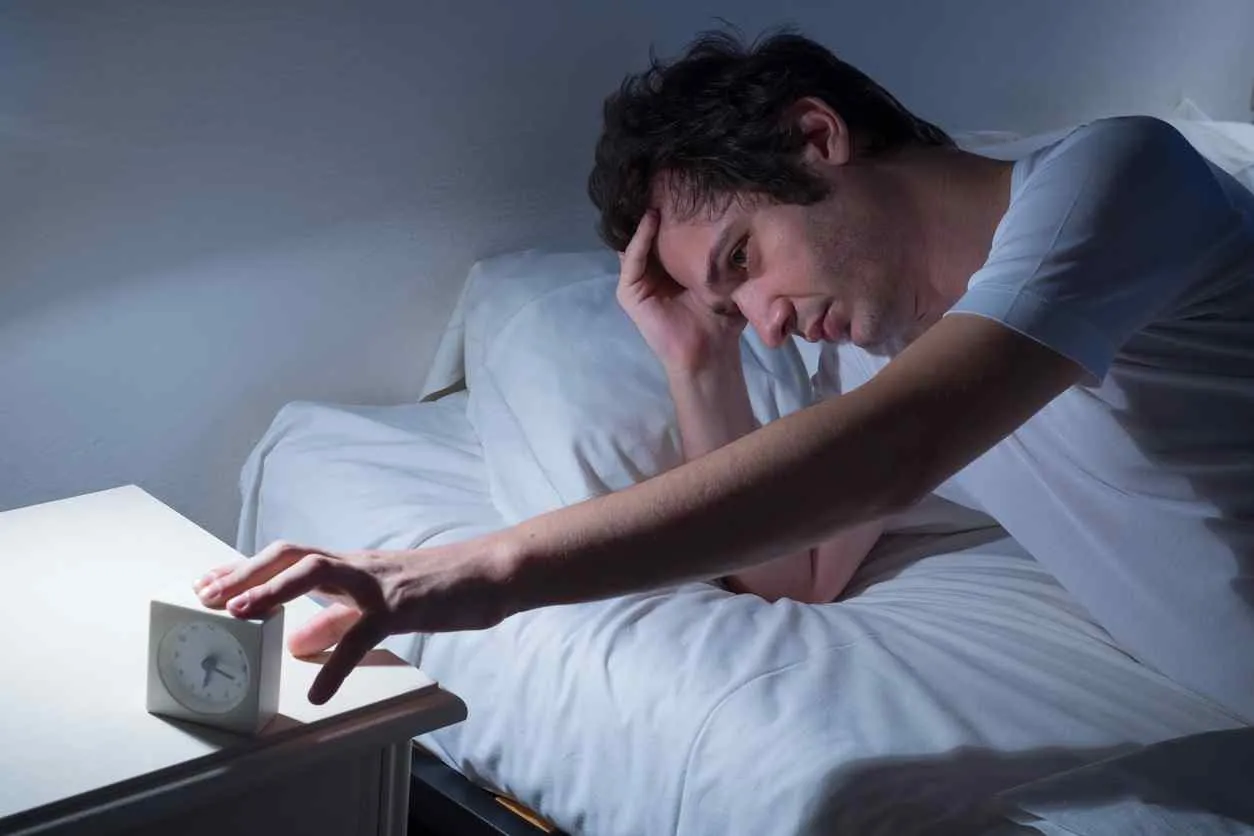
Symptoms most often appear or worsen in the evening, so many people first notice RLS as trouble falling asleep. A clear diagnosis separates RLS from other causes of leg discomfort and broken sleep.
How We Diagnose RLS at Vector Sleep Diagnostic Center
RLS is primarily a clinical diagnosis based on your symptom history and a thorough neurological examination by Dr. Kolesnik. When periodic limb movements during sleep are suspected, a polysomnography (overnight sleep study) may be ordered to quantify limb movement frequency and assess the impact on sleep architecture.
Diagnostic Process
- Clinical evaluation: Detailed review of symptom onset, frequency, severity, and family history
- Blood work: Iron, ferritin, and B12 levels. Iron deficiency is a leading secondary cause of RLS
- Overnight sleep study (PSG): Measures periodic limb movements and their effect on sleep quality when indicated
- Neurological assessment: Rules out peripheral neuropathy and other conditions that can mimic RLS
RLS Treatment Options at Vector Sleep Diagnostic Center
Treatment is individualized to severity, underlying causes, and any coexisting sleep disorders. Dr. Kolesnik develops a personalized plan that may include:
Non-Medication Approaches
- Iron supplementation for deficiency-related RLS
- Sleep hygiene optimization and a consistent sleep schedule
- Regular moderate-intensity aerobic exercise
- Leg massage, warm or cool compresses before bedtime, and questions about alternative therapies for RLS
- Avoidance of caffeine, alcohol, and medications that can worsen sleep disorders, including antihistamines that worsen symptoms
Medication-Based Treatment
- Dopaminergic agents: First-line pharmacologic therapy for moderate-to-severe RLS
- Alpha-2-delta calcium channel ligands (gabapentinoids): Preferred for RLS with concurrent insomnia or pain
- Benzodiazepine receptor agonists: Used to improve sleep continuity when limb movements are prominent
- Opioids: Reserved for refractory cases under specialist supervision
Related Services at Vector Sleep Diagnostic Center
RLS often coexists with other sleep disorders. Our center provides comprehensive evaluation and treatment for related concerns, including mindfulness techniques for sleep quality when patients ask about meditation for restless legs.
- Overnight Sleep Studies (Polysomnography), quantifies periodic limb movements and sleep disruption
- Specialized Sleep Evaluations, for complex or treatment-resistant cases including narcolepsy and hypopnea
- Sleep Apnea Care, RLS and sleep apnea frequently coexist
Why Choose Vector Sleep Diagnostic Center for RLS Treatment
- Board-certified neurologist and sleep specialist: Dr. Kolesnik holds dual ABPN certifications in Neurology and Sleep Medicine
- Clinical Instructor, Weill Cornell Medical College since 2012: academic foundation in sleep neurology
- Hospital affiliation: NewYork-Presbyterian Queens (Weill Cornell Medicine affiliate)
- Rego Park location: Conveniently accessible from Queens, Jackson Heights, Forest Hills, and surrounding neighborhoods
- Comprehensive evaluation: RLS evaluated within the full context of your sleep health
Frequently Asked Questions
What does restless legs syndrome feel like?
Most people describe crawling, creeping, or aching sensations in the legs and an urge to move them that gets worse at rest and better with movement, usually in the evening and at night.
How is RLS diagnosed?
RLS is mainly a clinical diagnosis based on your symptom history and a neurological examination by Dr. Kolesnik. Blood work for iron, ferritin and B12 is common, and an overnight sleep study may be ordered when periodic limb movements during sleep are suspected.
Can low iron cause restless legs?
Yes. Iron deficiency is a leading secondary cause of RLS, which is why iron and ferritin levels are checked, and iron supplementation is used when a deficiency is found.
What treatments are available for RLS?
Treatment is individualized. It can include iron supplementation, sleep hygiene, regular moderate exercise, avoiding caffeine, alcohol and some antihistamines, and, for moderate to severe cases, medication chosen by Dr. Kolesnik.
Do RLS and sleep apnea occur together?
They frequently coexist, which is why RLS is evaluated within the full context of your sleep health and a sleep study is sometimes part of the workup.
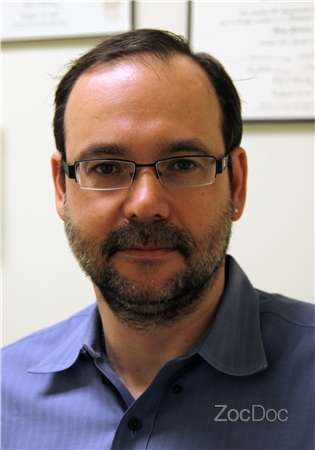
MEDICALLY REVIEWED BY
Board-Certified Neurologist & Sleep Medicine Specialist · Medical Director, Vector Sleep Diagnostic Center