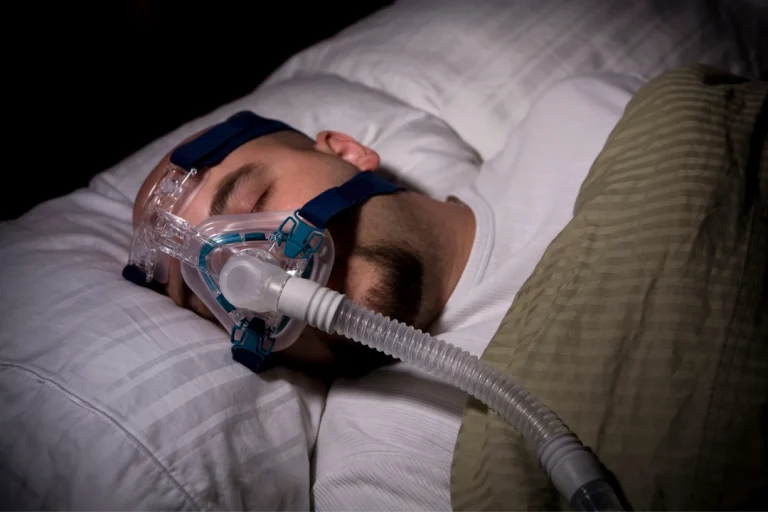
How Untreated Sleep Issues Affect Focus, Mood, and Daily Life

Untreated sleep problems significantly impair cognitive function, emotional regulation, and physical health, creating a cascade of negative effects that touch every aspect of daily living. When sleep disorders go unaddressed, people experience reduced concentration, mood swings, decreased productivity, and increased risk of serious health conditions. The impact extends beyond individual suffering to affect relationships, work performance, and overall quality of life. This comprehensive examination explores the various dimensions of how sleep disruption interferes with normal functioning and why seeking proper diagnosis and treatment remains essential.
The Direct Impact on Cognitive Performance
Sleep deprivation fundamentally alters brain function, particularly affecting areas responsible for attention, decision-making, and memory consolidation. Research from Harvard Medical School demonstrates that even one night of poor sleep can reduce attention span by up to 32%, making it difficult to maintain focus on tasks or conversations.
The prefrontal cortex, which governs executive functions, shows decreased activity when sleep is insufficient. This leads to:
- Slower reaction times and reduced accuracy
- Difficulty filtering distractions
- Impaired problem-solving abilities
- Poor working memory performance
- Decreased creativity and innovative thinking
A study published by the National Sleep Foundation found that adults who sleep fewer than six hours per night perform similarly on cognitive tests to people who have been awake for 24 hours straight.
Mood Regulation and Emotional Stability
The connection between sleep and mood operates through multiple biological mechanisms. Sleep disruption affects neurotransmitter systems, particularly serotonin and dopamine, which directly influence emotional states. Without adequate sleep, the amygdala, the brain’s emotional processing center becomes hyperactive while prefrontal regulation weakens.
This imbalance creates predictable patterns of emotional disturbance:
- Increased irritability and short temper
- Heightened anxiety and worry
- Depressive symptoms and low motivation
- Emotional volatility and overreactions
- Reduced ability to cope with stress
Over time, chronic sleep issues can contribute to the development of clinical mood disorders. According to research from Johns Hopkins Medicine, people with insomnia are five times more likely to develop depression, and those with depression often experience sleep problems creating a challenging cycle where each condition exacerbates the other.
Physical Health Consequences
The physical toll of untreated sleep issues extends far beyond feeling tired. Sleep deprivation disrupts hormone regulation, metabolism, and immune function, creating systemic problems throughout the body. The relationship between insufficient sleep and chronic health conditions has been well-documented in medical literature.
Major health risks associated with chronic sleep problems include:
- Weight gain and obesity due to ghrelin and leptin imbalance
- Increased insulin resistance and type 2 diabetes risk
- Cardiovascular problems, including hypertension and heart disease
- Weakened immune system function
- Higher inflammation markers throughout the body
- Reduced pain tolerance
Research from the American Academy of Sleep Medicine indicates that sleeping fewer than six hours per night increases mortality risk by 12% compared to those who sleep 7-8 hours.
Productivity and Economic Impact
The economic consequences of untreated sleep disorders affect both individuals and society at large. Reduced productivity, increased workplace accidents, and higher healthcare costs create significant financial burdens.
Sleep Duration and Performance Metrics
| Hours of Sleep | Cognitive Performance Score | Productivity Impact | Safety Risk Level |
|---|---|---|---|
| 7-9 hours | 95-100% | Optimal | Low |
| 6-7 hours | 80-94% | Moderate reduction | Moderate |
| 5-6 hours | 60-79% | Significant reduction | High |
| <5 hours | Below 60% | Severely compromised | Very high |
These statistics illustrate how quickly performance deteriorates as sleep duration decreases. Beyond individual productivity, sleep deprivation contributes to serious workplace accidents, particularly in transportation, healthcare, and manufacturing sectors, where focus and quick reactions are critical.

Social and Relationship Effects
Sleep problems don’t stay contained within the individual experiencing them. Family members, partners, and colleagues feel the ripple effects of irritability, reduced emotional availability, and social withdrawal. The combination of mood instability and diminished patience creates tension in personal relationships that can lead to long-term damage if not addressed.
Common relationship challenges include:
- Increased arguments and conflicts
- Reduced intimacy and connection
- Social withdrawal and isolation
- Decreased participation in family activities
- Emotional distance and detachment
Children of parents with untreated sleep disorders may experience inconsistent parenting and emotional availability, affecting their own development and sense of security.
Things to Consider Before Making a Decision
Recognizing when professional help is needed requires self-awareness and often input from others. Several factors should prompt consideration of sleep evaluation:
- Persistent symptoms lasting more than three weeks despite improved sleep hygiene
- Daytime sleepiness interfering with work or driving safety
- Morning headaches or dry mouth indicate possible sleep apnea
- Witnessed breathing pauses during sleep
- Consistent difficulty falling asleep or staying asleep
- Mood changes that correlate with sleep patterns
The decision to seek professional evaluation should also consider whether symptoms are affecting work performance, relationships, or overall quality of life. Early intervention often prevents more serious complications from developing.
Bonus Tips
Before seeking professional evaluation, track sleep patterns for two weeks using a sleep diary or wearable device. Document bedtime, wake time, nighttime awakenings, and daytime energy levels. Bring this information to any medical consultation, objective data helps with accurate diagnosis.
Consider that sleep issues can have multiple causes. Sometimes addressing one factor, like room temperature or screen time before bed, provides partial relief even while other issues require professional treatment.
Moving Forward with Better Sleep
The effects of untreated sleep issues compound over time, making early intervention critical for preventing long-term consequences. Recognizing symptoms and seeking professional evaluation can prevent the cascade of cognitive, emotional, and physical problems that accompany chronic sleep disorders. Effective treatment options exist for most sleep problems, and improvements in sleep quality translate to better function across all life domains.
Anyone experiencing persistent sleep difficulties should consider a comprehensive evaluation rather than continuing to struggle with inadequate rest. The benefits of addressing sleep problems extend far beyond feeling less tired they include better emotional regulation, improved cognitive performance, enhanced physical health, and stronger relationships.
Get a Professional Sleep Assessment
For those experiencing ongoing sleep problems, professional evaluation can identify underlying causes and effective treatments. Vector Sleep Diagnostic Center offers comprehensive sleep assessments to diagnose and treat various sleep disorders. Contact vectorsleep@gmail.com or call +1 718-830-2800 to schedule an evaluation with sleep medicine specialists. Taking this step represents an investment in overall health and quality of life that pays dividends across all areas of daily functioning.
FAQS
What’s the difference between tiredness and sleep deprivation?
Tiredness typically resolves with adequate rest, while sleep deprivation creates cumulative deficits that can’t be fixed with one good night of sleep. Chronic sleep deprivation requires consistent, adequate sleep over time for recovery.
Can caffeine or stimulants compensate for poor sleep?
While stimulants may temporarily improve alertness, they cannot restore the specific cognitive functions affected by sleep deprivation. Additionally, they often disrupt subsequent sleep quality, creating a negative cycle.
How quickly does cognitive function improve after treatment?
Many people experience significant improvement in mood and energy within days of beginning effective treatment. However, some cognitive functions may take weeks to months to fully recover, depending on the duration and severity of the sleep disorder.
Do sleep supplements really work?
Some supplements may help with mild, temporary sleep issues, but chronic sleep disorders typically require comprehensive evaluation and treatment. Over-the-counter solutions often don’t address underlying causes and may lose effectiveness over time.
Sources
- Harvard Medical School – Research on sleep’s impact on cognitive function and brain activity
- National Sleep Foundation – Statistics and research findings about sleep duration and performance
- American Academy of Sleep Medicine – Clinical guidelines and research on sleep disorders and health outcomes