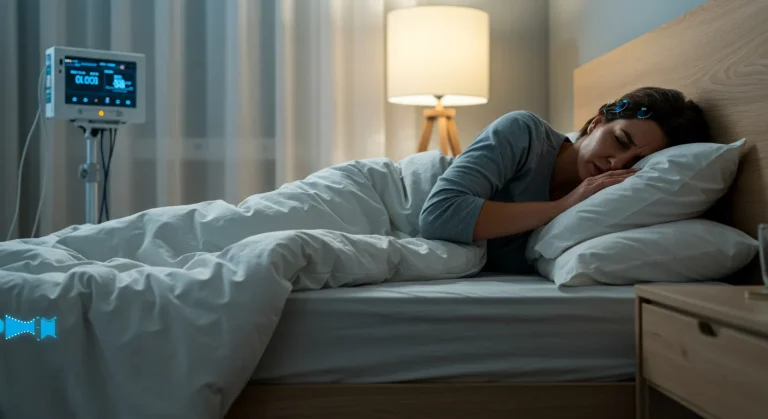
Top 7 Habits That Might Be Ruining Your Sleep and How to Fix Them

Many common daily habits are direct culprits for poor sleep quality. The most frequent offenders include maintaining an inconsistent sleep schedule, using electronic devices before bed, consuming caffeine or alcohol too late in the day, and eating heavy meals close to bedtime. Other significant factors are the lack of a relaxing pre-sleep routine, a bedroom environment that isn’t optimized for rest, and unmanaged stress. Addressing these seven areas can substantially improve how quickly you fall asleep and how rested you feel upon waking.
This guide breaks down each of these habits, explaining the science behind why they disrupt your sleep and offering practical, straightforward solutions you can implement tonight. With a clear understanding of sleep mechanics, you can make targeted changes that lead to better rest. The information presented here is based on established sleep science and clinical observations of common patient challenges.
The 7 Sleep-Disrupting Habits and Their Solutions
Each of these habits can interfere with your body’s natural sleep-wake cycle, known as the circadian rhythm. By identifying and correcting them, you can restore this internal clock.
1. An Inconsistent Sleep Schedule
Going to bed and waking up at different times every day, especially on weekends, confuses your body’s internal clock. This can lead to difficulty falling asleep on Sunday night and feeling groggy on Monday morning. Your body thrives on routine, and a consistent sleep schedule reinforces a strong circadian rhythm.
The Fix: Aim to go to bed and wake up within the same one-hour window every day, including weekends. This consistency is one of the most effective ways to improve your sleep quality over time.
- Bonus Tip: If you need to adjust your sleep schedule, do it gradually. Shift your bedtime and wake-up time by 15 to 20 minutes every few days until you reach your new target. This gentle transition helps your body adapt without causing major disruption.
2. Screen Time Before Bed
The blue light emitted from phones, tablets, and computers is particularly disruptive to sleep. Research from the National Institutes of Health shows that it suppresses the production of melatonin, the hormone that tells your body it’s time to sleep. This can delay sleep onset and reduce overall sleep quality.
The Fix: Create a “digital curfew” by putting away all electronic devices at least 60 to 90 minutes before your intended bedtime. Use this time for screen-free activities that help you relax.
3. Late-Night Caffeine and Alcohol
Caffeine is a stimulant with a long half-life, meaning it can stay in your system for hours and make it difficult to fall asleep. While alcohol might make you feel drowsy initially, it fragments sleep later in the night, especially during the second half. It often suppresses REM sleep, which is essential for memory consolidation and emotional regulation.
The Fix: Stop consuming caffeine at least six to eight hours before bed. If you choose to drink alcohol, do so in moderation and try to finish your last drink at least three hours before you plan to sleep.
Caffeine vs. Alcohol: How They Affect Sleep Stages
| Substance | Effect on Falling Asleep | Effect on Sleep Quality |
|---|---|---|
| Caffeine | Delays sleep onset; makes it harder to fall asleep. | Reduces deep sleep; can cause more frequent awakenings. |
| Alcohol | May speed up sleep onset initially. | Disrupts REM sleep; leads to fragmented, non-restorative sleep. |
4. Heavy Meals or Spicy Foods Too Close to Bedtime
Eating a large meal right before bed can cause indigestion, acid reflux, and general discomfort that keeps you awake. The digestive process requires energy and can raise your body’s core temperature slightly, which is the opposite of what should happen for sleep. Spicy or acidic foods can be particularly problematic for some people.
The Fix: Eat your last main meal two to three hours before bed. If you’re hungry later in the evening, opt for a small, light snack like a banana or a handful of almonds.
5. No Wind-Down Routine
You can’t expect your brain to switch from high-gear to off in an instant. A wind-down routine signals to your body that it’s time to prepare for sleep. It helps you transition from the stress and stimulation of the day to a state of calm and relaxation.
The Fix: Create a consistent 30 to 60-minute routine filled with calming activities. This could include reading a physical book, listening to quiet music, gentle stretching, taking a warm bath, or meditation. The key is to choose activities you find genuinely relaxing.
6. A Poor Bedroom Environment
Your bedroom should be a sanctuary for sleep, but common issues like too much light, noise, or an uncomfortable temperature can interfere. According to the Sleep Foundation, the ideal room temperature for sleep is around 65 degrees Fahrenheit (18.3 degrees Celsius).
The Fix: Optimize your bedroom by making it cool, dark, and quiet. Use blackout curtains to block outside light, consider earplugs or a white noise machine to mask sounds, and set your thermostat to a cool, comfortable temperature.
- Regional Guidance: In areas with hot, humid summers, like New York City, keeping a bedroom cool and dark can be a challenge. Using an air conditioner to control both temperature and humidity is often necessary. Blackout curtains are also very helpful for blocking out long summer daylight hours and streetlights.
7. Letting Stress Go Unchecked
A racing mind is one of the biggest obstacles to sleep. When you’re stressed, your body produces more cortisol, a hormone that promotes alertness. Lying in bed worrying about your to-do list or replaying stressful events from the day will keep you awake.
The Fix: Dedicate time earlier in the evening to process your thoughts. Try journaling for 10-15 minutes to write down whatever is on your mind. You can also practice mindfulness exercises or guided meditation to calm your nervous system before getting into bed.

Things to Consider Before Making a Decision
Before you overhaul your entire routine, take a moment to assess your specific situation.
- Identify Your Main Problem: Keep a simple sleep diary for a week. Note when you go to bed, when you wake up, and how you feel. This can help you spot patterns and identify which of these habits is affecting you the most.
- Start Small: Don’t try to fix all seven habits at once. Pick one or two that seem most relevant to you and focus on them for a couple of weeks. Once those become second nature, you can work on another.
- Listen to Your Body: The “rules” for sleep are guidelines, not laws. The goal is to find what works best for you. Some people are more sensitive to caffeine than others, while some might not be bothered by a little light. Pay attention to how different changes make you feel.
Common Questions
Is it bad to nap during the day?
Short naps of 20-30 minutes can be beneficial, but long or late-afternoon naps can interfere with nighttime sleep. If you nap, try to do it before 3 p.m.
Does exercise late at night affect sleep?
For most people, exercising at any time of day is better than not exercising at all. However, intense exercise too close to bedtime can raise your heart rate and body temperature, making it harder for some people to fall asleep. If this affects you, schedule workouts earlier in the day.
Can “catching up” on sleep on weekends fix the problem?
While sleeping in can help you repay some of your sleep debt, it doesn’t fully erase the effects of weekday sleep loss. It also reinforces an inconsistent sleep schedule, making it harder to wake up on Monday. Consistency is always the better long-term strategy.
Answering Your Sleep Questions
How long does it take to fix a bad sleep habit?
It typically takes a few weeks of consistency to form a new habit and see real improvements in your sleep. Be patient and stick with the changes. The first few nights might be difficult, but your body will adapt.
Can certain foods help me sleep better?
Yes, some foods contain nutrients that can promote sleep. Foods rich in magnesium (like almonds and spinach), tryptophan (like turkey and oats), and melatonin (like tart cherries) can be helpful as part of a balanced diet.
Is it okay to use my phone in “night mode”?
While “night mode” or blue-light-filtering apps reduce the amount of disruptive blue light, they don’t eliminate the problem. The mental stimulation from checking emails or scrolling through social media can still keep your brain active and delay sleep. It’s best to put the phone away entirely.
What if I wake up in the middle of the night and can’t get back to sleep?
If you’re awake for more than 20 minutes, get out of bed. Go to another room and do a quiet, relaxing activity, like reading under dim light, until you feel sleepy again. Lying in bed feeling frustrated will only make it harder to fall back asleep.
Why do I feel tired even after 8 hours of sleep?
If you’re practicing good sleep habits but still feel exhausted, it could point to an underlying issue like sleep apnea, restless legs syndrome, or another medical condition. Consistently feeling tired despite getting enough hours of sleep is a sign that it might be time to seek a professional evaluation.
Taking Control of Your Sleep
Good sleep doesn’t just happen by chance; it’s the result of good habits. By being mindful of your daily routines, from your morning coffee to your evening screen time, you can create the right conditions for restful, restorative sleep. Start by making small, sustainable changes and pay attention to how your body responds. Over time, these conscious choices will build a strong foundation for better health and well-being.
When Professional Guidance is Needed
If you’ve addressed these common habits and still struggle with sleep, a more specific issue may be at play. Persistent difficulties falling asleep, staying asleep, or daytime sleepiness warrant a closer look. For complex sleep issues, a comprehensive evaluation at a facility like Vector Sleep Diagnostic Center can provide clarity. An assessment can help identify underlying conditions that lifestyle changes alone cannot solve. You can start a conversation by reaching out to vectorsleep@gmail.com or calling (718) 830-2800 to understand the diagnostic process.