
Daytime Sleepiness Explained: Causes Most People Miss

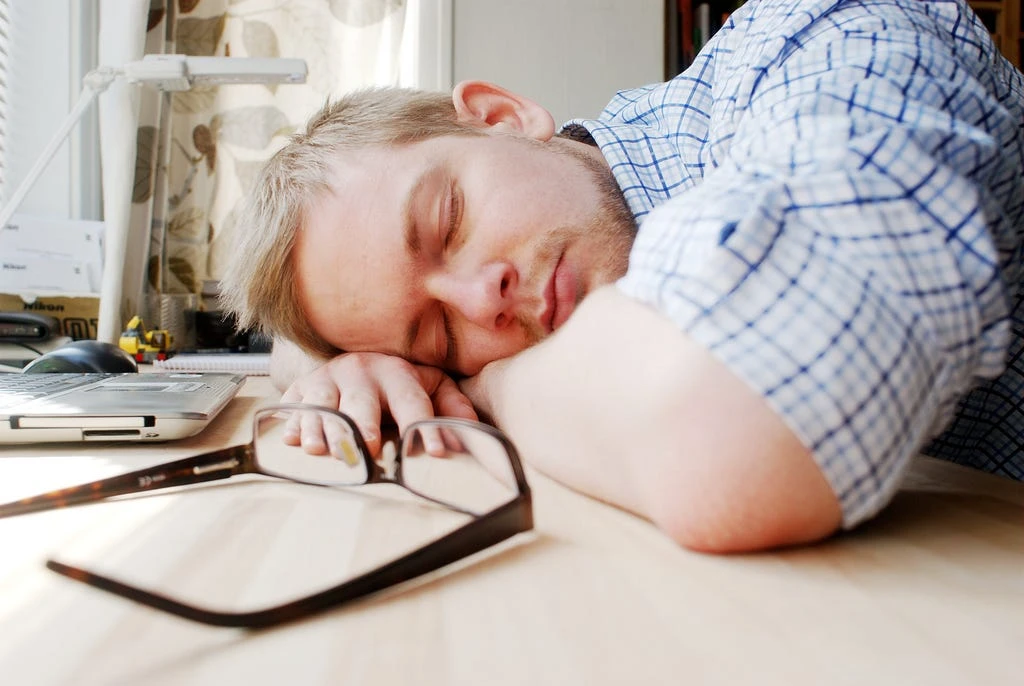
Daytime sleepiness typically stems from disrupted sleep quality, underlying medical conditions, or lifestyle factors that most people overlook. While insufficient sleep duration is an obvious cause, hidden culprits include sleep apnea, poor sleep environment, medication side effects, and circadian rhythm disruptions that many dismiss as normal fatigue.
This article breaks down the surprising causes of daytime drowsiness that often escape detection, providing practical insights from years of clinical observation. Understanding these overlooked factors can help identify the real reason behind persistent fatigue and guide appropriate solutions.
The Hidden Impact of Sleep Disorders
Sleep disorders represent the most frequently missed causes of excessive daytime sleepiness. Obstructive sleep apnea affects an estimated 25 million American adults, yet up to 80% of cases remain undiagnosed. This condition causes breathing to repeatedly stop and start during sleep, preventing restorative rest regardless of how many hours someone spends in bed.
According to the American Academy of Sleep Medicine, about 70% of Americans report they lose sleep at least one night per month, with 11% losing sleep every night. However, the connection between these sleep disruptions and next-day fatigue often goes unrecognized.
Periodic limb movement disorder and restless legs syndrome also disrupt sleep architecture without the person realizing it. These conditions cause involuntary movements that fragment sleep, leading to daytime sleepiness despite seemingly adequate sleep duration.
Environmental and Lifestyle Factors
Your sleep environment plays a crucial role in sleep quality that many underestimate. Even subtle disturbances can significantly impact restorative sleep.
Table: Sleep Quality Disruptors and Their Effects
| Disruptor | Impact on Sleep | Common Overlooked Signs |
|---|---|---|
| Room Temperature Above 67°F | Increases nighttime awakenings | Kicking off covers, night sweats |
| Blue Light Exposure 1 Hour Before Bed | Delays melatonin release | Taking longer than 30 minutes to fall asleep |
| Inconsistent Sleep Schedule | Confuses the circadian rhythm | Weekend sleep “hangovers.” |
| Caffeine After 2 PM | Reduces deep sleep by 15-20% | Waking up unrefreshed despite 8 hours |
Bonus Tip: Keep your bedroom between 60-67°F and maintain the same bedtime within 30 minutes every day, including weekends. This consistency often resolves mild daytime sleepiness without medical intervention.
Diet choices also influence daytime alertness. High-carbohydrate lunches trigger post-meal drowsiness through rapid spikes and crashes in blood sugar. Many people mistake this normal physiological response for chronic sleep problems.
Medication and Health Condition Interactions
Numerous common medications can cause significant daytime sleepiness that patients rarely attribute to their prescriptions. Antihistamines, blood pressure medications, antidepressants, and muscle relaxants frequently have sedating effects.
A comprehensive sleep evaluation should always include a medication review. Vector Sleep Diagnostic Center has found that adjusting medication timing or switching alternatives can resolve daytime sleepiness in up to 15% of cases without additional treatment.
Medical conditions beyond sleep disorders contribute to fatigue. Hypothyroidism, anemia, vitamin deficiencies, and chronic inflammation all manifest as daytime sleepiness. Many patients undergo sleep studies when blood work would have revealed the underlying cause.
Things to Consider Before Making a Decision
Before pursuing sleep testing or major lifestyle changes, evaluate these key factors:
Track your sleep patterns for two weeks using a simple journal or app. Note bedtime, wake time, nighttime awakenings, and daily energy levels. This baseline data often reveals patterns you hadn’t noticed.
Review your current medications with your primary care provider, focusing on timing and potential sedating effects. Sometimes switching when you take a medication makes the difference.
Assess your sleep environment honestly. Are there street lights, noise disruptions, or temperature fluctuations? Small environmental fixes sometimes resolve major sleep issues.
Consider your work schedule. Shift work, especially rotating shifts, severely disrupts circadian rhythms. Your biological clock might need professional resetting rather than assuming you have a sleep disorder.
Regional and Seasonal Considerations
Living in northern latitudes introduces unique challenges to sleep and daytime alertness. Reduced winter sunlight disrupts vitamin D production and circadian rhythms, often resulting in increased daytime sleepiness. Vector Sleep Diagnostic Center sees a 30% increase in winter appointments for fatigue-related complaints.
Seasonal affective disorder frequently manifests primarily as excessive daytime sleepiness rather than mood symptoms. Many patients don’t connect their increased fatigue to seasonal changes until explicitly asked about seasonal patterns.
High humidity regions can worsen sleep-disordered breathing. Warm, moist air increases upper airway resistance, potentially unmasking or worsening sleep apnea during summer months. If your daytime sleepiness worsens seasonally, climate control and air quality management should be investigated.
Bonus Tips for Managing Daytime Fatigue
Morning sunlight exposure for 10-15 minutes within an hour of waking helps regulate your circadian rhythm. This simple habit improves daytime alertness and nighttime sleep quality.
Stay hydrated, but stop liquid intake 2 hours before bedtime. Dehydration causes fatigue, while nighttime trips to the bathroom disrupt sleep architecture.
Strategic caffeine consumption works better than constant intake. Use caffeine only when necessary and before 2 PM to avoid sleep cycle interference.
What This Means for Your Health
Daytime sleepiness should never be dismissed as normal or something to “power through.” Understanding the various causes helps identify whether your fatigue stems from lifestyle factors, environmental issues, medical conditions, or sleep disorders requiring professional intervention.
The first step is honestly assessing your sleep patterns, environment, and daily habits. If basic adjustments don’t resolve persistent daytime sleepiness, seeking professional evaluation through a sleep center can identify underlying issues that simple lifestyle changes cannot fix.
Get Professional Sleep Assessment
Persistent daytime sleepiness affects your health, safety, and quality of life. Vector Sleep Diagnostic Center offers comprehensive sleep evaluations to identify the specific causes of your fatigue. Contact us at vectorsleep@gmail.com or call +1 718-830-2800 to schedule a consultation. Professional assessment can distinguish between simple lifestyle factors and serious sleep disorders requiring medical intervention.
Frequently Asked Questions
How do I know if my daytime sleepiness requires medical evaluation?
If daytime sleepiness persists for more than two weeks despite adequate sleep opportunity, affects your daily functioning, or involves falling asleep during activities like driving or conversations, medical evaluation is warranted.
Can stress cause daytime sleepiness?
Chronic stress significantly impacts sleep quality through cortisol disruption and anxiety, often causing daytime fatigue. However, stress and clinical sleep disorders can coexist, so persistent symptoms deserve professional assessment.
Why do I feel sleepy in meetings but not when working alone?
Sedentary situations and warm environments trigger sleepiness more than active engagement. This normal response becomes concerning when it happens regardless of activity level or environmental conditions.
Are home sleep tests accurate for diagnosing sleep apnea?
Home sleep tests effectively detect moderate to severe sleep apnea but can miss mild cases or other sleep disorders. In-lab studies remain the gold standard for comprehensive sleep evaluation.
Sources
- American Academy of Sleep Medicine – Professional medical society dedicated to sleep medicine and research, providing clinical guidelines and sleep disorder statistics